Understanding Your German Spitz's Coat: What Every Owner Should Know
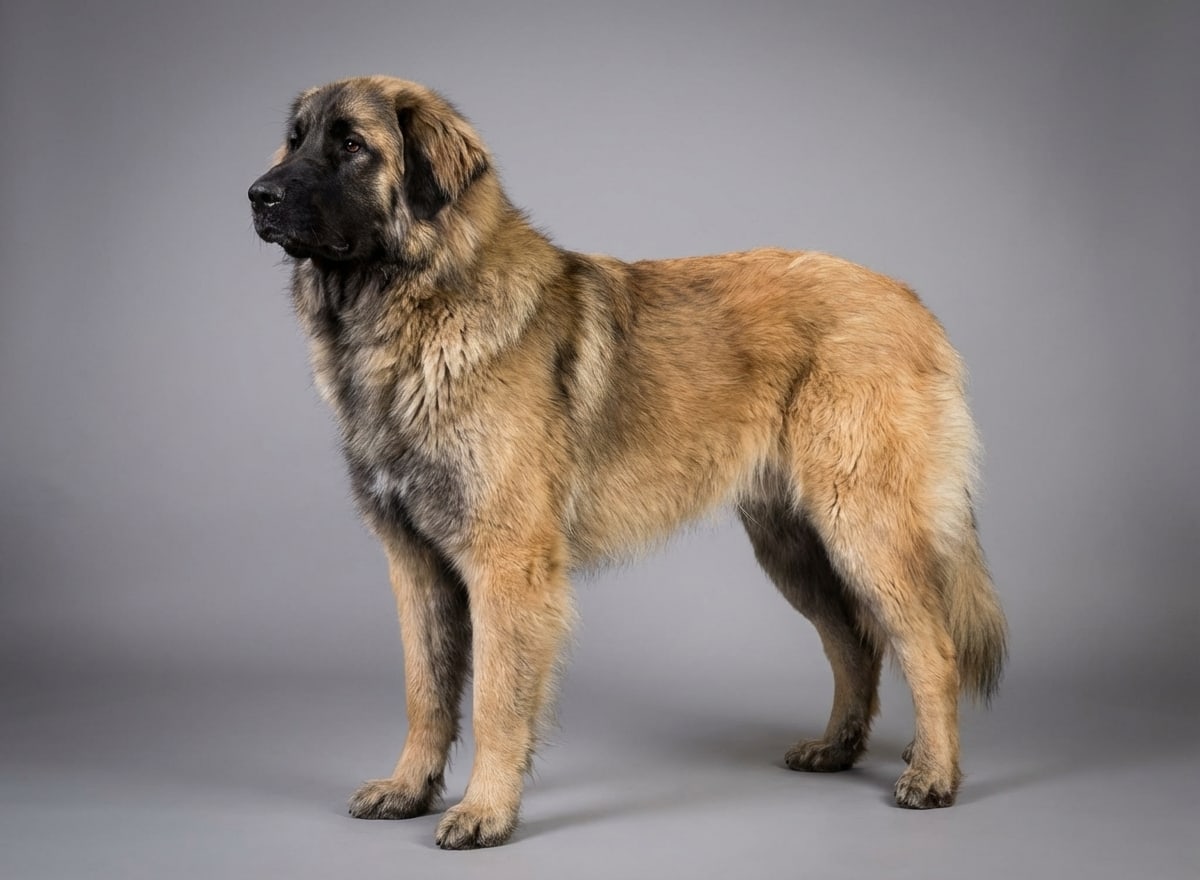
Understanding Your German Spitz's Coat: What Every Owner Should Know
The German Spitz carries one of the oldest coat types in domestic dogs. Archaeological evidence suggests Spitz-type dogs with double coats similar to today's German Spitz existed in Central Europe over 6,000 years ago. That is thousands of years of evolutionary refinement producing a coat perfectly adapted to harsh Continental climates.
Understanding this coat helps you care for it properly and appreciate why certain grooming practices protect its function while others destroy it.
The Double Coat System
The German Spitz coat operates as a two-layer environmental suit:
The Outer Coat (Guard Hairs): Long, straight, and stand-off. These hairs grow outward from the body rather than lying flat, creating the breed's characteristic full, rounded silhouette. The texture is firm and slightly harsh -- not silky like a Setter or wiry like a Terrier, but somewhere in between. Each guard hair has a hard outer cuticle that repels water and sheds surface dirt.
The length varies by body region. Guard hairs are longest on the ruff (mane), tail plume, and backs of the thighs (culottes). They are shortest on the face, ears, and front of the legs. This natural variation creates the breed's distinctive outline without any trimming.
The Undercoat: Short, dense, soft, and cotton-like. This layer provides thermal insulation by trapping air close to the body. A properly maintained undercoat creates an air barrier that keeps the dog warm in winter and, counterintuitively, helps regulate temperature in summer.
The density of the undercoat varies seasonally. It thickens in late fall in response to decreasing daylight (a photoperiod response, not a temperature response) and thins in spring when increasing daylight triggers the coat blow. Research on Spitz-type breeds shows that coat density changes are primarily triggered by light exposure duration, which is why indoor dogs with artificial lighting may have less predictable coat blow schedules.
The Ruff: The German Spitz's Crown
The ruff is the most striking feature of the German Spitz coat. This mane of longer, denser hair encircles the neck and extends across the upper chest, creating a frame around the face. In well-coated dogs, the ruff stands out prominently from the body, giving the head a lion-like appearance.
Males typically develop a more profuse ruff than females -- one of the few external sex differences in the breed. A mature male German Spitz in full coat can have a ruff that extends 3-4 inches beyond the body outline.
The ruff is also the most grooming-intensive area. The junction between ruff hair and body hair creates a natural friction zone where mats form. Additionally, collars and harnesses compress the ruff, accelerating mat formation underneath. If your German Spitz wears a collar daily, expect to spend extra time brushing the ruff area.
Color Varieties and Coat Behavior
German Spitz come in a range of colors, and coat behavior varies somewhat by color:
White: Tends toward a slightly softer texture than darker colors. More prone to staining from tears, saliva, and environmental factors. May appear slightly less voluminous because softer hair does not stand off the body as dramatically.
Black: Often has the harshest, most stand-off texture. Black coats show less staining but show dust and dandruff more readily. The undercoat may appear grayish, which is normal -- it is lighter than the outer coat.
Brown (Chocolate): Similar texture to black. Brown coats can fade in sunlight, developing reddish or orange tones over time. This fading is cosmetic and does not indicate a health problem.
Orange/Red: One of the most common colors. The coat texture is typically medium -- between the harshness of black and the softness of white. Orange coats may darken or lighten with age, and the tips of the guard hairs are often darker (sabling) than the base.
Wolf Gray (Sable): Each guard hair has multiple color bands, creating a distinctive shaded pattern. The coat texture tends to be on the harsher side, similar to black.
Cream: Similar to white in texture (slightly soft) but without the pure white staining concerns. Cream coats can darken slightly in areas of friction or sun exposure.
The Coat Blow: Understanding the Big Shed
Twice a year, the German Spitz undercoat releases in a process that breed enthusiasts call "blowing coat." Understanding this process helps you manage it rather than panic through it.
What Triggers It: Primarily photoperiod (day length changes), though temperature shifts and hormonal factors also play a role. Spayed and neutered dogs may have slightly altered coat blow schedules compared to intact dogs.
How It Progresses: The coat blow starts with loose tufts of undercoat appearing at the surface. Over 2-4 weeks, progressively more undercoat releases. Peak shedding typically lasts 1-2 weeks. The ruff, thighs, and tail area usually blow first, followed by the body.
Volume: A German Spitz in full coat blow can produce enough loose undercoat to fill a large garbage bag. This is normal and does not indicate excessive shedding or a health problem.
Post-Blow Appearance: After the coat blow, your German Spitz will look noticeably thinner. The stand-off quality reduces because there is less undercoat supporting the guard hairs. This is temporary -- the new undercoat begins growing in immediately and typically fills back in within 6-8 weeks.
Home Grooming Protocol
Between professional visits, consistent home grooming keeps the German Spitz coat in optimal condition:
Frequency: 2-3 times per week during normal periods. Daily during coat blow.
Tools:
- Pin brush (primary maintenance tool)
- Undercoat rake (for deeper grooming and shedding season)
- Metal greyhound comb (for verification)
- Detangling spray (to prevent breakage)
Time: 15-25 minutes per session. A small investment for a coat this impressive.
Bathing Guidance
German Spitz should not be bathed frequently at home. The coat's natural oils maintain its water-resistant properties and proper texture. Over-bathing strips these oils, leading to a dry, dull coat.
Recommended frequency: Between professional grooming sessions, bathe only when genuinely dirty. Many German Spitz go 6-8 weeks between baths with only brushing maintenance.
Critical rule: Never bathe without brushing first. Water tightens existing tangles into firm mats. Always brush and comb through the entire coat before the coat gets wet.
Drying: If bathing at home, invest in a pet dryer. The undercoat retains moisture for hours after toweling. A damp undercoat develops musty odor and creates conditions for skin irritation.
Protecting the Coat Long-Term
The German Spitz coat is remarkably durable when properly maintained:
- Never shave or clip: The coat may not regrow properly. Texture changes and patchy growth can persist for years.
- Feed a quality diet: Omega-3 and omega-6 fatty acids support coat health. A diet with at least 25% protein maintains coat density.
- Manage parasites: Fleas cause scratching that damages coat and skin. Preventive treatment protects both.
- Limit sun exposure for light colors: Prolonged sun can fade and dry the outer coat on white, cream, and orange dogs.
---
Ready to streamline your grooming workflow? PawOps Board Manager helps salons track every German Spitz from check-in to pickup with real-time visibility. Start your free 30-day trial →
Related Reading: