Understanding Your Gordon Setter's Coat: What Every Owner Should Know
Understanding Your Gordon Setter's Coat: What Every Owner Should Know
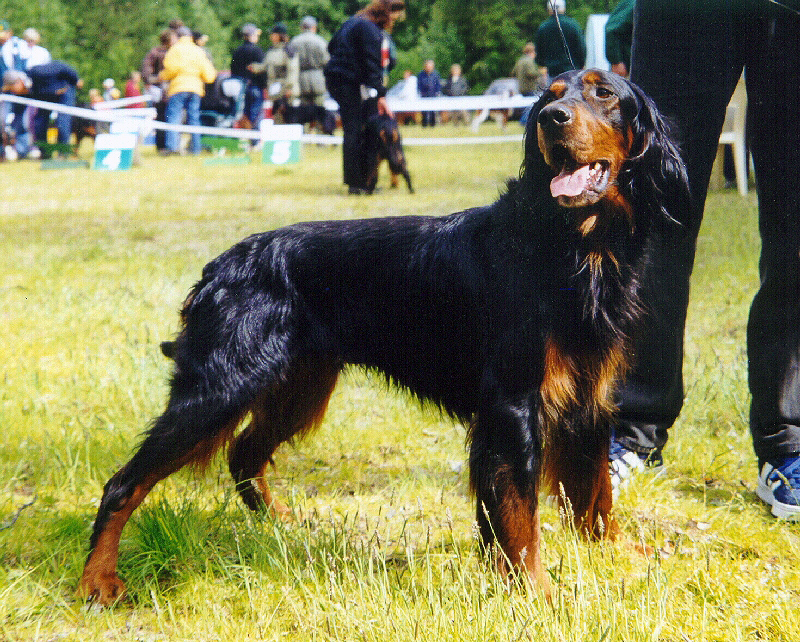
The Gordon Setter's coat is one of the most visually stunning in all of dogdom. That deep, coal-black base with rich mahogany tan markings, accented by flowing featherings — it's a coat that stops people in their tracks. But the gordon setter coat is more than just good looks. It's a working coat designed for function, and understanding its characteristics helps you care for it properly.
Coat Structure and Layers
The Gordon Setter has a moderately long double coat:
Outer coat: Medium to long, straight to slightly wavy. Soft and silky in texture — not the harsh wire of a terrier or the cotton of a Bedlington, but a refined, flowing hair that lies relatively flat on the body. The longer hair on the body transitions into even longer feathering on the ears, chest, belly, legs, and tail.
Undercoat: Moderate density, soft, and close to the skin. Denser in cold weather, lighter in warm weather. The undercoat provides insulation without the extreme density seen in Arctic breeds.
The Gordon's coat was developed for the Scottish Highlands — cold, wet, and rough. The outer coat repels moisture while the undercoat retains warmth. The featherings provided some protection to the legs and belly during work through thorny brush.
The Black and Tan: More Than Color
The Gordon Setter's coloring is its most recognizable feature:
- Base coat: Deep, rich black. The standard calls for "coal-black" without rustiness or browning.
- Tan markings: Rich chestnut or mahogany, appearing in specific locations:
The color pattern is genetically determined and shouldn't change significantly with age. However, coat maintenance does affect color appearance:
- Sun exposure can bleach the black coat to a brownish tint. Field dogs that spend extensive time in sunlight may develop a "rusty" cast that fades when the bleached coat is replaced by new growth.
- Proper grooming maintains the deep black sheen. A well-maintained Gordon Setter coat reflects light with a blue-black quality that's genuinely striking.
- Poor nutrition can dull both the black and tan, making the coat appear muddy or flat.
The Feathering System
Gordon Setter featherings are substantial and serve both aesthetic and functional purposes:
Ear featherings: Long, silky hair hanging from the ear leather. Beautiful but high-maintenance — these mat fastest because they lie against the neck and collect food, water, and debris.
Chest and belly fringe: A skirt of longer hair on the underside. This was protective in fieldwork, shielding the body from thorns and rough ground cover.
Leg featherings: Long hair on the backs of the front legs and the thighs ("pants" or "britches"). These are the most dramatic featherings on the Gordon and create the breed's characteristic flowing movement.
Tail feathering: A flag of hair on the underside of the tail, longest near the base and tapering toward the tip. When the Gordon moves, this tail feathering flows behind them like a banner.
Each feathering area has slightly different hair texture and growth rate, which is why grooming them requires attention to each zone rather than one-size-fits-all brushing.
Shedding Cycle
Gordon Setters shed moderately year-round with heavier shedding during seasonal transitions:
Spring: The heaviest shedding period. The winter undercoat loosens and sheds over 2-4 weeks. Increased brushing (daily) and a professional de-shedding treatment help manage the volume.
Fall: Moderate increase as the summer coat transitions to the denser winter configuration.
Year-round: Light but consistent shedding of both body coat and feathering hairs. Regular brushing manages this effectively.
Gordon Setter shed hair is medium-length, dark, and tends to clump rather than float. It shows prominently on light-colored furniture and clothing. The upside: it's easier to see and pick up than the tiny, embedded hairs from short-coated breeds.
According to shedding surveys conducted by breed clubs, Gordon Setter owners rate shedding as "moderate to heavy" — less than breeds like the German Shepherd or Husky, but more than breeds like the Poodle or Portuguese Water Dog.
Growth Rate and Coat Cycles
Gordon Setter hair grows at approximately 1/2 inch per month for the body coat and slightly faster for featherings. After a significant trim, expect:
- 2 weeks: New growth barely noticeable
- 4 weeks: Feathering edges starting to lose their trimmed shape
- 6 weeks: Body coat regaining fullness, featherings flowing again
- 8 weeks: Coat approaching pre-trim length, time for the next grooming
During the puppy-to-adult transition, the coat may look patchy or uneven. This is normal — it's not a grooming failure.
Home Maintenance Protocol
Here's the home care schedule that keeps a Gordon Setter coat in proper condition:
3-4 times weekly (15-20 minutes):
- Pin brush the body coat, working in the direction of hair growth
- Wide-tooth comb through all featherings, starting from the tips and working toward the skin
- Check the five prime matting zones: behind ears, armpits, pants, under ears, between toes
- Remove any debris caught in the coat
- Clean ears with a gentle solution
- Check nail length
- Run a slicker brush through the undercoat on the chest and hindquarters
- Remove burrs, seeds, and foxtails from featherings immediately (they work deeper over time)
- Check between toes for debris
- If the dog got wet, dry the ears and feathering areas
- Bath if needed (many Gordon Setters stay clean longer due to the outer coat's natural dirt-repelling properties)
- Trim paw pad hair
- Assess overall coat condition — is the black still glossy? Are the featherings in good shape?
Common Coat Issues and Solutions
Rusty black coat: Usually sun bleaching. Limit extended sun exposure or accept the field look. A color-enhancing shampoo can temporarily improve the black depth.
Persistent ear feathering mats: Switch to daily ear brushing. Consider a leave-in detangling spray. If mats keep forming, the ear featherings may need to be trimmed slightly shorter for manageability.
Thin or dull coat: Check nutrition first — omega-3 supplementation (fish oil) shows results in 6-8 weeks. Rule out thyroid issues with your vet if diet changes don't help.
Excessive shedding outside seasonal norms: Could indicate stress, allergies, hormonal changes, or nutritional deficiency. Worth a vet check if it persists.
The Gordon Setter's coat is a masterpiece of breed development — functional, beautiful, and distinctly the breed's own. Understand its structure, respect its maintenance needs, and that stunning black-and-tan coat will reward you with a lifetime of turning heads.
---
Ready to streamline your grooming workflow? PawOps Board Manager helps salons track every Gordon Setter from check-in to pickup with real-time visibility. Start your free 30-day trial →
Related Reading: