Understanding Your Grand Basset Griffon Vendeen's Coat: What Every Owner Should Know
Understanding Your Grand Basset Griffon Vendeen's Coat: What Every Owner Should Know
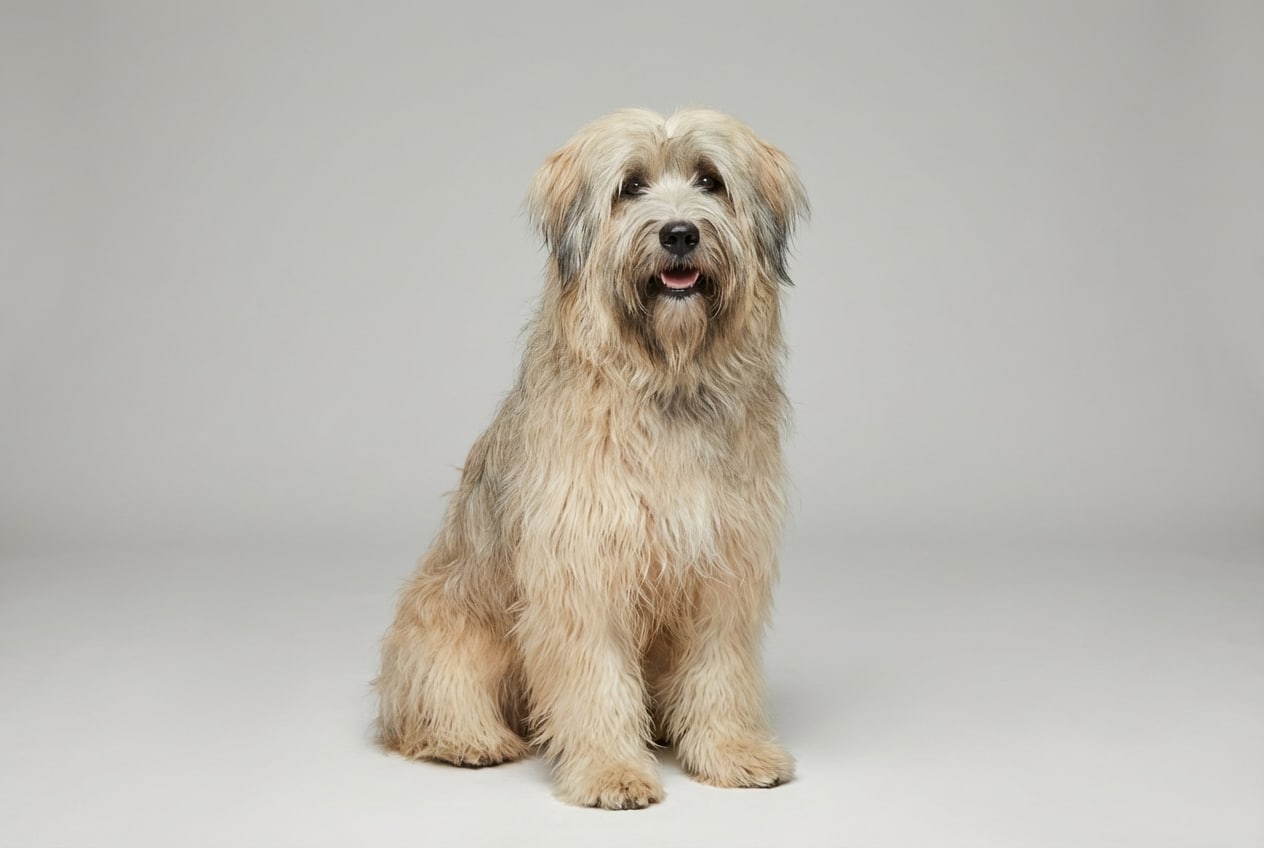
The Grand Basset Griffon Vendeen's coat is its calling card -- that rough, tousled, casually elegant look that says "I just came from a hunt through the French countryside and I look fabulous doing it." When a GBGV won Best in Show at Westminster in 2023, the breed's distinctive coat was front and center in every photo.
But that coat is more complex than it appears, and understanding it is the difference between a GBGV that looks breed-correct and one that looks like a different dog entirely.
Coat Structure: Rough, Harsh, and Purposeful
The GBGV has a true rough coat -- a specific coat type that is distinct from smooth, wire, long, and curly varieties. Understanding what "rough" means is essential.
The Outer Coat
The guard hairs are long (3-6 centimeters on the body), rough in texture, and slightly wavy. They should feel harsh and bristly to the touch -- never soft, silky, or fluffy. This texture is the coat's defining feature.
The harshness serves specific functions:
- Thorn resistance: The rigid hairs deflect brambles rather than catching on them
- Water shedding: Harsh texture causes water to bead and run off
- Self-cleaning: Dirt dries and falls out of harsh coat more readily than soft coat
- Protection: The stiff hairs create a layer of physical armor against scratches and bites
The Undercoat
Beneath the harsh outer coat lies a dense, soft undercoat that provides insulation and waterproofing. This undercoat is the reason the GBGV could hunt all day in the wet, cool climate of the Vendee region.
The undercoat grows and sheds on a cycle, and its management is key to maintaining the outer coat's proper appearance. When undercoat is not removed through brushing and stripping, it pushes through the outer coat and creates a woolly, matted mess that obscures the harsh texture.
The Furnishings
Furnishings are the longer, decorative hair that gives the GBGV its expression:
Eyebrows: Long, bushy hair arching over the eyes. They create the breed's quizzical, intelligent expression. Functionally, they protect the eyes from brush and debris during hunting.
Beard and Mustache: Moderate facial hair extending from the muzzle. It gives the face its characteristic French charm but is also a maintenance zone -- catching food, water, and outdoor debris.
Ear Hair: The long, pendant ears are covered in wavy hair that adds to the breed's distinctive silhouette. This ear hair is beautiful but creates grooming challenges by trapping moisture against the ear canal.
Leg Furnishings: Moderate longer hair on the legs, adding to the casual, rough-and-ready appearance.
Furnishings should look natural and slightly tousled -- never sculpted, pom-pom'd, or overly manicured. The GBGV is supposed to look like it just returned from the field, not from a styling session.
Color
The GBGV comes primarily in tri-color (white with black and tan markings) or bi-color (white with orange/lemon/fawn markings). The white base is predominant, with colored patches.
Common patterns:
- White and orange: White base with orange/fawn patches
- White, black, and tan: Classic tri-color
- White and lemon: Pale variation
- White and grizzle: Black and white hairs mixed, creating a grey-toned appearance
How the Coat Grows and Sheds
Growth Cycle
The GBGV's outer coat grows to a genetically determined length and then dies. Unlike breeds with continuously growing coats (Poodles, for example), the GBGV's coat reaches a terminal length and stops. Dead coat stays in place until physically removed through stripping, brushing, or natural friction.
This growth cycle is why hand-stripping works so well for this breed. By pulling dead coat at the root, you stimulate new growth that comes in with proper harsh texture. Clipping cuts the dead hair at mid-shaft, leaving the dead root in place and encouraging soft undercoat to fill in -- which is how clipping ruins rough coat texture.
Shedding Pattern
The GBGV sheds moderately but differently from smooth-coated breeds:
Daily: Light shedding from the undercoat. Less visible than smooth-coated shedding because the longer outer coat traps much of the loose hair before it reaches furniture. However, this trapped hair contributes to matting if not brushed out.
Seasonal: Undercoat sheds more heavily in spring and fall. The outer coat also loosens during these transitions as dead guard hairs are ready for removal.
Continuous Dead Coat: Unlike breeds where coat falls out naturally, the GBGV's dead outer coat stays attached. If not stripped out, it creates a dense, dull layer that buries the new growth underneath.
On a 1-10 shedding scale, the GBGV rates about a 4-5 for visible shedding (what reaches your furniture), but a 6-7 for total dead coat production (including what stays trapped in the coat).
Common Coat Problems
Loss of Texture
Cause: Clipping, wrong grooming products (softening conditioners), or neglecting to strip dead coat. Appearance: Coat feels soft, fluffy, or cottony instead of harsh and rough. Color appears washed out. Fix: Months of hand-stripping to gradually replace soft growth with properly textured new coat. Prevention is far easier than restoration.
Matting
Where: Behind ears, armpits, groin, chest (where beard meets body), between toes. Why: Friction areas where dead undercoat tangles with outer coat, especially when damp. Prevention: Regular brushing (3-4 times weekly), thorough drying after water exposure, professional grooming every 6-8 weeks.
Ear Problems
The perfect storm: Long pendant ears + abundant ear hair = warm, moist, debris-catching environment over the ear canal. Chronic ear infections are the most common health complaint in this breed. Prevention: Professional ear cleaning every 6-8 weeks, weekly home ear checks, carefully thinning (not removing) ear hair to improve airflow.
Beard Hygiene
Issue: The beard catches food, water, drool, and outdoor debris. Without daily attention, it can harbor bacteria, develop odor, and cause chin acne. Management: Wipe after every meal. Comb through daily. Professional deep cleaning every 6-8 weeks.
Care Calendar
Daily:
- Wipe beard after meals
- Quick visual check of eyebrows, ears, and furnishings
- Brush through entire coat with slicker brush and pin brush
- Comb through furnishings with metal comb
- Check friction areas for early matting
- Ear check: look for redness, sniff for odor, wipe with cleaner
- Run hands through coat checking for mats, debris, or skin changes
- Professional grooming: hand-stripping or maintenance trim, ear care, furnishing shaping, nail trim
- Extra attention during undercoat shedding (spring/fall)
- Adjust products for weather (moisturizing in dry winter, lighter products in humid summer)
Tools for the GBGV Coat
Essential:
- Pin brush: For general body coat brushing without damaging texture
- Slicker brush: For working through tangles and removing loose undercoat
- Metal greyhound comb: For furnishings (beard, eyebrows, legs) and checking thoroughness
- Stripping knife or stone: For owners learning to maintain between professional strips
- Mat splitter: For addressing early mats before they tighten
- Ear cleaner: Veterinary-approved solution for weekly ear maintenance
- Chamois or microfiber cloth: For beard wiping
- Heavy conditioners: They soften the coat, destroying harsh texture
- Detangling sprays with silicone: Same softening problem
- Furminator-type tools: Cut the wire hairs instead of removing them properly
The Coat Is the Identity
The Grand Basset Griffon Vendeen without its rough coat is unrecognizable. That harsh, tousled, casually elegant covering is what makes a GBGV look like a GBGV. Understanding how it works -- the harsh outer coat, the dense undercoat, the purposeful furnishings, the specific growth cycle -- gives you the knowledge to maintain it properly.
The coat tells you when things are right (harsh, glossy, well-textured) and when they are wrong (soft, matted, dull). Listen to it. Maintain it with the right tools and the right professional help. And never, ever let someone clip it flat.
---
Ready to streamline your grooming workflow? PawOps Board Manager helps salons track every Grand Basset Griffon Vendeen from check-in to pickup with real-time visibility. Start your free 30-day trial →
Related Reading: