Why Your Grand Basset Griffon Vendeen Needs Professional Grooming
Why Your Grand Basset Griffon Vendeen Needs Professional Grooming
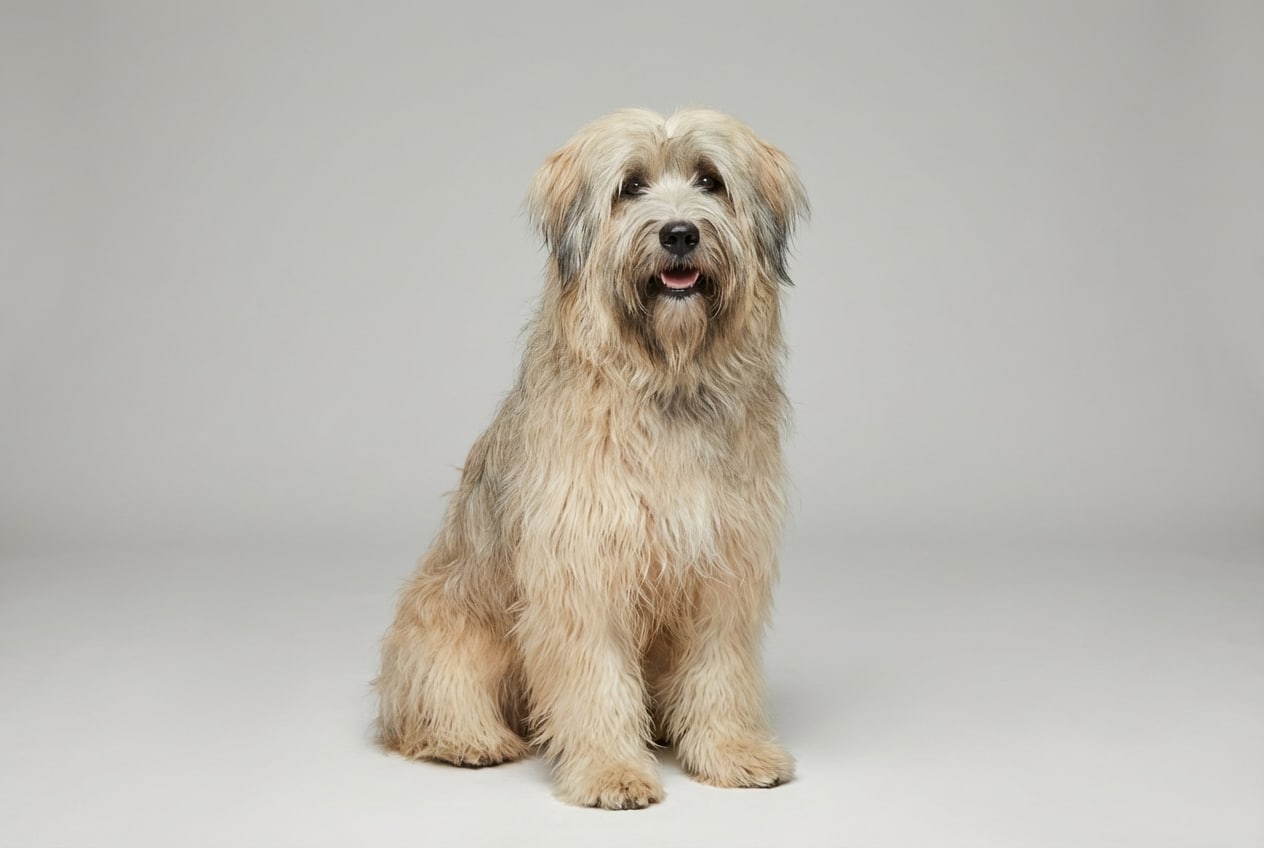
The Grand Basset Griffon Vendeen -- GBGV to those who know the breed -- is one of the most distinctive hounds you will ever encounter. That rough, tousled coat, the long ears draped in wavy hair, the casual mustache and eyebrows that give the breed its signature charming expression. Nothing about this dog looks like a typical grooming-optional hound.
And nothing about it is. The GBGV has one of the most grooming-intensive coats in the hound group, and professional care is not a luxury -- it is a necessity for the health and functionality of that stunning rough coat.
The GBGV Coat: Beautifully Complex
The Grand Basset Griffon Vendeen has a rough, harsh-textured double coat with a dense undercoat. The outer coat is long, rough, and slightly wavy. It gives the dog its characteristic unkempt-chic appearance -- like a French aristocrat who just returned from a hunt through the Vendee countryside (which is exactly what the breed was designed for).
The coat features distinctive furnishings:
- Eyebrows: Long, bushy, creating a quizzical expression
- Mustache and beard: Moderate facial hair that catches food, water, and outdoor debris
- Ear hair: Long, wavy hair covering the already-long pendant ears
- Body coat: Rough, harsh guard hairs over dense, soft undercoat
- Leg hair: Moderate furnishings on the legs
Why This Coat Demands Professional Care
Coat Texture Must Be Maintained
The GBGV's rough coat should feel harsh and crisp -- never soft, silky, or woolly. Maintaining this texture requires hand-stripping or careful coat management by someone who understands wire-type coats.
Machine clipping a GBGV coat -- as many uninformed groomers might suggest for convenience -- destroys the harsh texture. The coat grows back soft and fluffy, losing its weather resistance and its breed-correct appearance. Once clipped, restoring proper rough texture takes 6-12 months of dedicated hand-stripping.
Professional groomers experienced with rough coats know how to:
- Hand-strip dead coat to maintain texture
- Shape furnishings without losing their natural, casual appearance
- Preserve the coat's protective function while keeping it tidy
Ear Care Is Critical
The GBGV combines two ear challenges: long pendant ears AND abundant ear hair. The long, low-set ears drape far below the jaw, creating a deep, warm pocket over the ear canal. The wavy hair covering the ears compounds the problem by trapping additional moisture and debris.
Veterinary data indicates that breeds with both pendant ears and ear furnishings have the highest ear infection rates among all ear types. The GBGV checks both boxes.
Professional ear care for a GBGV involves:
- Carefully managing the ear hair (thinning, not removing entirely)
- Deep cleaning the ear canal with appropriate solutions
- Thoroughly drying the ear canal and surrounding hair
- Assessing for signs of yeast, bacteria, or parasites
Matting Prevention
The combination of harsh outer coat and dense undercoat creates prime matting conditions, especially in the friction areas:
- Behind the ears
- In the armpits
- Around the groin
- Along the chest where the beard meets the body
- Between the toes
The Furnishings Need Shaping
The eyebrows, beard, mustache, and leg furnishings grow continuously and need regular shaping to maintain the breed's characteristic expression and functionality. Left unmanaged:
- Eyebrows overgrow and obstruct vision
- The beard collects and holds food debris, becoming a hygiene issue
- Leg furnishings mat against the legs
- The overall appearance shifts from "casual French elegance" to "neglected"
What a Professional GBGV Session Includes
Total time: 60-90 minutes -- significantly longer than smooth-coated hounds.
Grooming Frequency
- Every 6-8 weeks: Full professional session (non-negotiable for this coat type)
- Weekly: Brush through body coat and furnishings, check ears, comb beard
- 2-3 times weekly: Quick check of friction zones (armpits, behind ears)
- After meals: Wipe beard to remove food debris
- After outdoor activity: Check for burrs, sticks, and matting
Finding a Groomer Who Understands This Coat
The GBGV requires a groomer with specific skills:
- Hand-stripping experience (or at minimum, understanding of rough coat maintenance)
- Knowledge that this coat should NEVER be machine-clipped all over
- Experience with furnishings (beard, eyebrows) shaping
- Understanding of pendant ear care with ear furnishings
- Willingness to take the time the coat demands (this is not a 30-minute groom)
If a groomer suggests clipping the GBGV for convenience, find a different groomer. The rough coat is fundamental to the breed's identity and function.
The Coat Is the Breed
The Grand Basset Griffon Vendeen without its rough coat is like a recipe without ingredients -- technically possible but missing the entire point. Professional grooming maintains the coat that defines this breed: rough, tousled, functional, and utterly charming. Your GBGV deserves someone who understands what they are working with.
---
Ready to streamline your grooming workflow? PawOps Board Manager helps salons track every Grand Basset Griffon Vendeen from check-in to pickup with real-time visibility. Start your free 30-day trial →
Related Reading: