Understanding Your Great Dane's Coat: A Giant Breed Guide
Understanding Your Great Dane's Coat: A Giant Breed Guide
The Great Dane coat looks straightforward -- short, smooth, easy. And compared to breeds that need professional styling, it is simpler. But simple doesn't mean zero maintenance. Your Great Dane's coat is a window into their overall health, and understanding how it works helps you keep your gentle giant comfortable and thriving.
Great Dane Coat Basics
Great Danes have a single coat -- one layer of short, dense, smooth fur that lies close to the body. Key characteristics:
- Length: Short, typically under 1 inch
- Texture: Smooth and sleek with a natural sheen
- Undercoat: Minimal to none (varies by individual)
- Growth cycle: Continuous shedding rather than dramatic seasonal blows
The Seven Coat Colors (and What They Mean for Care)
Great Danes come in seven AKC-recognized colors, and the color your Dane wears affects coat care:
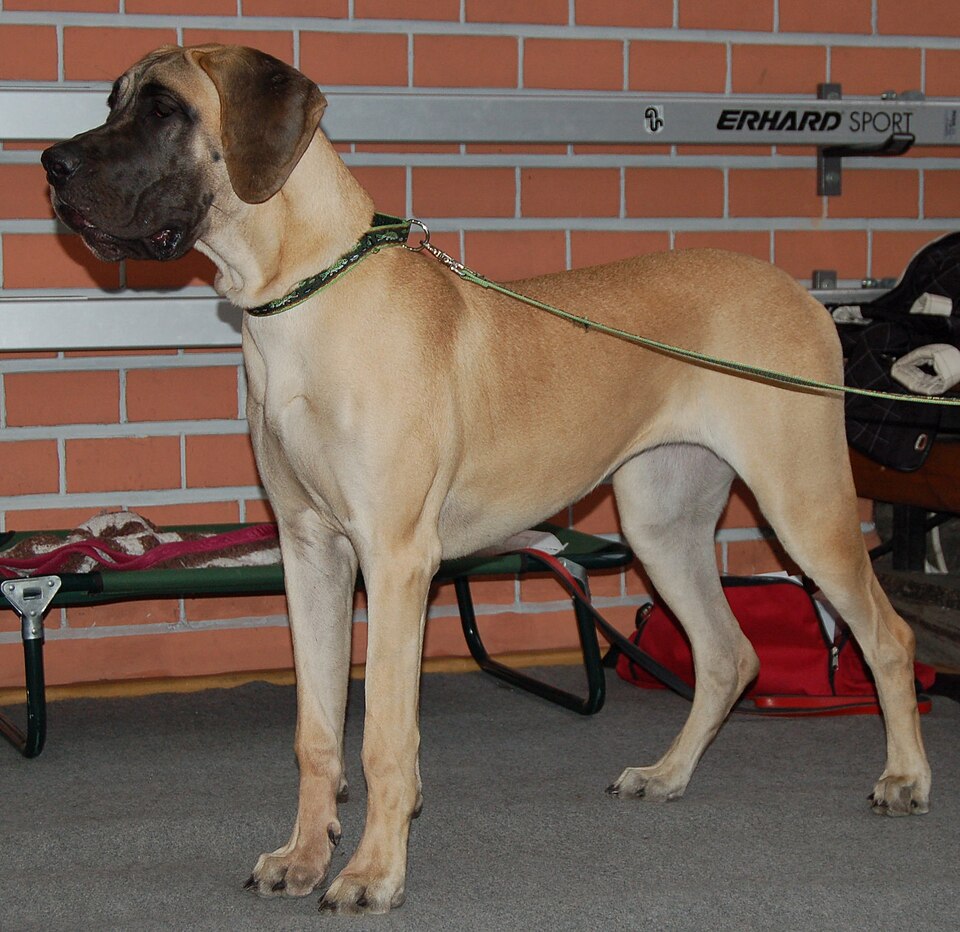
Fawn
The classic look -- golden body with black mask. Fawn Danes tend to have robust coat health and show dirt easily. Regular bathing keeps them looking their best.Brindle
Fawn base with black chevron stripes. Same care needs as fawn, with the added bonus that brindle patterns are excellent at hiding minor blemishes and dirt.Blue
Solid steel gray. Blue Danes have a marginally higher incidence of color dilution alopecia compared to darker-coated individuals. Watch for hair thinning and work with a groomer familiar with dilute coats.Black
Solid glossy black. Black coats show dandruff and dry skin flakes more visibly than other colors. Regular conditioning helps maintain that show-stopping shine.Harlequin
White base with irregular black patches. The white areas are more vulnerable to sunburn than pigmented skin. Harlequin Danes in sunny climates need sun protection.Mantle
Black with white markings (resembling a blanket draped over the body). Standard care needs, similar to black.Merle
Gray base with darker patches. Merle Danes, like blue Danes, can be more prone to skin sensitivities. Double merle (two copies of the merle gene) can cause additional health issues beyond coat concerns.Surprising fact: the white areas on Harlequin and Merle Great Danes lack melanin, which means those patches have essentially zero natural UV protection. A study in the Journal of the American Veterinary Medical Association found that dogs with significant white coat areas are 3-4 times more likely to develop solar dermatitis than fully pigmented dogs.
Shedding: More Than You Bargained For
Here's the truth about Great Dane shedding that breeders don't always mention upfront: Danes are moderate to heavy shedders year-round.
The math works against you. Even though each square inch of Dane fur sheds at the same rate as any other short-coated breed, a Great Dane has so much more surface area that the total volume of shed hair is substantial. It's like comparing rainfall on a patio versus rainfall on a football field -- same rate, vastly different output.
What to expect:
- Year-round moderate shedding: Those short hairs get on everything and embed in fabric
- Spring and fall upticks: Slightly heavier shedding during seasonal transitions
- Stress shedding: Danes are emotionally responsive and can shed more during stressful periods
Managing Great Dane Shedding
- Daily or every-other-day brushing with a rubber curry brush during peak shedding
- Weekly brushing during normal periods
- Professional deshedding treatments every 6-8 weeks
- Quality diet with omega fatty acids reduces excessive shedding
- Regular bathing removes loose hair before it ends up on your couch
Skin Health: The Great Dane's Weak Spot
The Great Dane coat provides limited skin protection, making skin health your number one coat-related priority:
Common Skin Issues
Allergies: Environmental allergies (grass, pollen, dust mites) are common. Food allergies also occur. Symptoms include itching, redness, recurring ear infections, and paw licking.
Hot spots: Acute moist dermatitis can develop quickly, especially in warm, humid climates. Areas where skin rubs against skin -- armpits, groin, neck folds on heavier Danes -- are prime locations.
Acne: Chin and muzzle acne affects many young Danes. It looks like red bumps or blackheads and is caused by bacteria entering hair follicles.
Calluses and pressure sores: Not technically a coat issue, but directly related to the thin coat providing minimal cushioning. Elbows and hocks bear the brunt. Without intervention, calluses can crack, bleed, and become infected.
Folliculitis: Bacterial infection of hair follicles that causes bumps, redness, and sometimes hair loss. More common in short-coated breeds because the coat provides less barrier protection.
Prevention Strategies
Nutrition and Your Great Dane's Coat
Diet has a direct, visible impact on your Great Dane's coat. What to prioritize:
- High-quality animal protein: The foundation of healthy hair growth. Danes do well on large-breed formulas with named meat as the first ingredient.
- Omega-3 fatty acids: Fish oil supplements (dose by weight -- Danes need more than most dogs) reduce inflammation and add shine. Start at 1,000mg EPA/DHA per 50 pounds of body weight.
- Omega-6 fatty acids: Support the skin barrier. Most commercial foods provide adequate omega-6, so supplementation isn't usually necessary.
- Zinc: Essential for skin cell turnover. Some giant breeds are predisposed to zinc deficiency.
- Biotin: Supports hair follicle health and can improve coat texture.
Bathing Your Great Dane: The Essentials
Bathing a Great Dane at home is an adventure, but if you're going to attempt it between professional visits:
- Use a walk-in shower or outdoor bathing station: Bathtubs are typically too small
- Pre-dilute shampoo: Mix shampoo with water (1:3 ratio) in a squeeze bottle for better coverage and easier rinsing
- Rinse twice as long as you think necessary: Shampoo residue causes itching and irritation
- Dry completely: Every fold, every crease. Use towels first, then a high-velocity dryer if you have one. Trapped moisture is the enemy.
- Frequency: No more than once every 4-6 weeks at home, supplementing professional grooming
Seasonal Care Calendar
| Season | Coat Focus | Skin Focus | |--------|-----------|------------| | Spring | Increased shedding management, daily brushing | Watch for allergy onset, check for ticks | | Summer | Regular maintenance, sun protection for light areas | Drool management, hot spot prevention | | Fall | Moderate shedding uptick | Dry skin prevention as humidity drops | | Winter | Standard brushing schedule | Moisturize calluses, prevent dry/cracking skin |
Your Great Dane's coat may be the simplest part of owning a giant breed, but it still deserves attention. It's your dog's first line of defense, their temperature regulation system, and a daily health indicator. Pay attention to it, keep it clean and well-nourished, and it'll serve your gentle giant well for years.
FAQ
Do Great Danes shed a lot?
Yes, more than most people expect. Their large surface area means even moderate per-square-inch shedding adds up to a substantial amount of loose hair. Daily brushing during peak seasons and weekly brushing otherwise helps manage it.What's the best way to reduce Great Dane shedding?
Regular brushing with a rubber curry tool, professional deshedding treatments every 6-8 weeks, a high-quality diet rich in omega fatty acids, and consistent bathing on schedule. You can't eliminate shedding, but you can reduce the amount that ends up on your furniture.Do Great Danes need sunscreen?
Danes with significant white or lightly pigmented areas (Harlequins, Merles) can benefit from dog-safe sunscreen during extended outdoor time, especially in summer. White coat areas lack melanin and are more vulnerable to UV damage.How often should I bathe my Great Dane?
Professionally every 6-8 weeks. If bathing at home between appointments, no more than once every 4-6 weeks. Over-bathing strips natural oils and worsens dry skin.Why does my Great Dane's coat look dull?
Dull coat usually signals a nutritional gap. Check that your dog is eating a high-quality food with adequate protein and fat. Adding a fish oil supplement rich in omega-3 fatty acids typically produces visible improvement within 4-8 weeks. If diet changes don't help, consult your vet about underlying health issues.---
Ready to streamline your grooming workflow? PawOps Board Manager helps salons track every Great Dane from check-in to pickup with real-time visibility. Start your free 30-day trial →