Understanding Your Greater Swiss Mountain Dog's Coat: What Every Owner Should Know
Understanding Your Greater Swiss Mountain Dog's Coat: What Every Owner Should Know
The Greater Swiss Mountain Dog's coat is a study in deception. It looks simple -- short, sleek, tricolor, done. But that coat is doing far more work than its appearance suggests, and understanding its structure explains why your Swissy sheds enough to knit a sweater every week.
Here is what is actually going on with that coat and how to care for it properly.
Anatomy of the Swissy Coat
Greater Swiss Mountain Dogs have a classic double coat with two distinct layers.
The Outer Coat
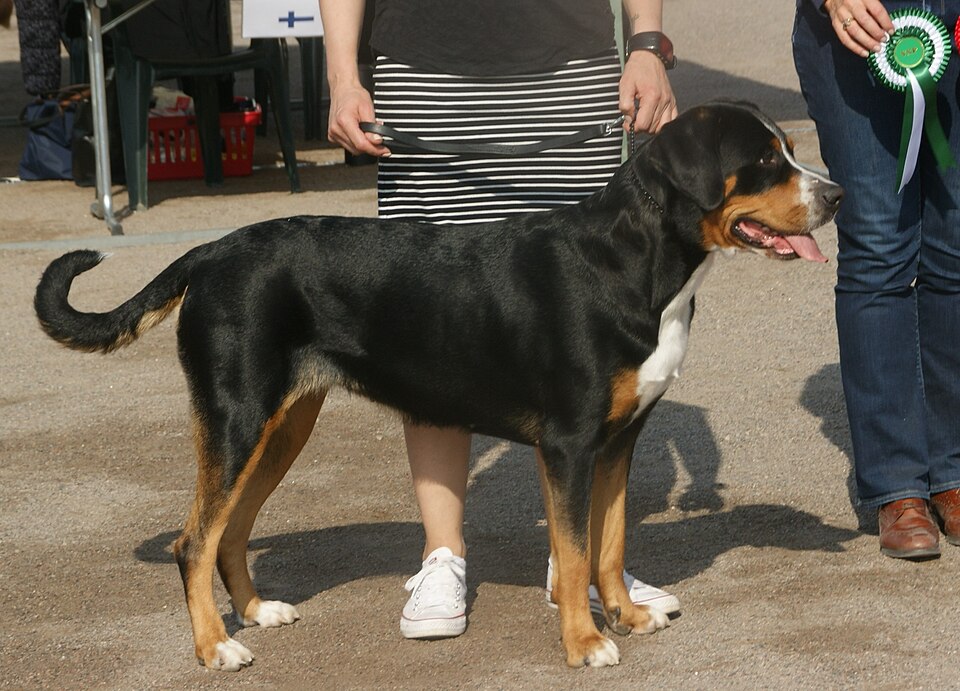
The topcoat is dense, short (approximately 1 to 2 inches), and lies flat against the body. It has a slightly coarse texture -- not soft like a Labrador's, but not harsh like a terrier's. This outer layer functions as a shield against weather, brush, and minor abrasions.
The color pattern is always tricolor: a black base with symmetrical rust (tan) and white markings. The rust appears over the eyes, on the cheeks, on each side of the chest, on all four legs, and under the tail. White typically covers the muzzle, a blaze up the forehead, the chest, the feet, and the tail tip.
This coloring is not just for show. The dark coat absorbs less UV radiation than it appears to -- the dense undercoat provides the actual UV and temperature protection. The markings were historically used for visibility when the dogs worked in Alpine meadows.
The Undercoat
Beneath that tidy topcoat is a thick, soft undercoat that is the real story. The undercoat is dense enough to be almost felt-like when compressed, and it covers the entire body. This layer was developed for Swiss mountain weather -- freezing temperatures, snow, rain, and wind.
The undercoat grows continuously, dies, and sheds on a rolling cycle with two significant acceleration periods in spring and fall. During these blowouts, the undercoat comes out in clumps and tufts that work their way through the outer coat and onto every surface in your home.
The Swiss Kennel Club breed standard specifically calls for a dense undercoat as a requirement. A Swissy without adequate undercoat would have been unable to perform the draft, herding, and guarding work the breed was developed for in the Bernese Alps.
Why Your Swissy Sheds More Than Expected
New Swissy owners are consistently surprised by the shedding volume. Here is why it exceeds expectations:
A survey by the Greater Swiss Mountain Dog Club of America found that shedding management is the number one grooming-related concern among breed owners. It outranks every other coat care topic.
The Shedding Calendar
| Period | Shedding Level | What Is Happening | |--------|---------------|-------------------| | March - May | Heavy to extreme | Winter undercoat blowing out | | June - August | Moderate | Lighter summer undercoat, steady background shedding | | September - November | Heavy | Summer coat shedding, dense winter undercoat growing | | December - February | Moderate | Full winter coat in place, steady background shedding |
Note that Swissies living in climate-controlled homes may experience a more flattened shedding pattern -- less extreme peaks but more consistent year-round shedding. This is because indoor lighting disrupts the photoperiod signals that trigger seasonal coat changes.
Common Coat Issues
Hot Spots
Greater Swiss Mountain Dogs are prone to hot spots, particularly in warm and humid climates. The dense undercoat holds moisture against the skin, creating conditions for bacterial overgrowth. Common hot spot locations:
- Along the flanks
- On the rump near the tail base
- Behind the ears
- On the neck where the collar sits
Contact Dermatitis
Swissies are closer to the ground than their height suggests because of their build. The belly and chest contact grass, chemicals, and allergens regularly. Some Swissies develop contact dermatitis from lawn treatments, seasonal plant material, or cleaning products.
Signs: red, irritated skin on the belly or chest, excessive licking at the feet, and localized hair loss. A groomer checking the underside during each visit catches these patterns early.
Dry Skin and Dandruff
Some Swissies develop dry, flaky skin, especially in winter when indoor heating reduces humidity. You may notice white flakes when brushing. Omega-3 fatty acid supplementation and occasional use of a moisturizing shampoo can help significantly.
Color Fading
The black portions of a Swissy's coat can develop a reddish or brownish tint from prolonged sun exposure. This is cosmetic, not a health concern, but it is worth noting. The rust markings may also lighten. This fading is more common in dogs that spend significant time outdoors in sunny climates.
Home Care Toolkit
The Swissy's short coat requires fewer tools than long-coated breeds, but the right tools matter:
- Rubber curry brush: The single most effective tool for short double coats. Loosens and lifts dead undercoat during regular brushing.
- Undercoat rake: For deeper undercoat removal during blowout season. Use gently -- the short outer coat means the rake is closer to the skin.
- Bristle brush: For finishing and distributing natural oils across the topcoat.
- Grooming mitt: Good for quick daily once-overs that keep loose hair under control.
- High-velocity dryer (optional): If you can invest in one ($80-$200), it is the most effective home tool for blasting out loose undercoat between professional visits.
A Practical Brushing Routine
Twice per week (10-15 minutes):
During blowout season (daily, 10 minutes):
Use the rubber curry and undercoat rake daily. The volume of loose fur you remove will be significant. Doing this daily actually saves time compared to letting it accumulate between less frequent sessions.
Bathing Guidelines
Swissies do not need frequent baths -- their coat naturally resists odor better than many breeds. A bath every 6 to 10 weeks is sufficient unless the dog gets genuinely dirty.
Bathing tips specific to Swissies:
- Use lukewarm water. Swissies are heat-sensitive, and hot water is uncomfortable.
- Dilute the shampoo. The dense coat needs shampoo worked to the skin, not just applied to the surface. Diluting helps distribute evenly.
- Rinse thoroughly. Shampoo residue trapped in the undercoat causes itching and irritation. Rinse until the water runs completely clear, then rinse again.
- Dry completely. This is critical. A Swissy with a damp undercoat is a hot spot waiting to happen. Use a high-velocity dryer if available, or ensure thorough air drying in a warm area.
When the Coat Signals Trouble
Watch for these changes:
- Excessive shedding outside normal patterns: May indicate thyroid issues, stress, or nutritional deficiency
- Dull coat that loses its healthy sheen: Often a nutritional signal or early sign of internal health issues
- Patchy hair loss: Could indicate allergies, fungal infection, or hormonal imbalance
- Persistent redness or irritation visible through the coat: Likely contact dermatitis or allergies
- Change in coat texture (becomes brittle or unusually dry): Worth a veterinary check
PawOps helps grooming salons assess short-coated double-coat breeds using condition scoring and density analysis -- so your Greater Swiss Mountain Dog gets the undercoat attention their coat actually demands, not the quick bath their appearance might suggest.
Related Reading: