Understanding Your Hokkaido's Coat: What Every Owner Should Know
Understanding Your Hokkaido's Coat: What Every Owner Should Know
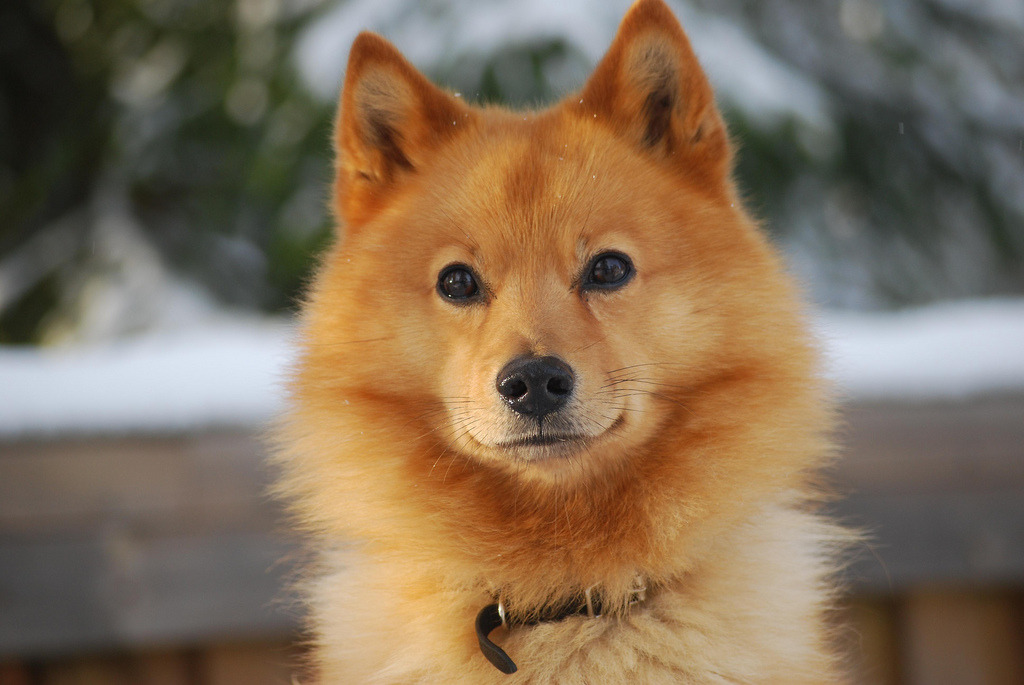
The Hokkaido dog carries the coat of a survivor. Developed by the Ainu people -- the indigenous inhabitants of Japan's northernmost island -- this breed hunted bears and deer in conditions that would defeat most dogs. Blizzards, sub-zero temperatures, deep snow, and howling winds were the daily working environment. The coat that evolved in response is one of the most impressive temperature-management systems in the canine world.
Understanding this coat is essential for keeping your Hokkaido comfortable in the considerably different environment of modern suburban life.
The Densest Coat in the Japanese Breed Family
Among Japan's six native breeds -- Shiba Inu, Kai Ken, Kishu Ken, Shikoku, Akita, and Hokkaido -- the Hokkaido carries the densest coat relative to body size. This density reflects geography. While other Japanese breeds developed in the relatively temperate main islands, the Hokkaido evolved on the northernmost island where winters are comparable to northern Scandinavia or Alaska.
Outer Coat: Long, straight, and harsh. The guard hairs are noticeably coarser than those of southern Japanese breeds. They stand off the body prominently, creating a thick barrier against wind, snow, and rain. Each guard hair has a tough outer cuticle that sheds water on contact -- a Hokkaido can emerge from a snowstorm and shake dry in seconds.
Undercoat: This is where the Hokkaido distinguishes itself. The undercoat is extraordinarily dense -- packed so tightly that parting it to the skin requires deliberate effort. Research on double-coated breed density places the Hokkaido in the same tier as Samoyeds and Alaskan Malamutes despite being considerably smaller than either breed. The undercoat provides thermal insulation effective to temperatures well below -20 degrees Fahrenheit.
The functional result is a coat that maintains the dog's core body temperature in extremes. In cold conditions, the dense undercoat traps body heat. In warm conditions (when properly maintained with dead undercoat removed), the coat creates an air barrier that insulates against external heat. This dual-function system is compromised only when the undercoat becomes packed with dead hair, which disrupts airflow and eliminates the insulating air pockets.
Color Varieties
Hokkaido dogs come in several colors:
White: Common and striking. The white coat shows the breed's silhouette dramatically but requires the additional care of all white coats -- stain management, whitening products, and prompt attention to discoloration.
Red: Ranging from light fawn to deep red. The most common non-white color. Red Hokkaido coats are typically the harshest in texture.
Sesame: Multi-banded guard hairs creating a complex, shaded pattern. Less common but visually distinctive. The sesame pattern can shift subtly with coat cycles.
Black: Solid black with or without tan points. Less common. Black coats show dandruff and debris but hide staining.
Black and Tan: Black body with tan points on legs, chest, and face. A striking contrast that showcases the breed's structure.
Brindle: Striped pattern over a lighter base. The rarest color in Hokkaido.
All colors carry the same coat density and require the same grooming approach.
The Coat Blow: An Event, Not Just Shedding
Hokkaido owners do not experience shedding -- they experience an event. The spring coat blow is one of the most dramatic in the medium-sized dog world.
When the winter undercoat releases (typically March through May, triggered by increasing daylight), the volume of loose hair is staggering. Experienced Hokkaido owners describe filling multiple trash bags over the 2-4 week duration. The house fills with hair tumbleweeds. Dark clothing becomes a relic. Lint rollers become a household essential.
The mechanics of the blow:
Week 1: Loose tufts begin appearing in the coat. Running your hand along the body pulls small clumps of undercoat. Shedding increases on furniture and flooring.
Week 2: Peak shedding. Large sections of undercoat release. The dog may look patchy or uneven as some areas blow coat faster than others. Professional de-shedding during this window has the greatest impact.
Week 3-4: Shedding gradually decreases. The remaining undercoat releases in smaller quantities. The coat begins to settle into its summer configuration.
Post-Blow: The coat appears noticeably thinner and flatter. The dog's body contour becomes more visible through the outer coat. This is the Hokkaido's summer coat -- still double-layered, still functional, but with significantly reduced undercoat density.
The fall coat blow is typically lighter than spring, as the body replaces the light summer undercoat with a denser winter version.
Home Grooming for Exceptional Density
The Hokkaido's coat density demands more rigorous home care than lighter-coated Japanese breeds:
Tools (Non-Negotiable):
- Heavy-duty undercoat rake (the single most important tool)
- Pin brush (for outer coat)
- Metal greyhound comb (for verification)
- Slicker brush (for working through tangles)
- Detangling spray (reduces hair breakage during brushing)
Time: 25-35 minutes per session. More than lighter-coated breeds, but the density demands it.
Coat Blow Routine (Daily):
Bathing Guidelines
Frequency: Every 6-8 weeks during professional grooming, or when genuinely dirty. The natural oils in the Hokkaido's coat maintain its water-resistant properties. Over-bathing strips these oils.
Critical Rules:
- Always brush thoroughly before bathing -- water turns loose undercoat into solid mats
- Proper drying is non-negotiable -- a home blow dryer cannot reach the deepest undercoat
- If bathing at home, invest in a pet dryer and budget 30-45 minutes for drying
- Never leave a Hokkaido damp at the skin level -- the dense coat traps moisture and creates conditions for skin infection
Diet and Coat Health
The Hokkaido's dense coat has significant nutritional requirements:
Protein: Minimum 27-30% dietary protein. The coat is primarily keratin, which requires substantial amino acid intake to maintain density and quality.
Fatty Acids: Omega-3 (fish oil) and omega-6 supplementation directly affects coat sheen and skin moisture. The dense coat makes skin dehydration less visible but no less problematic.
Hydration: Adequate water intake supports the skin beneath the dense coat. Monitor water consumption, as coat density can make skin dryness difficult to detect until it becomes a problem.
A Coat That Survived Bear Hunts
The Hokkaido's coat is overengineered for suburban life, and that is perfectly fine. You will never need it to withstand a Hokkaido blizzard during a bear hunt. But you do need to maintain the systems it was designed with: the waterproof outer coat, the insulating undercoat, the temperature-regulating air pockets between layers. Professional grooming and consistent home care preserve these systems, keeping your Hokkaido comfortable in conditions the Ainu people could never have imagined.
---
Ready to streamline your grooming workflow? PawOps Board Manager helps salons track every Hokkaido from check-in to pickup with real-time visibility. Start your free 30-day trial →
Related Reading: