Why Your Hokkaido Needs Professional Grooming
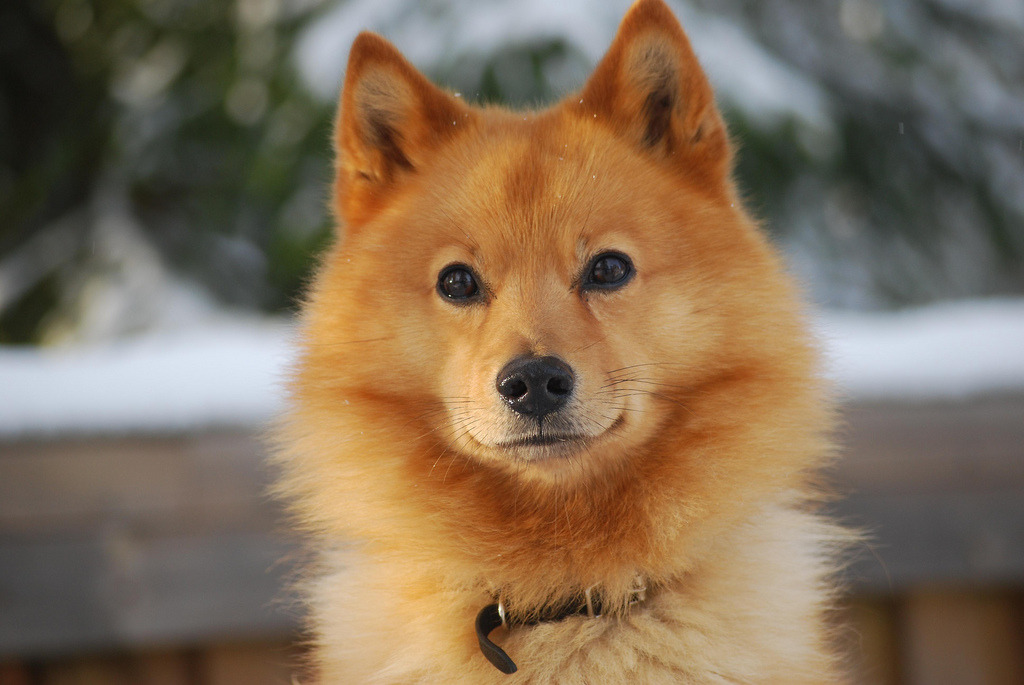
Why Your Hokkaido Needs Professional Grooming
The Hokkaido is among the toughest of Japan's native breeds. Also known as Ainu-ken (dog of the Ainu people), this breed was developed by the indigenous Ainu people of Japan's northernmost island to hunt bears, deer, and wild boar in some of the harshest winter conditions in Asia. The Hokkaido's coat reflects that heritage -- it is the densest and most cold-adapted of all Japanese native breed coats.
At 44-66 pounds and 18-20 inches tall, the Hokkaido is a medium-to-large breed that carries substantially more coat than its frame suggests. Here is why professional grooming is critical for this breed.
Built for Blizzards
The Hokkaido's double coat was developed for survival in conditions where temperatures regularly drop below zero degrees Fahrenheit with heavy snowfall and biting winds. The Ainu people depended on these dogs for hunting -- a dog that could not withstand Hokkaido winters was a dog that could not work.
The result is a coat with exceptional density:
The Outer Coat: Harsh, straight guard hairs that stand off the body more prominently than most Japanese breeds. The texture is coarser and the length slightly longer than a Shiba Inu or Shikoku, reflecting the need for greater weather protection.
The Undercoat: Remarkably thick and dense. Veterinary coat density assessments place the Hokkaido's undercoat among the densest of any medium-sized breed -- comparable to Arctic breeds like Samoyeds and Siberian Huskies despite the Hokkaido's more moderate size. This undercoat is the key to the breed's survival in extreme cold, but it also creates significant grooming demands.
The combination produces a coat that is waterproof, windproof, and provides insulation to temperatures well below freezing. It is engineering perfected by centuries of natural selection in some of the most punishing conditions in Japan.
Why Professional Grooming Is Non-Negotiable
Undercoat Density Demands Professional Tools: The Hokkaido's undercoat is too dense for home brushing alone to manage effectively. Dead undercoat packs against the skin in layers that a slicker brush cannot reach. Professional high-velocity dryers blast through the coat from skin to tip, removing packed undercoat that would otherwise trap heat, moisture, and debris against the skin. For a breed with this much undercoat, the difference between professional and home grooming is not marginal -- it is substantial.
Dramatic Coat Blows: The Hokkaido experiences some of the most dramatic seasonal coat blows of any breed its size. The dense winter undercoat releases over 2-4 weeks in spring, producing a volume of shed hair that consistently surprises owners. According to breed enthusiasts, a Hokkaido in full coat blow can fill multiple garbage bags with loose undercoat. Professional de-shedding during coat blow is not just convenient -- it is necessary to prevent matting, skin issues, and the weeks-long mess of unmanaged shedding.
Skin Health: The extremely dense coat creates a warm, moist microclimate against the skin that is ideal for bacterial and fungal growth when not properly maintained. Professional groomers inspect the skin during every session, checking for hot spots, irritation, and parasites that the thick coat conceals. For a breed with this much coat coverage, regular professional skin inspection is a genuine health measure.
Proper Drying: A Hokkaido bathed at home without professional drying equipment will stay damp at the skin level for hours. The undercoat absorbs and retains water tenaciously. Residual moisture against the skin causes odor, irritation, and potential infection. Professional high-velocity drying removes moisture from the deepest layers efficiently.
Temperature Regulation: A well-maintained Hokkaido coat with properly managed undercoat density provides excellent temperature regulation in both cold and heat. A neglected coat with packed undercoat overheats the dog in warm weather. Professional grooming maintains the coat's insulating air pockets that regulate temperature.
The Hokkaido Temperament
Hokkaido dogs are brave, faithful, and notably independent. They are deeply loyal to their family but can be wary of strangers and assertive with other dogs. In a grooming context:
- Start grooming exposure as a puppy -- this cannot be emphasized enough
- The breed responds to confident, calm handling
- A groomer experienced with strong-willed northern breeds is ideal
- Mobile grooming eliminates the multi-dog environment stress that can trigger reactivity
- Consistency matters -- the same groomer at each visit builds trust
Grooming Schedule
- Standard maintenance: Every 6-8 weeks (slightly more frequent than some Japanese breeds due to undercoat density)
- During coat blow: Every 4-5 weeks
- Home maintenance: Brush 2-3 times weekly with an undercoat rake; daily during coat blow
A Coat That Survived the Harshest Conditions
The Hokkaido's coat survived bear hunts in blizzards. It does not need you to improve it -- it needs you to maintain it. Professional grooming preserves the coat's remarkable cold-weather functionality while managing the practical challenges of living with one of Japan's densest-coated breeds. Regular professional care keeps your Hokkaido comfortable in every season, protects the skin beneath all that coat, and honors the Ainu people's legacy of breeding one of the most resilient dogs in the world.
---
Ready to streamline your grooming workflow? PawOps Board Manager helps salons track every Hokkaido from check-in to pickup with real-time visibility. Start your free 30-day trial →
Related Reading: