Understanding Your Horgi's Coat: What Every Owner Should Know
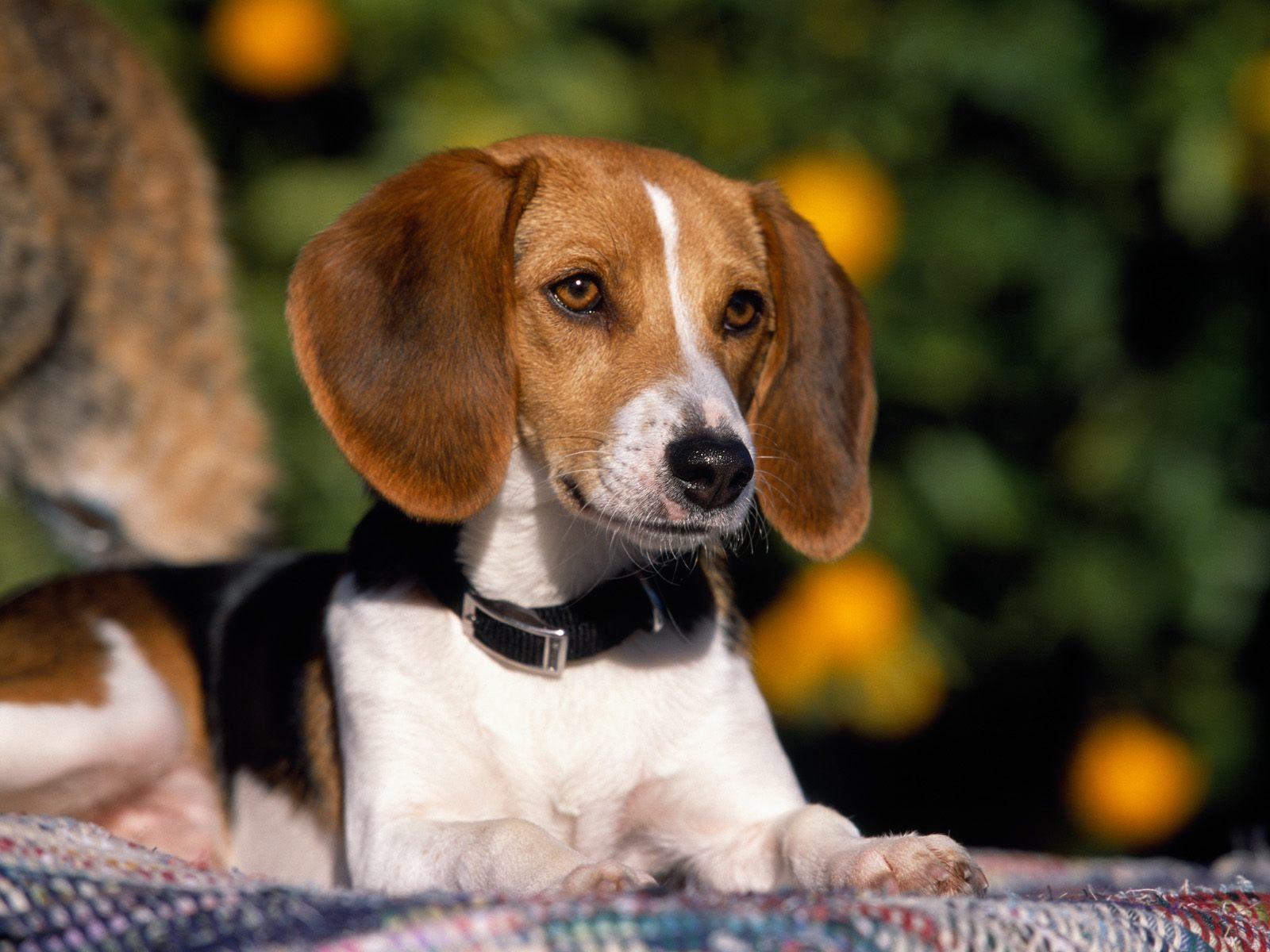
The Horgi's coat is a study in density. When you combine a Siberian Husky's Arctic-grade double coat with a Pembroke Welsh Corgi's weather-resistant working coat -- and compress it all into a compact, low-slung body -- you get something remarkable. And remarkably demanding.
Parent Coat Profiles
Pembroke Welsh Corgi: A medium-length, weather-resistant double coat. Dense undercoat with a longer, coarser outer coat. Developed for outdoor herding work in wet Welsh weather. Notorious for heavy shedding despite being a small breed.
Siberian Husky: A medium-length, plush double coat. Extremely dense undercoat with smooth guard hairs. Designed for Arctic survival. One of the heaviest-shedding breeds in existence.
Both breeds rank in the top 20 heaviest shedders. Your Horgi inherited shedding genes from both sides -- there was never a chance of a low-shedding outcome.
Horgi Coat Characteristics
Unlike many designer breeds with dramatic coat variation, Horgis are fairly consistent: virtually all have dense double coats. The variation is in degree and length.
Dense/Plush (Husky-Dominant)
About 35-40% of Horgis:
- Thicker, plushier texture
- More prominent ruff around neck
- Slightly longer overall length (2-3 inches)
- Heaviest shedding variant
- May have more dramatic color patterns (Husky markings)
Dense/Medium (Balanced - Most Common)
Approximately 40-45% of Horgis:
- Dense but lies flatter to the body
- Medium length (1.5-2.5 inches)
- Substantial undercoat
- Heavy shedding with seasonal intensification
- Corgi-proportioned coat distribution (slightly longer on rump and chest)
Dense/Shorter (Corgi-Dominant)
Roughly 15-25% of Horgis:
- Dense but shorter overall
- Lies closer to the body like a classic Corgi coat
- Less ruff and feathering
- Still heavy shedding (the density is still there)
- Most streamlined appearance
The Shedding Schedule
Horgis follow a predictable shedding pattern:
Year-round baseline: Moderate-to-heavy daily shedding. You will find hair everywhere, every day. This is the permanent state of living with a Horgi.
Spring blowout (3-4 weeks, typically March-May): The winter undercoat releases en masse. During this period, the shedding is genuinely extreme -- clumps come off with every touch, fur drifts around the house, and you cannot keep up with vacuuming alone.
Fall blowout (2-3 weeks, September-November): The lighter summer undercoat sheds to accommodate incoming winter density. Significant but usually less dramatic than spring.
Mini-sheds: Some Horgis experience smaller shedding upticks around seasonal transitions or after stressful events. Indoor Horgis in climate-controlled environments may shed more evenly year-round with less dramatic blowouts.
Veterinary dermatology research from Purdue University indicates that smaller double-coated breeds may actually shed more relative to body mass than larger counterparts, as their coat density per square centimeter is often higher.
Body-Specific Coat Concerns
The Horgi's unique body shape creates coat challenges specific to this breed:
Belly coat: The low ground clearance means belly fur contacts surfaces constantly. This creates:
- Faster matting from friction and moisture
- Debris collection (grass seeds, mud, burrs)
- Potential for contact dermatitis from ground-level irritants
- Need for regular belly-specific brushing and trimming
- Hygiene challenges
- Quick mat formation from movement friction
- Need for regular sanitary trimming
- Dry thoroughly after wet exposure
- Check for trapped debris
- This area mats quickly if neglected
Color and Marking Patterns
Horgis display beautiful color combinations drawing from both breeds:
- Red and white (Corgi classic)
- Black and white (Husky influence)
- Sable (from either parent)
- Gray/silver (Husky)
- Fawn/tan
- Tricolor (black, tan, white)
- Agouti or wolf-gray (rare, Husky)
Daily and Weekly Maintenance
Daily Routine (10-15 minutes)
Weekly Deep Session (25-35 minutes)
Blowout Season (20-25 minutes daily)
Tools for Horgi Owners
| Tool | Purpose | Essential? | |------|---------|------------| | Undercoat rake | Primary deshedding | Yes | | Slicker brush | Surface detangling | Yes | | Steel comb | Tangle detection | Yes | | Rubber curry brush | Pre-bath loosening | Recommended | | Grooming wipes | Belly/paw daily cleanup | Recommended | | Mat splitter | Emergency mat removal | Good to have |
Common Mistakes
Underestimating the coat: The Horgi's small size deceives owners into thinking maintenance will be minimal. It won't be.
Neglecting the underside: The belly, armpits, and inner thighs need as much attention as the topline -- more, given the ground contact.
Bathing too frequently: Over-bathing strips protective oils from the double coat. Every 6-8 weeks is sufficient unless genuinely dirty. Spot-clean between baths.
Skipping the pants: The rear feathering mats fast and creates hygiene problems. Make it part of every brushing session.
Your Horgi's coat is a marvel of density packed into a compact, adorable package. Respect its demands, stay consistent with maintenance, and your fluffy companion will stay healthy and comfortable through every season.
---
Ready to streamline your grooming workflow? PawOps Board Manager helps salons track every Horgi from check-in to pickup with real-time visibility. Start your free 30-day trial →
Related Reading: