Why Your Horgi Needs Professional Grooming
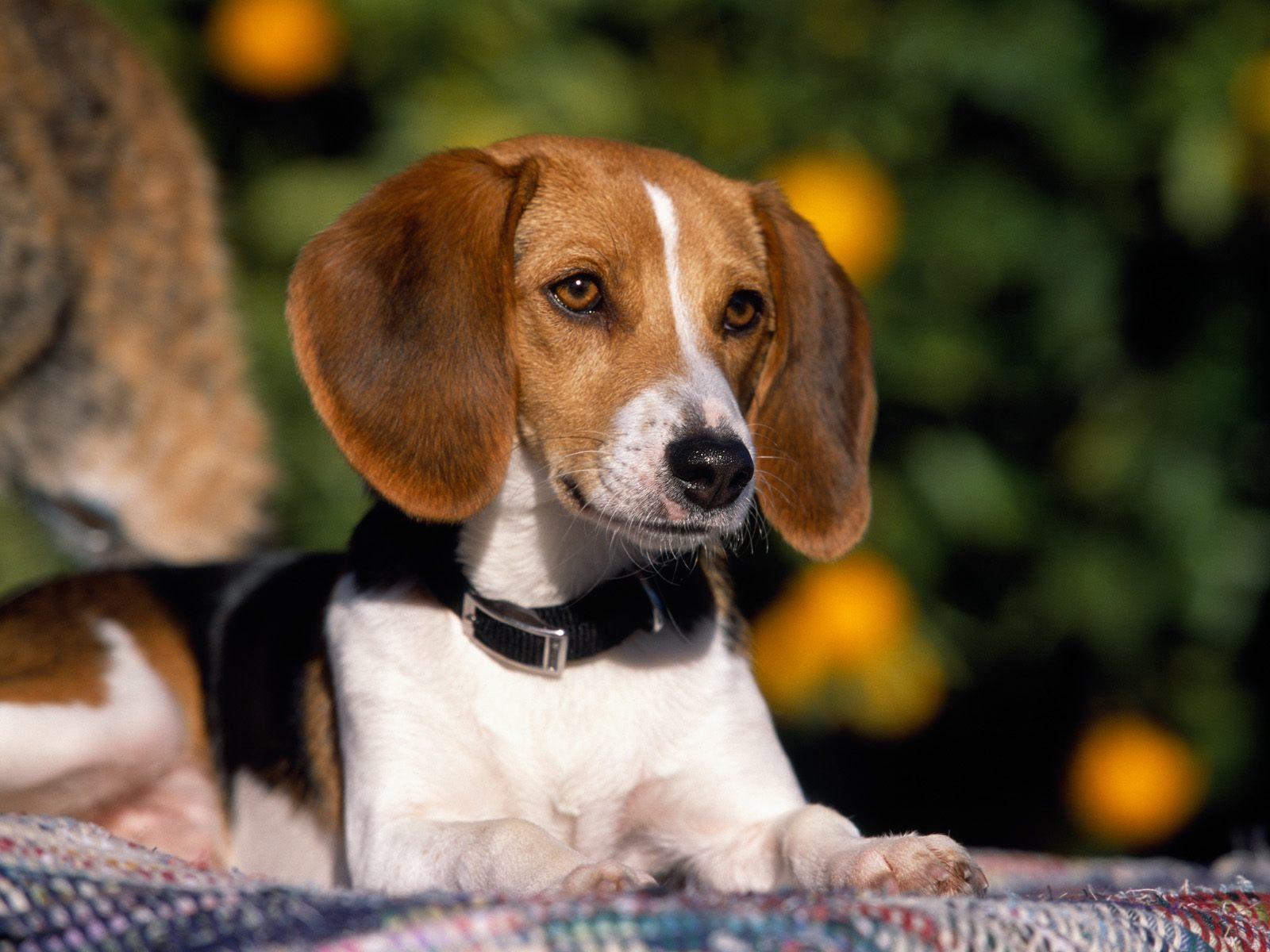
Don't let the compact size fool you -- your Horgi (Siberian Husky crossed with a Pembroke Welsh Corgi) has as much coat per square inch as dogs twice their size. Both parent breeds sport dense double coats designed for cold weather work, and your Horgi inherited every bit of that density packed into a smaller body.
Big Coat, Small Dog
The Horgi typically weighs 20-50 pounds but carries a coat density comparable to a full-sized Husky. Here's what makes this combination uniquely challenging:
Corgi coat: Dense, weather-resistant double coat. Despite being a smaller breed, Corgis have one of the thickest coats relative to body size in the herding group. Heavy seasonal shedding.
Husky coat: Dense, plush double coat designed for extreme cold. Heavy year-round shedding with dramatic seasonal blowouts.
Combined: your Horgi has an absurd amount of fur for their body size. The coat-to-body ratio is almost comical -- and it all needs maintenance. According to grooming industry data, Corgi mixes consistently rank in the top 25% of shedding breeds despite their smaller size.
Why Professional Grooming Is Essential
Undercoat density requires professional tools: The Horgi's packed undercoat needs high-velocity drying to remove dead fur effectively. A blow-out session removes dramatically more loose coat than any amount of home brushing. For a dog this dense, it's the single most effective grooming service.
Low body clearance creates unique issues: Horgis inherited the Corgi's long body and short legs. That low ground clearance means their belly coat drags through wet grass, mud, and debris. The underside mats faster than the topcoat and needs professional attention.
Rear end maintenance: The Corgi's fluffy "pants" (thick fur on the rear legs and behind) combined with the Husky's coat density creates a sanitary maintenance challenge. Professional trimming of this area prevents hygiene issues.
Skin check accessibility: Under a Horgi's dense coat, finding skin issues requires parting the fur systematically -- something groomers do during every bath. With their low body, Horgis are prone to belly-area contact dermatitis from ground-level irritants.
Professional nail care matters more: Corgis (and by extension Horgis) are prone to nail-related issues because their short legs and long bodies put specific stress on foot structure. Proper nail length is critical for this body type, and professional trimming ensures correct angles.
The Shedding Situation
Horgis shed. A lot. Year-round. With two massive blowout seasons that seem impossible for a dog their size. During peak shedding:
- You'll remove enough fur to create a second Horgi
- The undercoat comes out in sheets and clumps
- Home furniture and clothing become fur-covered
- Daily vacuuming barely keeps up
Professional Grooming Schedule for Horgis
- Full groom with deshedding: Every 6-8 weeks year-round
- During blowout season: Every 4-5 weeks, or one additional deshedding visit
- Nail trims: Every 4-6 weeks (critical for the Corgi body type)
- Sanitary trims: Every 6-8 weeks or as needed
The Never-Shave Rule (Yes, This Applies to Horgis)
Despite temptation (and there's plenty of it when fur tumbleweeds roll across your floor), never shave your Horgi. The double coat:
- Protects against sunburn (Horgis have exposed bellies close to hot ground)
- Regulates temperature in both directions
- May grow back incorrectly or patchy
- Provides insulation from ground heat (important for their low clearance)
Finding the Right Groomer
Look for:
- Experience with Corgis, Huskies, or both
- High-velocity drying equipment
- Comfortable table height for a low-profile dog
- Understanding of the body-type-specific needs (belly access, rear maintenance)
- Patience for dogs who may be dramatic about grooming (Horgis can inherit the Husky's theatrical nature)
---
Ready to streamline your grooming workflow? PawOps Board Manager helps salons track every Horgi from check-in to pickup with real-time visibility. Start your free 30-day trial →
Related Reading: