Understanding Your Icelandic Sheepdog's Coat: What Every Owner Should Know
Understanding Your Icelandic Sheepdog's Coat: What Every Owner Should Know
The Icelandic Sheepdog has survived more than a thousand years of volcanic eruptions, brutal winters, and near-extinction events. Through all of that, its coat evolved into one of the most functionally efficient protection systems in the canine world. Whether you have the longhaired or shorthaired variety, understanding this coat is essential to caring for it properly.
Two Varieties, One Purpose
The breed comes in two coat lengths, both designed for the same job -- weatherproofing a dog that works outdoors year-round in Iceland:
Longhaired Variety
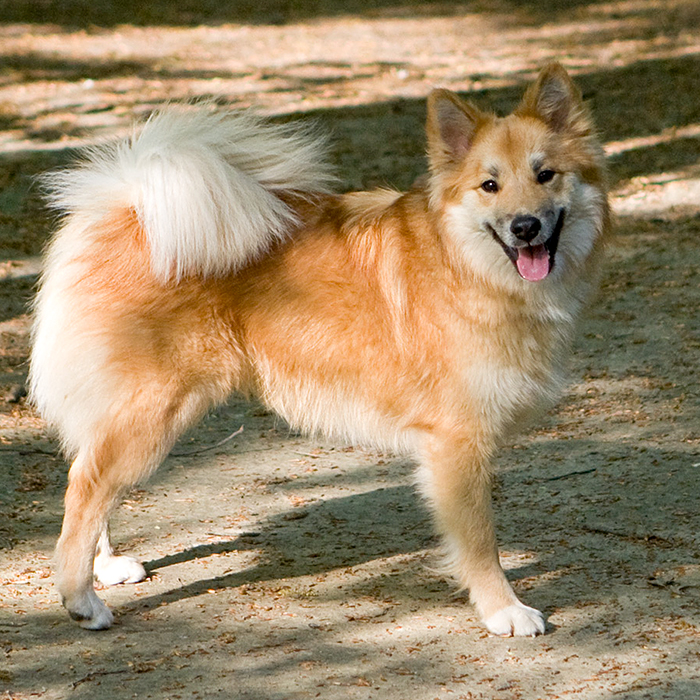
The outer coat is medium-length, coarse, and either straight or slightly wavy. It stands off the body rather than lying flat, giving the dog its characteristic fluffy silhouette. Profuse feathering develops on:- Ears: Long hair framing the upright, triangular ears
- Chest: A noticeable ruff or mane (especially prominent in males)
- Forelegs: Feathering on the backs of the front legs
- Thighs: Dense "pants" on the back of the hind legs
- Tail: A thick plume carried curled over the back
Shorthaired Variety
The outer coat is shorter overall with less feathering, but still carries a substantial undercoat. The silhouette is sleeker, but the coat density is comparable to the longhaired variety. Many first-time owners of shorthaired Icelandic Sheepdogs are surprised by how much coat their dog actually carries.Both varieties have the same dense, soft undercoat that provides insulation. The grooming difference is primarily in managing feathering -- longhaired dogs require more attention to tangles and mats in the feathered areas.
The Undercoat: Where the Real Work Lives
The undercoat is the defining feature of this breed's coat system. It is:
- Dense: Thick enough to make the outer coat stand upright
- Soft: Fine, woolly texture that traps air for insulation
- Seasonal: Thickens dramatically in winter, thins in summer
- Relentless: Sheds year-round at a moderate rate, with dramatic seasonal blows
Research from the Icelandic Kennel Club (HRFI) notes that the breed's undercoat density is comparable to Arctic breeds like the Alaskan Malamute, despite the Icelandic Sheepdog's much smaller size. This means a 25-pound dog produces shedding volume you would expect from a much larger animal.
Shedding: The Twice-Yearly Event
The Spring Blow
Starting in March or April (varying by climate), the winter undercoat releases. This is not subtle. Over 2-4 weeks:- Loose undercoat comes out in handfuls
- The dog may look patchy or moth-eaten as sections release at different rates
- Hair accumulates on every surface of your home
- The volume is astonishing -- enough to stuff a pillow from a single session
The Fall Transition
In September through November, the lighter summer undercoat sheds to allow the dense winter coat to grow in. Less dramatic than spring, but still significant enough to require increased brushing for 2-3 weeks.Year-Round Shedding
Between the major seasonal events, Icelandic Sheepdogs shed moderately. Daily hair on clothing and furniture is normal. Regular brushing 3-4 times weekly keeps this manageable.Pro tip: Dogs living primarily indoors with artificial lighting may shed more evenly throughout the year rather than in concentrated seasonal bursts. The coat responds to light cycles more than temperature.
Color and Markings
Icelandic Sheepdogs come in several color patterns, all with white markings:
- Tan/Gold: The most common and recognizable color. Rich warm tones ranging from light cream to deep red-gold.
- Chocolate Brown: Rich liver coloring that can lighten with sun exposure.
- Black: Solid black with white markings. Can appear slightly bluish in certain light.
- Gray: Various shades from light silver to dark charcoal.
- Cream: Very pale coloring, sometimes nearly white on the body.
Coat texture does not vary significantly between colors, though lighter-colored dogs may have a marginally softer outer coat.
Common Coat Issues and What They Mean
Matting
Where: Behind ears, armpits, groin, pants feathering (longhaired variety), base of tail. Why: Dead undercoat tangles with living coat when not removed. Moisture accelerates the process. Fix: Regular brushing with an undercoat rake, plus professional de-shedding every 6-8 weeks. Mats that have tightened to the skin need professional removal.Dull, Flat Coat
What it looks like: The coat lies flat against the body instead of standing off, and lacks its natural luster. Common causes: Over-bathing with harsh products, nutritional deficiency (especially omega fatty acids), or a health issue. Fix: Reduce bathing frequency, switch to gentle pH-balanced shampoo, supplement with fish oil (veterinary guidance on dosage), and have bloodwork done if the issue persists.Excessive Shedding Outside Normal Cycles
What it looks like: Heavy shedding during non-seasonal periods, or shedding that seems disproportionate. Common causes: Stress, allergies, hormonal imbalances (thyroid), or dietary issues. Fix: Consult your veterinarian. Abnormal shedding is often a symptom of an underlying condition that needs diagnosis.Hot Spots
What they are: Red, inflamed, oozing patches of skin that appear suddenly under the coat. Why Icelandic Sheepdogs get them: Dense undercoat traps moisture against the skin, especially in warm/humid weather or after swimming. Prevention: Thorough drying after any water exposure, regular undercoat removal, and keeping the coat well-ventilated through professional grooming.The Care Calendar
3-4 Times Weekly (15 minutes):
- Undercoat rake through the body, focusing on dense areas
- Slicker brush through feathering (longhaired variety)
- Metal comb through behind-ear and armpit areas to check for tangles
- Ear check for debris, odor, or wax buildup
- Quick paw pad inspection
- Run hands through the entire coat feeling for mats or lumps
- Full bath and high-velocity blow-dry
- Comprehensive de-shedding
- Feet trimming, sanitary cleanup
- Ear cleaning, nail trimming
- Daily brushing during coat blow
- 1-2 extra professional de-shedding sessions
- Increased attention to the transition zones where feathering meets body coat
Tools for Icelandic Sheepdog Owners
- Undercoat rake (rotating teeth): Primary tool for the dense undercoat. Rotating teeth reduce pulling and pain.
- Slicker brush: For outer coat and feathering maintenance.
- Metal greyhound comb: For checking thoroughness and working through specific tangles.
- Pin brush: Gentle option for daily face and ear area maintenance.
- High-absorbency towels: For initial drying after outdoor water exposure.
The Coat Tells a Story
A healthy Icelandic Sheepdog coat is lustrous, stands off the body with visible density, and feels coarse-to-touch on the outer layer with soft density underneath. When the coat looks right, the dog feels right.
Dullness, patchiness, or texture changes are signals -- nutritional, medical, or grooming-related -- that something needs attention. Learn to read your dog's coat the way Icelandic farmers have for centuries: as a health indicator that speaks before symptoms appear.
---
Ready to streamline your grooming workflow? PawOps Board Manager helps salons track every Icelandic Sheepdog from check-in to pickup with real-time visibility. Start your free 30-day trial →
Related Reading: