Why Your Irish Wolfhound Needs Professional Grooming
Why Your Irish Wolfhound Needs Professional Grooming
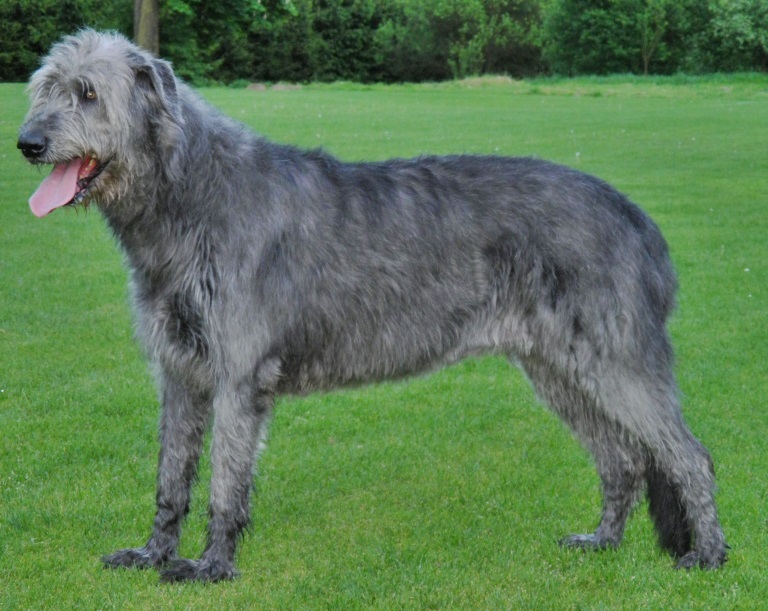
The Irish Wolfhound is the tallest of all dog breeds, standing up to 35 inches at the shoulder and weighing 105-180 pounds. That sheer size alone makes grooming a different experience. But the irish wolfhound professional grooming conversation goes beyond size — this breed has a rough, wiry double coat that requires specific techniques to maintain properly.
Here's why professional grooming matters for the gentle giant in your life.
The Rough Coat Reality
The Irish Wolfhound's coat is described as "rough and hard" by the AKC breed standard, with a wiry outer coat and a softer undercoat. It's designed for protection — historically, these dogs worked in harsh Irish weather, and their coat shielded them from cold, rain, and rough terrain.
That protective coat needs maintenance to keep functioning. Without regular grooming:
- The undercoat compacts against the skin, reducing airflow
- The wiry outer hairs become brittle and break rather than lying flat
- Dead coat accumulates, giving the dog a dull, scruffy appearance
- Debris gets trapped in the coat during outdoor time and stays there
Size Changes Everything
Let's be honest about what "professional grooming" means when your dog weighs more than many adult humans.
Grooming an Irish Wolfhound requires:
- A large-dog grooming table or floor setup: Standard grooming tables can't safely hold a Wolfhound. Many groomers use hydraulic tables rated for giant breeds, or groom on the floor.
- Industrial drying equipment: Drying a Wolfhound with a standard dryer takes an eternity. High-velocity dryers are essential, and even then, drying takes 30-45 minutes.
- Extended appointment time: A full Irish Wolfhound groom takes 2-3 hours depending on coat condition.
- Physical strength and stamina: This is a demanding groom. Not every groomer is equipped — physically or in terms of facilities — to handle it.
What a Professional Irish Wolfhound Groom Includes
A thorough Wolfhound grooming session covers:
Hand-stripping or carding: Removing dead outer coat to encourage healthy new growth. This maintains the wiry texture that defines the breed. Some groomers use stripping knives; others prefer carding tools. Either way, it's skilled work that takes time on a dog this size.
Undercoat removal: Using an undercoat rake or coat king to remove loose undercoat without damaging the outer coat. Especially important during spring and fall when the undercoat blows.
Bathing: Giant-breed bathing is a two-person job in many salons. Getting a Wolfhound coat thoroughly wet, properly shampooed, and completely rinsed takes patience and a lot of water.
Drying: Complete drying is critical. The Wolfhound's thick coat holds moisture deep inside, and if you send a Wolfhound home damp, you're inviting skin problems. Professional high-velocity drying ensures the coat is dry all the way to the skin.
Tidying and trimming: Cleaning up the feet, trimming excess hair between paw pads, tidying around the ears, and general coat shaping. The Wolfhound isn't supposed to look sculpted — the natural, rough appearance is part of the breed's character — but tidying keeps things functional.
Ear cleaning: Those rose-shaped ears fold back, and the interior can collect wax and debris. Regular cleaning prevents infection.
Nail trimming: Wolfhound nails are thick and grow fast. Many owners struggle with nail trims at home because of the dog's size. Professional groomers have the tools and technique to handle it efficiently.
Health Issues That Grooming Helps Catch
Irish Wolfhounds have breed-specific health concerns that a vigilant groomer can help monitor:
- Skin fold issues: Despite their lean build, some Wolfhounds develop irritation in areas where skin folds during movement, particularly around the elbows and hocks.
- Hygroma: Fluid-filled swellings on pressure points, especially elbows. A groomer who handles Wolfhounds regularly will notice these early.
- Osteosarcoma awareness: While grooming can't diagnose bone cancer, swelling or sensitivity in the limbs noticed during handling prompts veterinary attention.
- Skin parasites: The thick coat provides excellent cover for ticks and fleas. A full grooming session exposes the skin for inspection.
Finding a Giant-Breed Groomer
Not every grooming salon can accommodate an Irish Wolfhound. Before booking, confirm:
- Can your facility safely handle a dog of 120+ pounds?
- What equipment do you use for giant breeds? (Look for hydraulic tables, large tubs, high-velocity dryers)
- Do you have experience with wire-coated giant breeds specifically?
- What's your appointment length for an Irish Wolfhound?
- Is your pricing structured for the time giant breeds require?
The Home Care Component
Between professional grooms, Wolfhound owners should:
- Brush the entire coat weekly with a slicker brush and follow with a greyhound comb
- Run a stripping knife or carding tool through the coat every 2 weeks to manage dead hair
- Check ears weekly for debris or odor
- Wipe the beard area after meals (these dogs drool, and the beard catches everything)
- Inspect paws for debris trapped between pads
Your Irish Wolfhound's coat is a working coat with a purpose. Professional grooming keeps it doing its job — protecting your dog while keeping them comfortable and healthy.
---
Ready to streamline your grooming workflow? PawOps Board Manager helps salons track every Irish Wolfhound from check-in to pickup with real-time visibility. Start your free 30-day trial →
Related Reading: