Why Your Italian Greyhound Needs Professional Grooming (It Is Not Just About the Coat)
Why Your Italian Greyhound Needs Professional Grooming (It Is Not Just About the Coat)
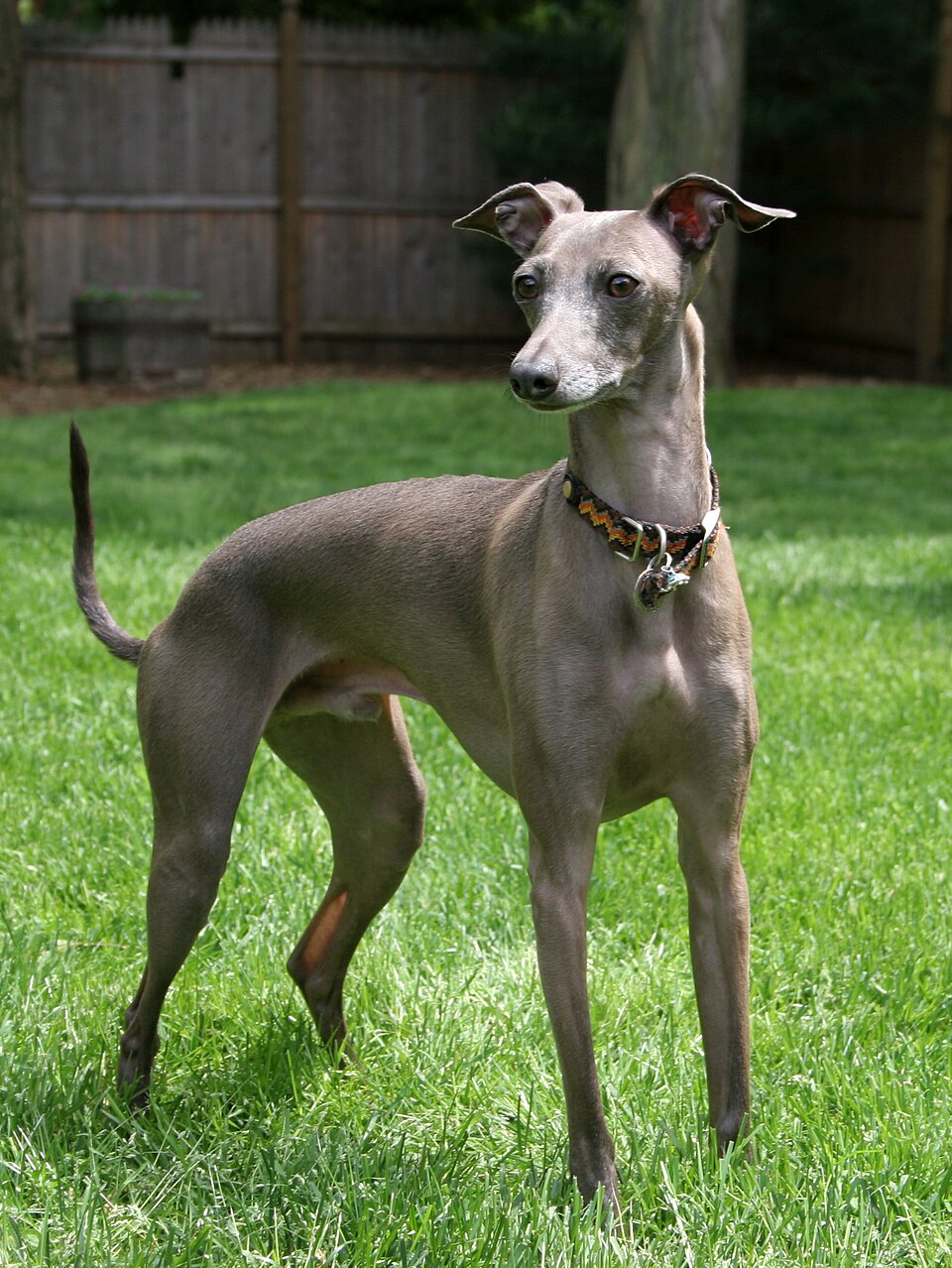
Italian Greyhounds have one of the shortest, sleekest coats in the entire dog world. So when someone suggests professional grooming, the reaction is usually the same: "Grooming? For what? There is barely any fur to groom."
Fair point on the surface. But professional grooming for an Italian Greyhound has almost nothing to do with coat styling and everything to do with the health needs that hide behind that sleek exterior. This is a breed with thin skin, fragile bones, dental vulnerabilities, and nails that grow faster than you think. A groomer who knows Italian Greyhounds is not there for a haircut. They are there for everything else.
The Italian Greyhound Coat: Simple But Not Zero Maintenance
Let us start with the coat itself, since it is the reason people assume grooming is unnecessary.
The Italian Greyhound has a single-layer coat of very short, fine hair that lies flat against the body. There is no undercoat. Shedding is minimal -- you might find a few hairs on your clothes, but you will never deal with tumbleweeds of fur rolling across the floor.
So far, so easy. But here is what the short coat actually means for your dog:
- The skin is almost fully exposed. That thin layer of fine hair provides minimal protection against sun, cold, abrasions, and irritants.
- Skin issues show up fast -- or hide in plain sight. Dry patches, rashes, and minor cuts can look like nothing when the hair is this short, until they become something.
- The coat traps very little natural oil, which means the skin can dry out or become irritated without regular bathing and conditioning.
The Real Reasons Italian Greyhounds Need a Groomer
Nail Care Is Non-Negotiable
This is the single most important grooming task for an Italian Greyhound, and it is the one most often neglected.
Italian Greyhounds have thin, delicate legs and feet. Their nails grow relatively quickly, and because many Iggies spend more time on soft surfaces indoors than pounding pavement, the nails do not wear down naturally. Overgrown nails on an Italian Greyhound are not just unsightly -- they are dangerous.
The breed is prone to leg fractures. The Italian Greyhound Club of America identifies leg breaks as one of the breed's most significant health concerns, with fractures most commonly occurring in dogs under two years old. Overgrown nails change the way the foot contacts the ground, altering gait mechanics and putting stress on those already fragile leg bones. A professional groomer trims or grinds nails to the proper length every visit, keeping the quick receded and the foot in proper alignment.
Dental Health Matters Here More Than Most Breeds
Italian Greyhounds are notorious for dental problems. The breed is genetically predisposed to early tooth decay, periodontal disease, and tooth loss. Veterinary dental surveys consistently rank sighthound breeds, including Italian Greyhounds, among the top breeds requiring dental intervention.
While dental care is ultimately a veterinary matter, professional groomers who work with Italian Greyhounds routinely include teeth brushing and oral inspection as part of the grooming session. They catch tartar buildup, inflamed gums, and loose teeth early -- often before the owner notices any issue.
Skin Assessment and Bathing
An Italian Greyhound's skin is thin and sensitive. Without a dense coat to buffer environmental contact, the skin deals directly with:
- Fabrics and bedding materials
- Grass, pollen, and outdoor allergens
- Household chemicals and cleaning products
- Temperature extremes
They also check for common Italian Greyhound skin issues: color dilution alopecia (particularly in blue and fawn Iggies), dry patches, allergic reactions, and any lumps or lesions.
Ear Cleaning
Italian Greyhounds have rose-shaped ears that fold back, exposing the inner ear canal to debris and air. While this ear shape is less prone to infection than floppy-eared breeds, regular cleaning prevents wax buildup and catches early issues. Groomers include this as standard practice.
Anal Gland Expression
Small breeds frequently need anal gland expression, and Italian Greyhounds are no exception. Left unattended, impacted anal glands cause discomfort, scooting, and potential infection. Most professional groomers check and express the glands as part of a full-service appointment.
What Happens When You Skip the Groomer
Because the Italian Greyhound looks clean and tidy without effort, it is easy to let grooming appointments slide indefinitely. Here is what accumulates:
- Nails get dangerously long. The quick grows with the nail, making future trimming more difficult and painful. Long nails on a breed prone to fractures is a genuine safety hazard.
- Dental disease progresses silently. By the time you notice bad breath or a reluctance to eat, significant damage has already occurred.
- Skin conditions escalate. A small dry patch becomes widespread irritation. An allergic reaction you might have caught early becomes a chronic issue.
- The dog becomes hand-shy. Iggies that are not handled regularly by a groomer can become anxious about having their feet, ears, and mouth touched, making each subsequent visit more stressful.
How Often Does an Italian Greyhound Need Professional Grooming?
| Service | Recommended Frequency | |---------|----------------------| | Full grooming session (bath, nails, ears, teeth, skin check) | Every 4-6 weeks | | Nail trim only (between full sessions) | Every 2-3 weeks | | Dental check and brushing | Every grooming visit |
The four-to-six-week schedule might surprise you for a short-coated breed, but remember: you are not paying for coat work. You are paying for the complete health maintenance that this particular breed needs.
A Surprising Fact About Italian Greyhound Grooming
Here is one that most people do not know: Italian Greyhounds can suffer from a condition called color dilution alopecia (CDA), which causes hair thinning and skin problems specifically in dogs with diluted coat colors like blue, blue fawn, and certain shades of gray. It is linked to the same gene that creates those elegant dilute colors. Dogs with CDA may develop dry, flaky skin and patchy hair loss that requires ongoing skincare -- not unlike what Hairless breeds need. A groomer familiar with Italian Greyhounds recognizes CDA signs early and adjusts the grooming protocol with moisturizing treatments and gentle products before the condition worsens.
Choosing the Right Groomer for Your Italian Greyhound
Italian Greyhounds need a groomer who understands small, sensitive sighthounds:
- Gentle handling is essential. These are not sturdy dogs. Rough handling, loud dryers, or careless restraint can injure them or create lasting anxiety.
- Experience with thin-skinned breeds matters. The groomer should know appropriate water temperature, shampoo choices, and drying methods.
- Nail expertise is critical. Ask about their approach to nail trimming on fine-boned toy breeds. Grinding is often preferable to clipping for Italian Greyhounds.
- Low-stress environment. Many Iggies do best in quiet, calm grooming settings rather than busy, noisy shops.
Professional Grooming Is Preventive Medicine
For an Italian Greyhound, a grooming appointment is closer to a wellness check than a beauty treatment. The groomer is the professional who sees your dog's skin, nails, teeth, and ears up close on a regular schedule -- often more frequently than your vet. They catch small problems before they become expensive ones. For a breed with the Italian Greyhound's specific vulnerabilities, that regular set of trained eyes is worth every penny.
PawOps helps grooming salons assess every breed based on actual care needs, not just coat length -- so your Italian Greyhound gets the comprehensive attention this breed requires, properly priced for the real work involved.