Understanding Your Jack Russell Terrier's Coat: What Every Owner Should Know
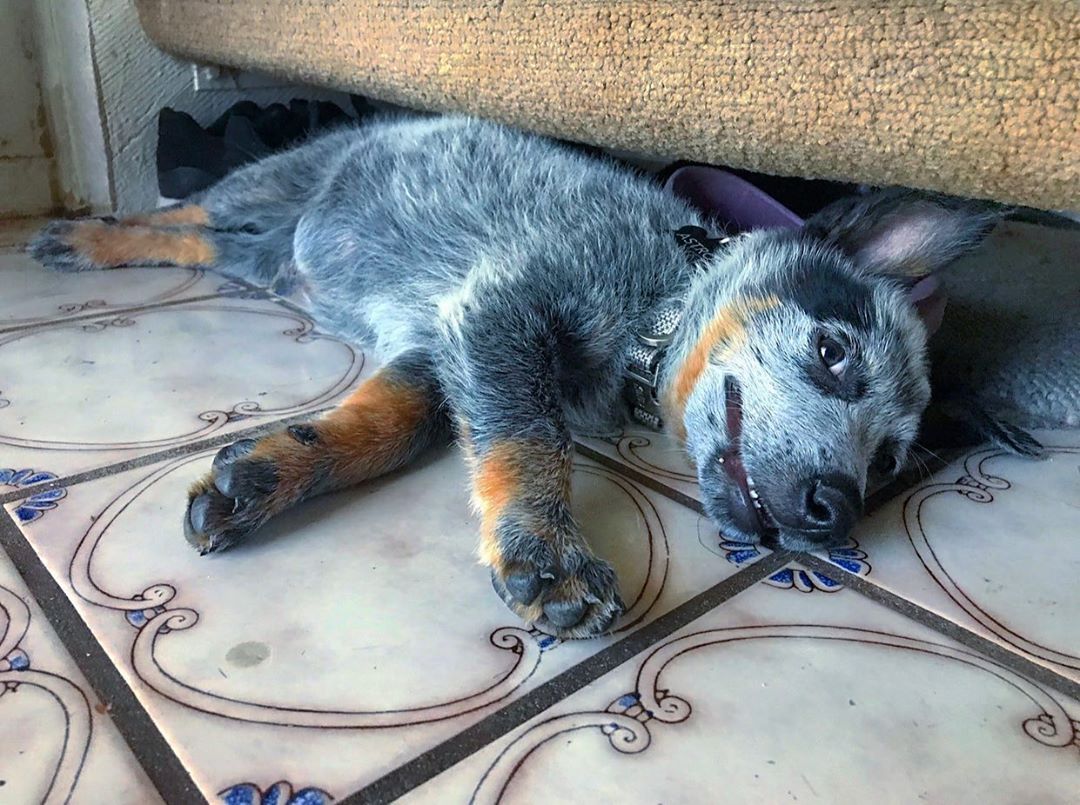
The Jack Russell Terrier's coat is one of the most misunderstood features of this breed. People see a small, short-haired dog and assume grooming is a non-issue. Then they find white hair on every surface in their home and realize there's more going on than meets the eye.
Understanding your JRT's coat type isn't just grooming trivia -- it directly affects how you maintain it, what products you use, and whether your groomer needs specialized skills.
Three Coat Types, One Breed
The Jack Russell Terrier comes in three distinct coat varieties, all of which are correct for the breed standard:
Smooth Coat
The smooth coat lies flat against the body and feels dense and sleek to the touch. It's the shortest of the three types but don't let that fool you -- smooth-coated JRTs shed heavily. The hairs are short, stiff, and have a special talent for embedding themselves in upholstery.
Smooth coats have the same double-coat structure as the other varieties. The undercoat is dense and insulating, while the outer coat provides weather protection.
Broken Coat
A broken coat is a mix of smooth and rough. Some areas lie flat while others have longer, wiry hair that stands slightly away from the body. You'll often see longer hair around the face (forming eyebrows and a slight beard), on the legs, and along the body.
This is probably the most common coat type seen in pet JRTs. It requires a combination of grooming techniques -- some areas need stripping while others are maintained like a smooth coat.
Rough Coat
The rough coat is the longest and most textured. The entire body is covered in wiry, harsh-textured hair that stands away from the body. These dogs often have pronounced facial furnishings -- bushy eyebrows, a defined beard, and longer leg hair.
Rough coats require the most maintenance and grooming expertise, particularly hand-stripping to maintain proper texture.
The Double Coat: What It Does and Why It Matters
All three JRT coat types share a double-coat structure. This isn't just about how the dog looks -- it's functional engineering developed over centuries of breeding.
The undercoat is soft, dense, and sits close to the skin. Its job is temperature regulation. It insulates in winter and actually helps keep the dog cool in summer by creating an air layer between skin and environment.
The outer coat (guard hairs) is harsher, longer, and weatherproof. These hairs repel water, block UV rays, and protect against brush and brambles -- essential for a dog bred to work in fields and burrows.
A 2023 study published in the Journal of Veterinary Dermatology confirmed that double-coated breeds with properly maintained coats showed 40% better thermoregulation than those with damaged or shaved coats.
Why You Should Never Shave a Jack Russell
This is the single most important coat-care message for JRT owners: never shave your Jack Russell's coat.
Shaving removes both the protective outer coat and the insulating undercoat. Contrary to popular belief, this does NOT help your dog stay cool in summer. Instead:
- The skin loses UV protection (JRTs are prone to sunburn, especially white areas)
- Temperature regulation is compromised
- The coat may grow back differently -- softer, patchy, or with altered texture
- The dog is more vulnerable to insect bites and skin irritation
Hand-Stripping vs. Clipping: The Texture Debate
For broken and rough coat JRTs, the grooming method you choose has permanent consequences.
Hand-stripping removes dead hair from the root, allowing new, correctly textured hair to grow in. The coat maintains its harsh, wiry feel and its weather-resistant properties. Colors stay vibrant.
Clipping cuts the hair at the surface, leaving the dead root in the follicle. Over time, this causes:
- Coat softening (loses the harsh texture)
- Color fading (especially in tan/brown markings)
- Loss of weather resistance
- A "cotton wool" appearance
Seasonal Changes in Your JRT's Coat
Jack Russells go through two major coat transitions annually:
Spring blow (March-May): The heavy winter undercoat sheds out as temperatures rise. This is the heaviest shedding period and can last 2-4 weeks.
Fall transition (September-November): The summer coat sheds to make room for denser winter undercoat growth.
During these transitions, daily brushing helps manage the volume of loose hair. Professional deshedding treatments at the start of each blow can remove up to 80% of the loose undercoat in a single session.
Daily and Weekly Coat Maintenance
Between professional grooming sessions, here's what works:
Smooth coats: Brush 2-3 times per week with a rubber curry brush or hound glove. This removes loose hair and distributes skin oils.
Broken coats: Brush 3-4 times per week. Use a slicker brush on the longer sections and a bristle brush on smooth areas. Check for mats behind ears and on legs.
Rough coats: Daily brushing is ideal. A pin brush for the body, slicker brush for legs and facial hair. Regular combing to prevent tangles in the furnishings.
Common Coat Problems in Jack Russells
Know what to watch for:
Excessive shedding outside seasonal norms: Could indicate allergies, poor nutrition, or thyroid issues.
Coat thinning or bald patches: Warrants a vet visit. JRTs are susceptible to pattern baldness and certain autoimmune conditions.
Greasy or dull coat: Often nutrition-related. Omega-3 fatty acids improve coat health significantly.
Color changes: In rough/broken coats, this often indicates the coat has been clipped rather than stripped.
Choosing Products for Your JRT's Coat
Not all dog shampoos work for Jack Russells. Look for:
- pH balanced for dogs (5.5-7.5)
- No harsh sulfates that strip natural oils
- For rough/broken coats: texturizing shampoos that maintain wire texture
- For smooth coats: gentle cleansing formulas that don't overdry
- Avoid heavy conditioners on rough coats (they soften the texture)
The Takeaway
Your Jack Russell's coat is a precision-engineered system, not just decoration. Understanding which type your dog has -- and maintaining it with the right techniques -- keeps your JRT comfortable, protected, and looking their terrier best. When in doubt, find a groomer who specializes in terrier coat work. Your JRT's coat will thank you.
---
Ready to streamline your grooming workflow? PawOps Board Manager helps salons track every Jack Russell Terrier from check-in to pickup with real-time visibility. Start your free 30-day trial →