Understanding Your Japanese Chin's Coat: A Complete Owner's Guide
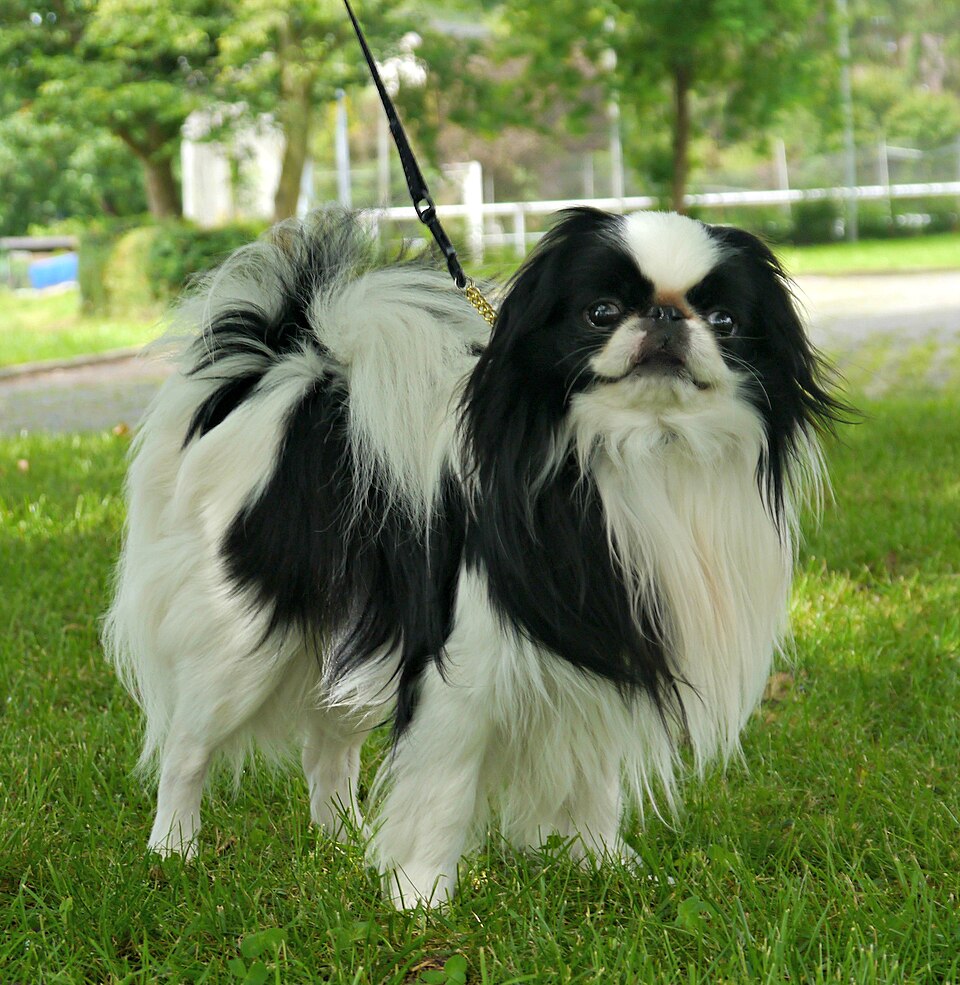
Understanding Your Japanese Chin's Coat: A Complete Owner's Guide
The Japanese Chin's coat is one of the most distinctive features of the breed, and honestly, it is one of the most misunderstood. Owners often assume that because the Chin is a small dog, coat care is simple. But this breed has a unique coat structure that does not behave like most other toy breeds. Understanding how your Chin's coat actually works will change the way you care for it -- and save you a lot of frustration.
What Makes the Japanese Chin Coat Unique
The Japanese Chin has a single-layer silky coat. This is worth pausing on because it sets this breed apart from the vast majority of small dogs.
Most toy breeds have either a double coat (like the Pomeranian, with a dense undercoat and a longer outer coat) or a wiry texture (like many terriers). The Chin has neither. Its coat is a single layer of fine, straight, silky hair that lies relatively flat against the body with longer feathering on the ears, chest, tail, and legs.
This single-coat structure means several things for you as an owner:
- Less overall shedding than double-coated breeds -- no seasonal coat blowouts
- More prone to tangling -- without an undercoat to provide structure, the silky hairs slide against each other and knot easily
- Less insulation -- your Chin feels temperature changes more acutely than double-coated dogs of similar size
- Easier to bathe -- the coat dries faster and does not trap water the way dense undercoats do
The Anatomy of a Japanese Chin Coat
Let us get specific about what grows where, because this affects how you care for each area.
The Body Coat
The main body coat is moderately long, straight, and silky. It should have a slight natural sheen when healthy. The texture is similar to human hair -- which is why it tangles in similar ways. On a well-groomed Chin, the body coat flows smoothly and does not puff out.
Ear Feathering
The ears carry long, heavy feathering that is the breed's most tangle-prone area. This feathering can reach several inches in length and hangs down from the ear leather. Because the ears move constantly (Chins are expressive dogs), this hair rubs against the neck and jaw, creating mats.
Chest Ruff
The chest has a pronounced ruff of longer hair -- almost mane-like in mature adults. This ruff is one of the breed's signature features and requires regular brushing to maintain its shape.
Rear Pants and Tail
The hindquarters and tail carry abundant feathering. The tail, which curls over the back, has a plume of long hair that fans out. This is gorgeous when maintained and a tangled disaster when neglected.
Paw Feathering
Hair grows between and around the paw pads and extends between the toes. This feathering needs regular trimming to prevent slipping on smooth floors and to keep debris from collecting.
The Japanese Chin Shedding Pattern
Here is where the Chin surprises people. Despite having a single coat, they do shed. It is just different from what most dog owners expect.
Japanese Chins shed lightly and consistently rather than in dramatic seasonal blowouts. You will find fine silky hairs on your clothes and furniture year-round, but you will never experience the fur tumbleweeds that Husky or Pomeranian owners deal with.
A surprising fact: according to breed surveys, Japanese Chin owners report spending an average of 15 to 20 minutes per week on coat maintenance between grooming sessions -- significantly less than most long-coated breeds. The coat's single-layer structure makes brushing faster, even though the tangles require more attention when they form.
Female Chins that are not spayed may experience a more noticeable shed after a heat cycle. Spayed females and males maintain a more consistent shedding pattern throughout the year.
How to Care for Your Japanese Chin's Coat at Home
Professional grooming every four to six weeks handles the heavy lifting, but what you do between those visits matters enormously.
Brushing: The Non-Negotiable
Brush your Chin two to three times per week using a pin brush or a wide-tooth comb. Avoid slicker brushes with metal bristles -- they can break the fine silky hair and scratch the skin.
Focus on these areas in order:
If you hit a tangle, do not pull through it. Hold the hair above the tangle (closer to the skin) and work the knot out with your fingers or the end of a comb. Pulling mats through silky coat breaks the hair and hurts.
Bathing at Home
You can bathe your Chin between grooming sessions if needed, but keep these points in mind:
- Use a gentle, moisturizing shampoo -- avoid anything with harsh sulfates
- Always condition -- a light conditioner helps prevent tangling as the coat dries
- Blow dry on cool or low heat -- never let a Chin air dry completely; the damp hair will mat as the dog moves around
- Brush before bathing -- never bathe a matted coat; water tightens mats and makes them nearly impossible to remove
Environmental Factors
Your Chin's coat responds to its environment more than you might realize:
- Dry indoor air (winter heating) makes the coat static-prone and more likely to tangle. A humidifier helps.
- Humidity can cause the coat to lose its sleek appearance and become wavy. This is cosmetic, not a health concern.
- Sun exposure can lighten dark coats over time. If your Chin spends a lot of time outdoors, the black portions of the coat may develop a reddish tint.
- Diet directly affects coat quality. A diet rich in omega-3 and omega-6 fatty acids produces a shinier, more resilient coat.
Common Japanese Chin Coat Problems
Tear Staining
The Chin's flat face and prominent eyes make tear staining common. The reddish-brown staining below the eyes is caused by porphyrins in the tears. Regular cleaning with a damp cloth and keeping the facial hair trimmed helps manage this.
Contact Matting
Areas where the coat rubs against the body -- behind the ears, under the collar, between the front legs -- mat faster than exposed areas. Remove collars when your Chin is indoors and check these friction zones daily.
Thin Coat or Bald Patches
If your Chin's coat is thinning or developing bald spots, see your vet. This can indicate thyroid issues, allergies, or nutritional deficiencies. A healthy Chin should have a full, even coat.
When the Japanese Chin Coat Changes
Puppies do not have their adult coat. Japanese Chin puppies have a shorter, softer coat that begins transitioning to the adult texture around six to eight months. The full adult coat, with its characteristic feathering, usually does not come in completely until 18 to 24 months.
Do not panic if your young Chin looks scraggly during the transition. That awkward adolescent coat phase is completely normal.
Senior Chins may experience coat changes too -- slightly thinner feathering, a duller sheen, or slower regrowth after trimming. Adjusting their diet and grooming frequency can help maintain coat quality as they age.
PawOps tracks coat condition and grooming history for every pet, helping salons deliver consistent, breed-appropriate care visit after visit.