Understanding Your Jindo's Coat: What Every Owner Should Know
Understanding Your Jindo's Coat: What Every Owner Should Know
The Korean Jindo's coat is a product of natural selection on a small island off the Korean coast. For centuries, these dogs developed their coat without human intervention in the breeding process, resulting in a double coat perfectly calibrated to Korea's demanding four-season climate. Understanding this coat -- its quirks, its cycles, its remarkable self-maintaining properties -- makes you a better Jindo owner.
The Self-Cleaning Coat
The Jindo's reputation for cleanliness is not an exaggeration. The outer coat has a texture and oil distribution that actively resists soiling. The individual guard hairs have a smooth, tight cuticle that prevents dirt particles from embedding. When a Jindo gets muddy, the mud dries and typically flakes or shakes off, leaving the coat surprisingly clean.
This self-cleaning property is enhanced by the Jindo's own grooming behavior. Jindos are known for fastidious self-grooming -- they lick their coats, clean their paws, and avoid soiling themselves. Many Jindo owners compare the behavior to cats.
However, "self-cleaning" does not mean "self-maintaining." The outer coat takes care of surface dirt, but the undercoat requires human intervention. Dead undercoat accumulates regardless of how clean the outer coat looks, and only brushing and professional grooming can remove it.
Coat Architecture
The Outer Coat: Stiff, straight guard hairs approximately 1.5-2 inches long on the body. The texture is medium-harsh -- not as wiry as a terrier but firmer than a retriever. The hairs stand slightly off the body, creating a clean, efficient silhouette. The outer coat is shortest on the face, front of the legs, and ears. It is longest on the neck (creating a moderate ruff), on the tail (forming a thick, curved plume), and on the backs of the thighs.
The Undercoat: Dense, soft, and approximately half the length of the outer coat. The undercoat is uniformly distributed across the body, with slightly more density on the chest, shoulders, and thighs. This layer provides the insulation that allows Jindos to thrive in temperatures ranging from below freezing to tropical heat.
The two layers work together as a system. The outer coat sheds water and blocks wind. The undercoat traps air for insulation. When both layers are properly maintained, the system is remarkably effective. When the undercoat becomes packed with dead hair, the system breaks down -- insulation decreases, skin ventilation stops, and the dog overheats.
Color Varieties
Jindos come in several recognized colors, each with slightly different coat characteristics:
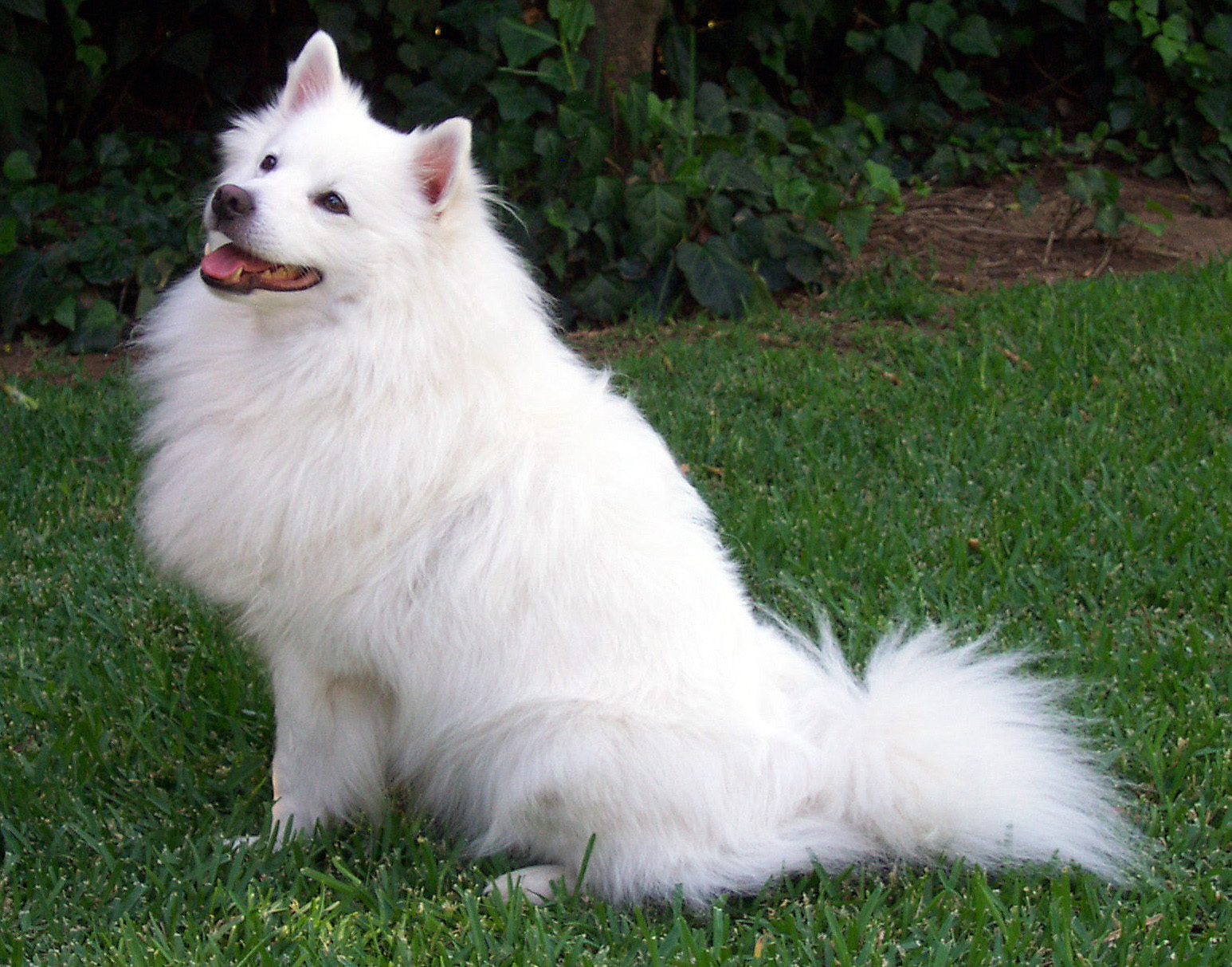
White/Cream: The most iconic Jindo color. The coat tends to be slightly denser and softer than darker varieties. White coats show staining readily but the self-cleaning properties of the outer coat minimize this issue compared to other white breeds. White Jindos often have the most profuse undercoat.
Red/Fawn (Hwang): Ranging from light tan to deep reddish-brown. This is the most common color alongside white. The coat texture is typically medium -- firmer than white but not as harsh as black. Red coats can lighten slightly with sun exposure.
Black and Tan (Heuk): Striking black body with tan points. The black outer coat tends to be the harshest in texture, with a tight, almost glossy quality. The undercoat is lighter gray or tan.
Brindle (Hogu): A pattern of dark stripes over a lighter base. Less common than solid colors. Brindle coats have texture similar to red.
Wolf Gray: A multi-toned gray pattern. Relatively uncommon. The coat texture tends toward the harsher side.
Coat color does not significantly change grooming frequency requirements, but white coats may need more attention to stain prevention around the eyes and mouth.
The Coat Blow: A Jindo Rite of Passage
Every Jindo owner has a coat blow story. The first one is always a surprise.
Jindos blow their undercoat once or twice per year. The primary blow occurs in spring as daylight increases, and some Jindos have a secondary (usually lighter) blow in fall. The process lasts 2-3 weeks and the volume of shed hair is genuinely astonishing.
During peak coat blow, a Jindo in full shed drops enough undercoat to construct what appears to be a second, smaller dog. The loose hair comes out in clumps, tufts, and drifts. It accumulates in corners, on furniture, and -- seemingly -- in mid-air. Breed communities refer to this period as "Jindo tumbleweeds" season.
This shedding is completely normal and healthy. The body is replacing the seasonal undercoat with a density appropriate for the coming season. Attempting to prevent the shed (through diet changes, supplements, or excessive bathing) does not work and is not desirable.
What to do during coat blow:
- Brush daily with an undercoat rake
- Schedule a professional de-shedding session during peak shedding
- Accept that some hair on clothing and furniture is inevitable for 2-3 weeks
- Do not bathe at home without proper drying capability -- wet undercoat mats immediately
Between Coat Blows: The Easy Maintenance Period
Outside of shedding season, the Jindo coat is genuinely low-maintenance compared to most double-coated breeds:
Brushing: Once per week with an undercoat rake or slicker brush is sufficient. Focus on the ruff, thighs, and tail where the coat is longest.
Bathing: Only when actually dirty, which may be every 2-3 months given the coat's self-cleaning properties. Some Jindo owners report bathing only 3-4 times per year outside of shedding season.
Ear Check: Weekly visual and smell check. Erect ears rarely have issues, but monitoring is still good practice.
Nail Check: Every 2-3 weeks depending on activity level and surface type.
The Jindo Coat Through Life Stages
Puppy (birth to 6 months): A soft, fluffy puppy coat with minimal undercoat. Shedding is negligible. This is the grooming honeymoon that does not last.
Adolescent (6-14 months): The adult coat begins growing in. The puppy coat and adult coat coexist during transition, and the texture changes are noticeable. The first coat blow may occur during this period, usually lighter than adult blows.
Adult (1-8 years): Full adult coat with maximum undercoat density. Coat blows are at their most dramatic during this period. The coat is at its most beautiful and most demanding.
Senior (8+ years): Coat may thin slightly, particularly in the undercoat. Shedding volume may decrease. Skin becomes a more important focus as the protective coat layer reduces.
Protecting the National Treasure Coat
The Jindo's coat earned its place on Korea's National Heritage list alongside the dog that carries it. Protecting that coat means:
- Never shave: The coat regulates temperature and protects from UV. Shaving disrupts the growth cycle and may cause permanent texture changes.
- Feed quality protein: At least 25% dietary protein supports coat density and growth.
- Supplement omega fatty acids: Fish oil improves coat sheen and skin health.
- Respect the shed cycle: Do not fight it -- manage it. Brush daily during coat blow, professionally de-shed at peak, and let the natural process run its course.
---
Ready to streamline your grooming workflow? PawOps Board Manager helps salons track every Jindo from check-in to pickup with real-time visibility. Start your free 30-day trial →
Related Reading: