Why Your Keeshond Needs Professional Grooming (Yes, Even With All That Fluff)
Why Your Keeshond Needs Professional Grooming (Yes, Even With All That Fluff)
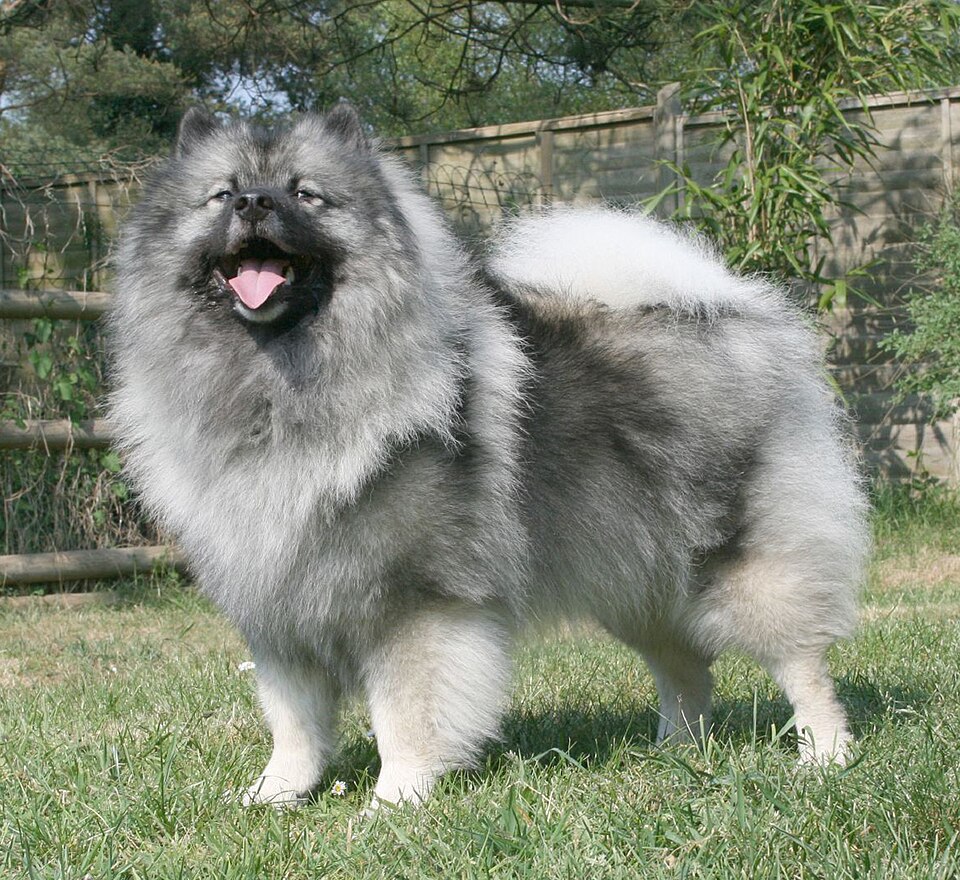
The Keeshond is basically a walking cloud with a personality. That dramatic, stand-off double coat with the signature silver and black coloring makes this breed one of the most visually striking medium-sized dogs out there. And if you own one, you already know: the coat is a full-time roommate.
But here's where a lot of Keeshond owners get stuck. They brush at home, maybe give the occasional bath, and assume that covers it. Meanwhile, their Kees is quietly developing undercoat buildup, hidden mats, and skin issues that only show up when something goes wrong.
Keeshond professional grooming isn't about making your dog look fancy. It's about keeping that incredible coat system functioning the way it was designed to.
The Keeshond Coat Is Designed for Arctic Barges, Not Your Living Room
The Keeshond was originally a companion and watchdog on Dutch barges and riverboats. That coat evolved to handle cold, damp conditions -- dense enough to insulate in freezing weather, water-resistant enough to handle spray and rain.
The coat has two layers. The outer coat consists of long, straight, harsh-textured guard hairs that stand off the body rather than lying flat. This gives the Keeshond that puffy, lion-like appearance. Beneath that is a thick, woolly undercoat that traps warm air against the skin.
A surprising fact about the Keeshond coat: the distinctive "spectacles" -- the dark markings around the eyes that give Keeshonden their characteristic expression -- are actually created by a combination of coat color pattern and hair direction, with shorter hairs around the eyes growing in specific directions to create the illusion of eyeglass frames. These markings require careful grooming around the face to maintain their definition.
This coat system is magnificent, but it was designed for a working environment, not temperature-controlled homes. In a modern household, the coat still cycles through growth and shedding as if the dog were living on a Dutch canal boat, which means it needs management that goes beyond what a brush at home can handle.
Keeshond Professional Grooming Tackles What Home Care Can't
The Undercoat Situation
The Keeshond undercoat is dense. Really dense. And it doesn't just shed neatly onto your floor. Dead undercoat gets trapped beneath the guard hairs, compressing against the skin and forming a layer that blocks airflow, traps moisture, and creates the perfect environment for skin problems.
Home brushing with a slicker brush handles surface-level maintenance. But getting through to the skin -- really through, section by section -- requires line brushing with an undercoat rake, and doing that thoroughly on a Keeshond takes 45 minutes to an hour of focused work. Most owners don't have the time, the tools, or frankly the technique to do this consistently.
Professional groomers line-brush the entire coat down to the skin, then use high-velocity dryers to blast loose undercoat free. The amount of dead coat that comes out during a professional deshedding session is genuinely shocking to first-time Keeshond owners. You'll wonder how the dog still has any fur left.
Coat Blowing Is an Event
Once or twice a year, the Keeshond "blows coat" -- the undercoat releases in massive quantities over a two-to-three-week period. During a coat blow, your Keeshond will shed enough fur to build a second, smaller Keeshond.
According to breed club grooming resources, a Keeshond coat blow produces an estimated 3-5 grocery bags of loose undercoat. This isn't gradual. It comes out in clumps and tufts, and if it isn't removed promptly, it mats against the remaining coat.
Professional grooming during a coat blow is practically non-negotiable. A single high-velocity blow-dry session removes more dead coat than a week of daily home brushing.
The Mats You Can't See
Keeshond mats don't always announce themselves on the surface. The dense undercoat can mat beneath the guard hairs, creating a felted layer against the skin that's invisible until you try to run a comb through the coat and hit a wall.
Common hidden mat locations on a Keeshond:
- Behind the ears
- In the armpits (where the leg meets the body)
- Around the collar line
- On the "pants" (rear leg feathering)
- Under the tail
- In the chest ruff
Beyond the Coat: What Professional Grooming Covers
Skin Health Monitoring
The Keeshond is prone to certain skin conditions, including follicular dysplasia and Cushing's disease-related coat changes. Under all that fluff, skin problems can develop invisibly for weeks before symptoms show on the surface.
Professional groomers see your dog's skin up close, section by section. They notice things: unusual dryness, redness, flaking, thinning patches, lumps. These observations often catch issues before they become veterinary emergencies.
Nail Care
Keeshond nails grow steadily and need regular trimming. The breed has compact, round feet with nails that, if left long, splay the toes and alter the dog's gait. Most Keeshonden have dark nails, making it difficult to see the quick and increasing the risk of cutting too short at home.
Professional groomers handle dark nails routinely and can use grinders for a smoother, safer result.
Ear Maintenance
Keeshonden have small, triangular, erect ears that are less prone to infection than floppy-eared breeds. But the ear canal still needs periodic cleaning, and the thick coat around the ears can trap debris and moisture. A professional cleaning every 6-8 weeks keeps things healthy.
Sanitary Trimming
The thick coat around the rear can trap fecal matter and urine, creating hygiene issues and skin irritation. Professional groomers perform a sanitary trim -- trimming the coat close around the anus and genital area -- that keeps your Keeshond clean and comfortable between baths.
What a Professional Keeshond Groom Looks Like
A standard professional session for a Keeshond includes:
Expect the process to take about 1.5 to 2.5 hours. The Keeshond is a medium-sized dog, but the coat density makes this a longer appointment than you'd expect for a 35-to-45-pound dog.
How Often Should a Keeshond See a Groomer?
Recommended schedule:
- Every 6-8 weeks as a standard maintenance schedule
- Every 4-6 weeks during coat blowing season
- Monthly for Keeshonden in humid climates or those with coats prone to matting
- Brush 2-3 times weekly with a pin brush and undercoat rake
- Daily brushing during coat blows
- Check behind ears, armpits, and pants weekly for developing tangles
- Keep the sanitary area tidy
The Critical Rule: Never Shave a Keeshond
This is non-negotiable. A Keeshond should never be shaved except on veterinary advice for a medical procedure. Shaving destroys the double coat structure, removes temperature regulation, and the coat frequently grows back improperly -- woolly, patchy, and prone to severe matting.
The Keeshond Club of America is unambiguous on this point. If a groomer suggests shaving your Kees to "help with shedding" or "keep them cool," find a different groomer immediately.
Finding a Groomer Who Understands Keeshonden
The Keeshond isn't as common as a Golden Retriever or a Lab, so not every groomer has experience with the breed. When choosing a groomer:
- Ask about double-coated breed experience. Groomers comfortable with Samoyeds, Pomeranians, and American Eskimo Dogs will understand the Keeshond coat structure.
- Verify they won't shave. This is your screening question. A groomer who understands double coats will immediately agree.
- Ask about their drying process. High-velocity blow drying is essential for this breed. Air drying a Keeshond takes hours and leaves moisture trapped against the skin.
- Look for accurate pricing. Use our free pricing calculator → A Keeshond groom takes longer than most medium-dog appointments due to coat density. Salons using breed-specific pricing tools like PawOps calculate fair rates based on the actual breed, coat condition, and grooming requirements rather than simply charging by weight.
Why It Matters
The Keeshond coat is what makes the breed unmistakable. That silver-and-black spectacled face, the dramatic ruff, the plumed tail curled over the back -- it's all coat. And keeping it healthy isn't just aesthetics. It's comfort, temperature regulation, skin health, and your dog's overall wellbeing.
Professional grooming for a Keeshond isn't a luxury or an indulgence. It's the maintenance schedule that keeps a complex biological system running properly. Your groomer is the mechanic. The coat is the engine. And a well-maintained Keeshond coat is something truly spectacular to behold.