Why Your Kishu Ken Needs Professional Grooming
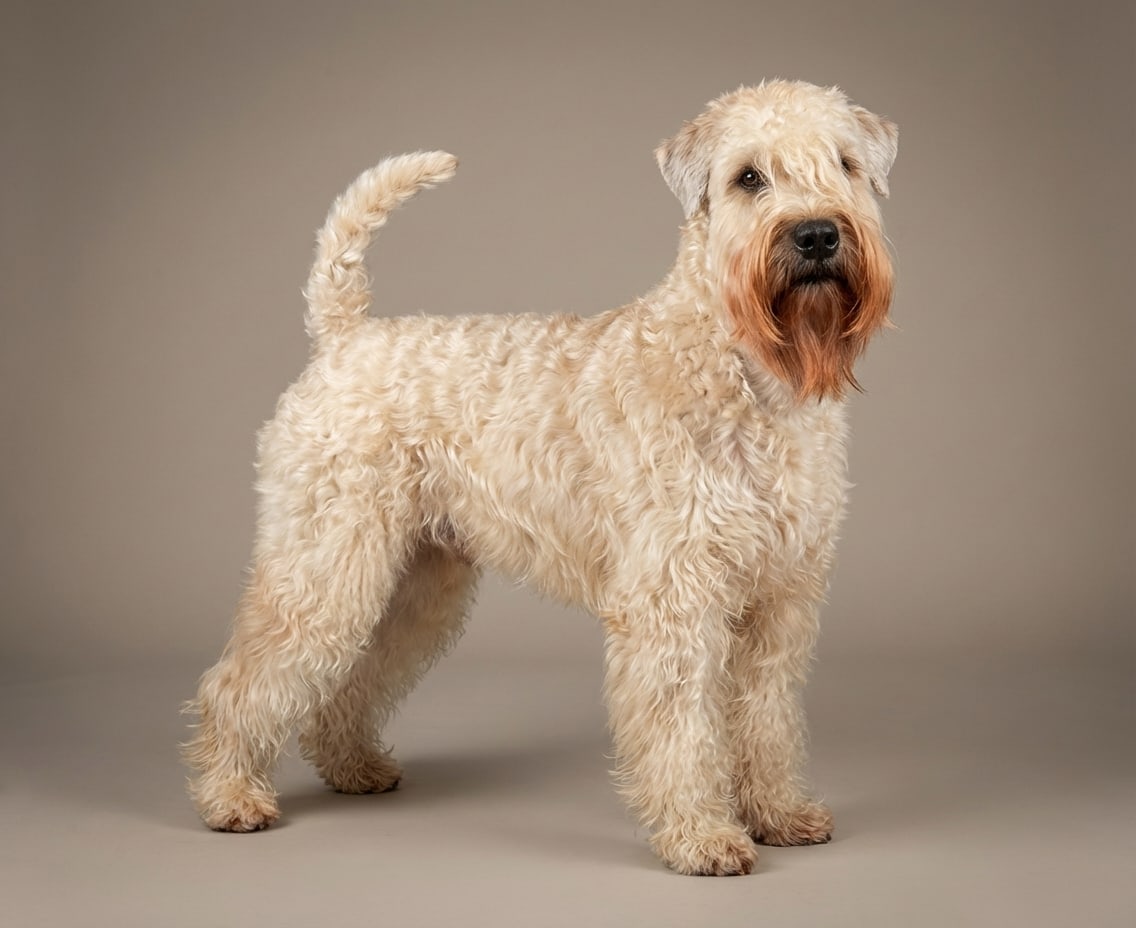
Why Your Kishu Ken Needs Professional Grooming
The Kishu Ken is an ancient Japanese hunting breed that originated in the mountainous Kishu region (modern-day Wakayama and Mie Prefectures). Primarily white-coated today, this medium-sized breed (30-60 pounds, 17-22 inches) was bred to hunt wild boar and deer through dense forest. The breed's double coat reflects centuries of adaptation to Japan's rugged mountain climate.
Designated a Japanese National Treasure in 1934, the Kishu Ken is rare even in Japan and exceedingly uncommon elsewhere. Proper coat care is part of preserving this remarkable breed.
The Kishu Ken Coat: White Hunter in the Mountains
The vast majority of modern Kishu Ken are white, though red, sesame, and brindle do occur rarely. The white coat became dominant through selective breeding -- Japanese hunters preferred white dogs because they were easier to spot against the dark forest backdrop, reducing the risk of accidentally shooting their dog during a hunt.
The coat itself is a medium-length double coat:
- Outer coat: Straight, harsh guard hairs that stand slightly off the body, providing protection against brush, weather, and minor injuries
- Undercoat: Dense and soft, providing insulation against mountain cold
Because the breed is predominantly white, all the challenges of white coat care apply: staining visibility, discoloration management, and the need for appropriate products.
Why Professional Grooming Is Necessary
White Coat Management: Everything shows on a white coat. Tear stains under the eyes, saliva staining around the mouth, grass stains on the belly, and yellowing from skin oils are all visible on the Kishu Ken's white coat. Professional groomers use whitening shampoos and stain treatments specifically designed for white coats that maintain brightness without damaging the hair. These professional-grade products are more effective than consumer alternatives and are applied with appropriate technique.
Undercoat Removal: The Kishu Ken's undercoat is dense enough to cause problems when neglected. Dead undercoat packs against the skin, reducing airflow and trapping moisture and heat. Professional high-velocity drying is the most efficient method for removing dead undercoat from the deepest layers. According to grooming data, professional de-shedding removes significantly more loose undercoat than even thorough home brushing.
Seasonal Coat Blow Management: Like all Japanese native breeds, the Kishu Ken blows coat twice yearly. The white hair makes the shedding even more conspicuous -- loose undercoat shows up on every dark surface in your home. Professional de-shedding during coat blow drastically reduces the volume and duration of the shedding event.
Skin Health: The dense white coat hides skin issues effectively until they become advanced. Professional groomers perform thorough skin inspections during every session, catching early-stage irritation, hot spots, or parasites that the thick coat would otherwise conceal. White-coated dogs can also be more susceptible to sunburn on areas where the coat is thin (nose, ear tips), which a groomer can identify.
Breed-Appropriate Care: The Kishu Ken should never be clipped or shaved. Finding a groomer who understands Japanese native breeds and knows to maintain the natural coat through brushing and undercoat management -- not clipping -- is essential.
The Independence Factor
Kishu Ken are strong-willed, independent dogs. They bond deeply with their owner but can be aloof or uncooperative with strangers. In a grooming setting, this means:
- Early socialization to grooming is critical
- The groomer must be patient and experienced with independent breeds
- Mobile grooming may be preferable for dogs that are stressed by busy salons
- Building a relationship with one consistent groomer yields the best results
Grooming Schedule
The Kishu Ken follows a similar grooming schedule to other Japanese native breeds:
- Standard maintenance: Every 8-10 weeks (slightly more frequent than some Japanese breeds due to white coat staining management)
- During coat blow: Every 4-6 weeks
- Home maintenance: Weekly brushing with undercoat rake; daily during coat blow
- Stain management: Daily wiping around eyes and mouth for white-coated dogs
Honoring a National Treasure
The Kishu Ken is one of only six Japanese native breeds to receive National Treasure designation. Its white coat -- a practical choice by mountain hunters turned into a breed standard -- is distinctive and striking. Professional grooming maintains the coat's brightness, protects the skin beneath it, and ensures this rare breed looks as magnificent as its heritage deserves. Every grooming session is an act of preservation for a breed that has survived nearly a millennium in one of the world's most demanding environments.
---
Ready to streamline your grooming workflow? PawOps Board Manager helps salons track every Kishu Ken from check-in to pickup with real-time visibility. Start your free 30-day trial →
Related Reading: