Understanding Your Labradoodle's Coat: What Every Owner Should Know
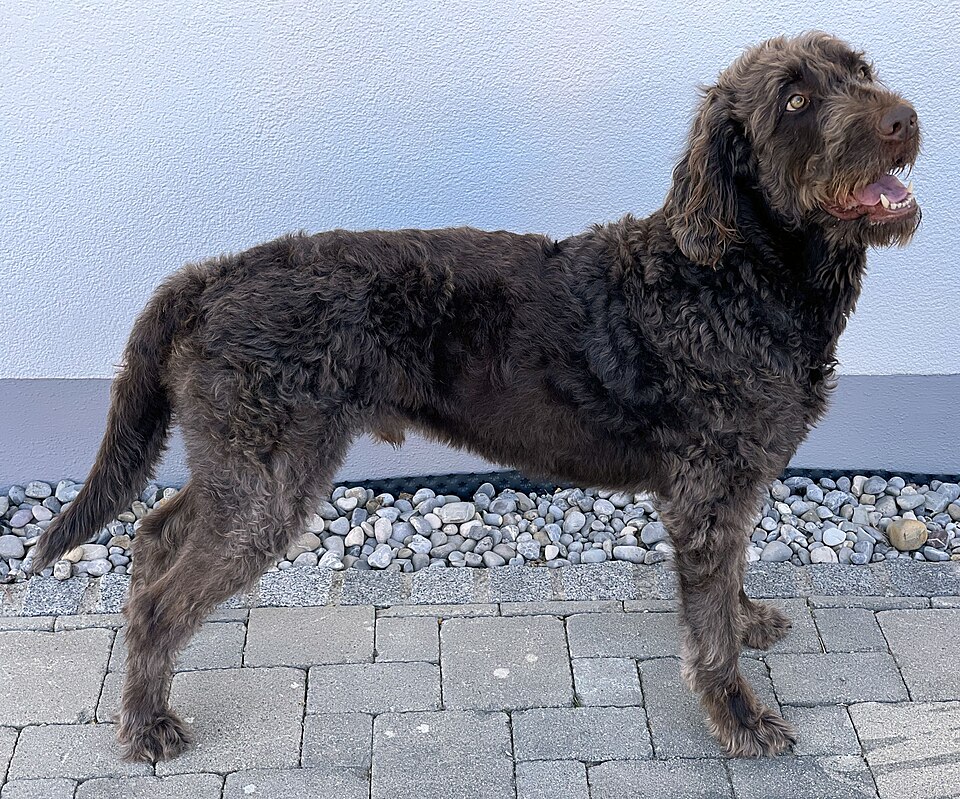
Understanding Your Labradoodle's Coat: What Every Owner Should Know
The Labradoodle coat is a genetic grab bag. Unlike purebred dogs where you know exactly what coat you're getting, a Labradoodle's coat is the result of a coin toss between two very different genetic blueprints -- the Labrador Retriever's short, dense, water-repellent double coat and the Poodle's continuously growing, curly, single-layer coat.
That genetic lottery produces a spectrum of coat types, and understanding where your Labradoodle falls on that spectrum changes everything about how you care for them.
The Three Labradoodle Coat Types
Every Labradoodle coat falls into one of three categories. Each looks different, feels different, sheds differently, and requires different maintenance.
Wool Coat
What it looks like: Tight, spiraling curls similar to a Poodle. Dense, springy texture that feels almost like lamb's wool.
Shedding: Virtually none. This is the closest to truly non-shedding you'll get in a Labradoodle. Dead hair stays trapped in the curl instead of falling out.
The catch: That trapped dead hair is exactly why wool coats mat so aggressively. Without regular brushing and professional grooming, wool coats can mat to the skin within 2-3 weeks of neglect.
Maintenance level: Highest. Needs professional grooming every 4-6 weeks and daily brushing at home.
Allergy friendliness: Best of the three types for allergy sufferers, though no dog is truly hypoallergenic.
Fleece Coat
What it looks like: Soft, flowing waves or loose spirals. This is the "classic" Labradoodle look -- the teddy bear coat that made the breed famous.
Shedding: Very low. Some owners report occasional light shedding, but it's minimal compared to most breeds.
The catch: Fleece coats tangle easily, especially in areas where the coat rubs against the body (armpits, behind ears, collar area). The soft texture makes tangles harder to detect by feel alone.
Maintenance level: Moderate to high. Professional grooming every 5-7 weeks, brushing every other day at home.
Allergy friendliness: Good, though slightly less than wool coats.
Hair Coat
What it looks like: Straighter, coarser, and more Lab-like. Can have a slight wave. The least "Doodle-looking" of the three.
Shedding: Yes, it sheds. Sometimes a lot. Hair coats behave more like a Labrador's coat, going through shedding cycles and depositing hair on furniture and clothing.
The catch: Owners expecting a non-shedding dog are often disappointed. Hair-coated Labradoodles need the least grooming but produce the most environmental hair.
Maintenance level: Lowest. Professional grooming every 6-8 weeks, weekly brushing at home.
Allergy friendliness: Lowest. Similar allergen production to a Labrador.
Here's the number that defines the Labradoodle coat experience: in multigenerational breeding programs (F2 and beyond), breeders report that roughly 50% of puppies get fleece coats, 30% get wool coats, and 20% get hair coats. In first-generation crosses (F1, Lab x Poodle), the distribution is even less predictable.
The Coat Transition That Changes Everything
This is the part that catches new Labradoodle owners completely unprepared.
Labradoodle puppies have a soft, relatively easy-to-manage coat that bears little resemblance to their adult coat. Between approximately 6 and 14 months, the adult coat begins growing in alongside the puppy coat. For several months, you have two different textures of hair competing for space on the same dog.
The transition period is the most mat-prone phase of your Labradoodle's entire life. The incoming adult coat tangles with the outgoing puppy coat in ways that defy regular brushing. Sections you groomed yesterday can be matted by tomorrow morning.
What to expect during the transition:
- Texture changes that seem to happen overnight
- Dramatic increase in matting, especially in friction areas
- Possible color changes (many Labradoodles lighten significantly as they mature)
- The final coat type may surprise you -- puppies that seemed curly can end up wavy, and vice versa
- Increase professional grooming to every 3-4 weeks during peak transition
- Brush daily without exception
- Consider a shorter maintenance trim to reduce the volume of hair that can tangle
- Be mentally prepared for a possible shave-down if matting gets ahead of you
Labradoodle Coat Colors: The Full Spectrum
Labradoodles come in an impressively wide range of colors, thanks to the genetic diversity of their parent breeds:
- Cream/White: Very popular. Can range from bright white to warm cream.
- Gold/Apricot: Warm, reddish-gold tones. One of the most requested colors.
- Red: Deep, rich red. Can fade with age and sun exposure.
- Chocolate/Brown: Medium to dark brown. The brown gene also lightens with age in many dogs.
- Black: Solid black. Can develop silver or gray tones with maturity.
- Parti (two-tone): Large patches of white plus another color. Increasingly popular.
- Phantom: Specific pattern of markings (like a Doberman pattern) in two colors.
- Abstract: Mostly solid color with small white markings.
- Cafe au lait: A unique lavender-brown shade.
Color has no bearing on grooming requirements. A red wool coat needs the same care as a cream wool coat.
What Your Labradoodle's Coat Tells You About Their Health
The Labradoodle coat can signal health issues if you know what to look for:
Coat Quality Indicators
- Dull, dry coat: Often responds to omega fatty acid supplementation. Can also indicate hypothyroidism or nutritional deficiency.
- Sudden increase in shedding (wool or fleece coats): May signal stress, hormonal changes, or illness. Wool and fleece coats should shed minimally -- a noticeable increase warrants attention.
- Coat thinning: Can indicate allergies, hormonal issues, or autoimmune conditions.
- Persistent odor despite bathing: Often points to skin infection (bacterial or yeast) hiding under the dense coat.
- Greasy or oily coat: May indicate sebaceous adenitis, a skin condition that affects Poodles and can appear in Labradoodles.
Skin Under the Coat
Labradoodle skin deserves attention because the dense coat can hide issues:
- Hot spots develop when moisture gets trapped against the skin under mats or dense coat sections
- Allergic dermatitis is common, showing up as red, irritated skin that itches
- Ear infections thrive in the warm, moist environment created by floppy ears plus ear canal hair
The "Hypoallergenic" Question
Let's address this directly: no dog is truly hypoallergenic. The term is misleading and has been used to market Labradoodles in ways that oversimplify the science.
What is true:
- Wool-coated Labradoodles produce less airborne allergen than most breeds because shed hair (carrying dander and saliva proteins) stays trapped in the coat instead of dispersing into the environment
- Fleece-coated Labradoodles are moderately low-allergen for the same reason
- Hair-coated Labradoodles produce allergen levels similar to most regular-shedding breeds
If allergies are your primary reason for choosing a Labradoodle, spend extended time with adult dogs of the specific coat type you're considering before purchasing. And be aware that your puppy's coat type may change as they mature.
Caring for Your Labradoodle's Coat at Home
A solid home care routine by coat type:
Wool coat (daily routine, 10-15 minutes):
- Slicker brush the entire body, working in sections
- Greyhound comb to verify no tangles remain
- Focus on armpits, behind ears, collar area, and between back legs
- Mist with detangling spray before brushing
- Slicker brush through the body
- Greyhound comb check in mat-prone areas
- Detangling spray on any snags
- Bristle brush or rubber curry tool
- Undercoat rake during shedding periods
- Deshedding tool as needed
- Never bathe without brushing first (water tightens tangles into mats)
- Use coat-appropriate shampoo and conditioner
- Dry thoroughly -- moisture trapped in the dense coat causes skin issues
- Check and clean ears weekly
---
Ready to streamline your grooming workflow? PawOps Board Manager helps salons track every Labradoodle from check-in to pickup with real-time visibility. Start your free 30-day trial →