Why Your Labradoodle Needs Professional Grooming (The Coat Lottery Is Real)
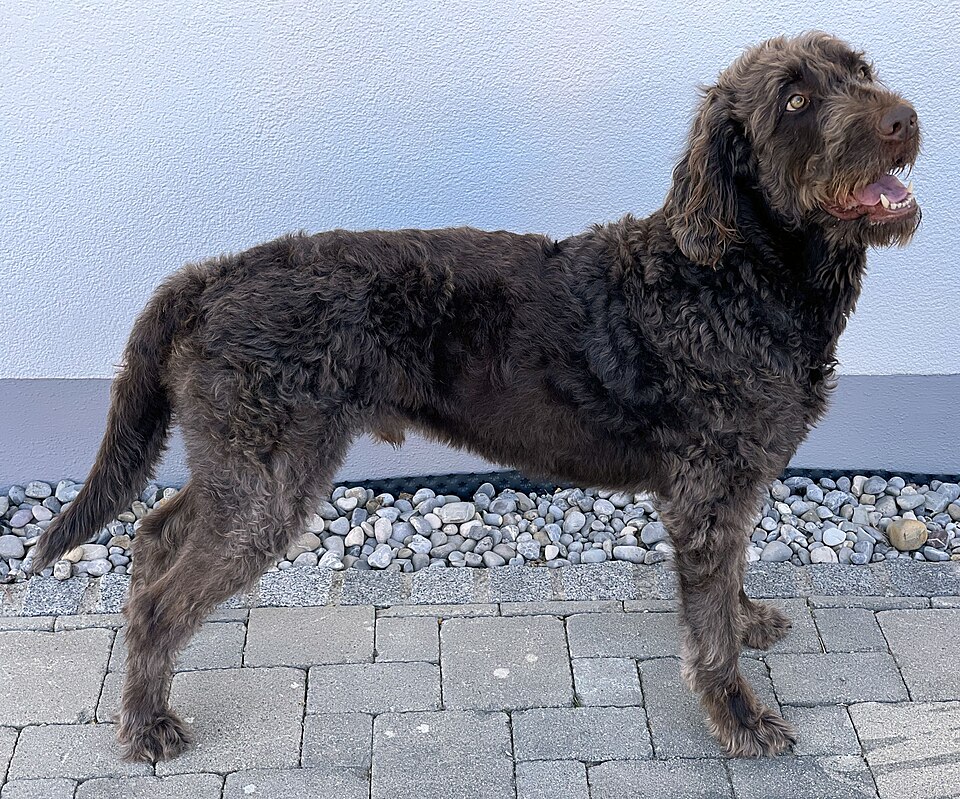
Why Your Labradoodle Needs Professional Grooming (The Coat Lottery Is Real)
You got a Labradoodle because someone told you they don't shed. Or maybe they said "low maintenance." Possibly even "hypoallergenic."
We need to talk.
Labradoodles are wonderful dogs. They're also, coat-wise, one of the most unpredictable and high-maintenance breeds (or designer mixes, technically) in your groomer's appointment book. That fluffy teddy bear look doesn't happen by accident, and it definitely doesn't happen without regular professional grooming.
Let's break down why Labradoodle professional grooming isn't a luxury -- it's a requirement.
The Labradoodle Coat Lottery
Unlike purebred dogs with predictable coat types, Labradoodles can inherit any combination of Labrador Retriever and Poodle coat genetics. This creates three distinct coat types -- and you often don't know which one you're getting until the puppy matures.
Wool coat: Tight curls similar to a Poodle. Dense, non-shedding, but mats aggressively if not maintained. Requires the most grooming of the three types.
Fleece coat: Soft, wavy, flowing texture. This is the coat most people picture when they think "Labradoodle." Low-to-no shedding, but tangles easily and needs regular professional attention.
Hair coat: More similar to a Labrador. Straighter, coarser, and this one actually sheds. Least popular with buyers but ironically the easiest to maintain.
Here's the kicker: puppies from the same litter can have different coat types. And a puppy's coat often changes texture completely between 6 and 14 months as the adult coat grows in. The fluffy, easy-to-manage puppy coat is not the coat you'll have for the next 12 years.
A professional groomer evaluates your Labradoodle's specific coat type and adjusts their approach accordingly. The tools, products, techniques, and grooming schedule are different for a wool coat versus a fleece coat versus a hair coat. This isn't one-size-fits-all grooming.
Matting: The Labradoodle Owner's Nemesis
If there's one word that defines the Labradoodle grooming experience, it's matting. Wool and fleece coats mat with a speed and determination that borders on theatrical.
The mechanics are straightforward: curly and wavy hair traps shed hair within the coat instead of releasing it. That trapped hair wraps around live hair, forming tangles. Tangles compress into mats. Mats tighten against the skin.
What makes Labradoodle matting particularly tricky is the density of the coat. Mats can form close to the skin while the surface of the coat still looks and feels fine. Owners brush the top layer, feel smooth fur, and assume everything's good. Meanwhile, a dense mat is forming a quarter inch from the skin where the brush never reached.
Professional groomers identify this problem immediately. They work from the skin outward, checking every section of the body. They use tools -- greyhound combs, mat splitters, dematting rakes -- that most home groomers don't own and wouldn't know how to use safely.
According to grooming industry data, Labradoodles and Goldendoodles are the two breeds most commonly brought in with matting so severe that the only humane option is a full shave-down. Nobody wants that, but it happens when professional grooming gets skipped or stretched too far.
What Labradoodle Professional Grooming Actually Involves
A full professional Labradoodle groom is one of the more full services a salon offers. Here's what goes into it:
Total time on the table: 2 to 3 hours for a full groom. This is not a quick appointment.
The Ear Hair Problem Nobody Warns You About
Labradoodles inherit the Poodle's tendency to grow thick hair inside the ear canal. This hair blocks airflow, traps moisture, and creates a warm, humid environment that's basically a five-star resort for bacteria and yeast.
Ear infections are one of the most common health issues in Labradoodles. The American Kennel Club notes that Poodle crosses with floppy ears -- which describes most Labradoodles -- are among the most ear-infection-prone dogs.
A professional groomer removes this ear hair as part of the standard grooming appointment. They also check for signs of early infection: redness, odor, discharge, or sensitivity when the ear is handled. This regular maintenance prevents infections that cost $100-$300 to treat at the vet. Use our free pricing calculator →
Why Home Grooming Can't Replace the Professional
This isn't a slight against home grooming -- you should be brushing your Labradoodle at home between appointments. But there are real limitations to what you can accomplish without professional equipment and training:
- You can't see your own blind spots. Most owners brush the easy-to-reach areas (back, sides) and rush through the difficult areas (armpits, behind ears, between back legs). Those difficult areas are exactly where mats form first.
- Home clippers aren't salon clippers. Consumer-grade clippers struggle with Labradoodle coat density. They pull, overheat, and produce uneven results. Professional clippers are designed for heavy coats.
- The drying matters as much as the cutting. How a Labradoodle's coat is dried determines how it sets. Professional blow-drying technique is the difference between a fluffy, even finish and a lumpy, uneven one.
- Ear hair removal requires training. Pulling ear hair incorrectly can cause pain, bleeding, and infection. Groomers know how to do it quickly and safely.
The Puppy Coat Transition: Get Ready
Labradoodle puppies have soft, manageable coats that lull owners into a false sense of security. Then, between 6 and 14 months, the adult coat starts coming in.
The transition is brutal. The soft puppy hair tangles with the incoming adult coat, creating mats at an accelerated rate. Many owners don't increase their grooming frequency during this period and end up with a puppy that needs to be shaved to the skin.
During the coat transition:
- Book professional grooming every 3-4 weeks (instead of the usual 6-8)
- Brush daily at home -- this is non-negotiable during the transition
- Be prepared for the adult coat to look and behave differently than the puppy coat
How Often Should Your Labradoodle See a Professional Groomer?
The recommended professional grooming schedule for Labradoodles:
- Wool coat: Every 4-6 weeks, with haircuts at every session
- Fleece coat: Every 5-7 weeks, with haircuts as needed
- Hair coat: Every 6-8 weeks, primarily for bathing and tidying
- During puppy coat transition: Every 3-4 weeks regardless of coat type
The Real Cost of Skipping Professional Grooming
Owners who stretch Labradoodle grooming appointments too far pay for it in three ways:
Professional grooming isn't optional for Labradoodles. It's as fundamental to their care as quality food and regular vet visits. That teddy bear look is beautiful -- but it takes a professional's skill to maintain.
---
Ready to streamline your grooming workflow? PawOps Board Manager helps salons track every Labradoodle from check-in to pickup with real-time visibility. Start your free 30-day trial →