Understanding Your Lakeland Terrier's Coat: What Every Owner Should Know
Understanding Your Lakeland Terrier's Coat: What Every Owner Should Know
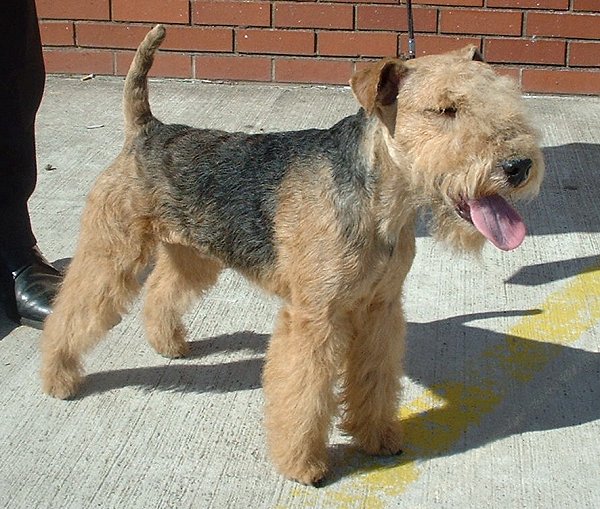
The Lakeland Terrier's coat tells the story of where this breed came from. Developed in the Lake District of England -- a region known for rugged terrain, harsh weather, and rocky hillsides -- the Lakeland needed a coat that could handle anything nature threw at it while the dog chased foxes through narrow rock passages. That history is still written into every wiry hair on your dog's body.
The Double Coat Structure
Lakeland Terriers carry a true double coat, and understanding both layers is essential for proper care.
The Outer Coat
The outer coat is hard, dense, and wiry. When you run your hand across a properly maintained Lakeland coat, it should feel coarse and springy -- never soft or silky. This texture is not a grooming choice; it is how the coat is supposed to be.
The wire hairs are structured differently from soft coat hairs at the microscopic level. They have a thicker cortex and a rougher cuticle, which is what gives them that distinctive coarse feel. This structure also makes them naturally resistant to water and dirt. A Lakeland with correct coat texture can run through mud and, once dry, have most of the dirt brush out cleanly. That is by design -- a working terrier underground could not stop for a bath.
The Undercoat
Beneath the wiry exterior, the Lakeland has a soft, dense undercoat that sits close to the skin. This layer provides insulation -- warmth in cold weather and, counterintuitively, cooling assistance in warm weather by creating a buffering air layer.
The undercoat does shed lightly, particularly during spring and fall transitions. This is the hair you will find on your clothes and furniture, though the amount is modest compared to heavy shedders. The outer wire coat, by contrast, does not shed at all in the traditional sense -- dead hairs stay in the follicle until manually removed.
Lakeland Terrier Colors
Lakelands come in a wider range of colors than many people expect:
- Blue -- a dark, steel-blue gray
- Black -- solid black outer coat
- Liver -- a rich brown
- Red -- ranging from golden-red to deep mahogany
- Wheaten -- pale gold to warm wheat
- Red grizzle, blue grizzle, black grizzle -- these are banded patterns where individual hairs alternate between colors
- Saddle-marked -- darker color on the back with lighter tan on the legs, head, and underside
According to Lakeland Terrier breed club records, saddle-marked patterns in blue or black with tan points are the most commonly registered color combinations, though all recognized colors appear in the breed regularly.
How the Coat Changes Over a Lakeland's Life
Puppy Coat (Birth to 6-8 Months)
Lakeland puppies are born with a soft coat that bears little resemblance to the adult wire texture. Puppy coats are fluffy, often darker than the adult color will be, and easy to manage. This lulls new owners into thinking Lakelands are low-maintenance. They are not.
Coat Transition (6-18 Months)
Sometime between six months and a year, the adult wire coat begins to grow in. The puppy coat does not shed out cleanly -- it mingles with the incoming adult hair, creating a period of maximum tangling and texture confusion. Many Lakeland owners report that their previously easy-to-brush puppy suddenly became a matting disaster around nine or ten months old.
This is the critical window for establishing a grooming routine. The first full stripping or clipping during the coat transition sets the foundation for the adult coat that follows.
Adult Coat (18 Months Onward)
By about 18 months, the adult wire coat is fully established. The texture should be hard and dense, the undercoat well-developed, and the color settled into its adult shade. From this point, regular maintenance stripping or clipping keeps the coat in cycle.
Senior Changes (8+ Years)
Older Lakelands may develop a slightly softer coat texture as they age. The wire may lose some of its crispness, and the undercoat can thin. Gray hairs often appear on the muzzle and around the eyes. These changes are normal and primarily cosmetic -- the coat still functions and still needs regular grooming.
The Furnishings: More Than Decoration
Lakeland Terriers have longer hair on the legs, face, and underbody -- collectively called furnishings. These areas require different care than the body coat.
The Beard
The Lakeland's beard is softer than the body coat and grows continuously. It collects water, food, and whatever your terrier decides to investigate face-first (which, being a terrier, is everything). Daily wiping and regular combing prevent the odor and staining that untended beards develop.
The Eyebrows
Shaped to frame the eyes and give the Lakeland its alert, intelligent expression. Without trimming, they grow over the eyes and obscure vision. Professional shaping keeps them functional and characteristic.
The Leg Furnishings
The longer hair on the legs is the most mat-prone area on a Lakeland Terrier. The softer texture tangles easily, especially in the armpits, between the toes, and on the back of the hind legs. Regular combing -- at least twice a week -- keeps these areas manageable.
A Coat Detail That Surprises Most Owners
Here is something that experienced Lakeland breeders know but many pet owners do not: the Lakeland's wire coat is essentially odor-resistant when properly maintained. The coarse outer hairs do not absorb oils and odors the way softer coat types do. A properly stripped or maintained Lakeland can go significantly longer between baths than most breeds without developing that "doggy smell." Breeders often report going three to four weeks between baths without any noticeable odor.
However, this only applies when the coat texture is correct. A Lakeland whose coat has gone soft from lack of stripping or repeated clipping loses this self-cleaning property. Soft coats absorb oils and hold odors. It is one more practical reason -- beyond appearance -- to maintain the wire texture.
Home Care Essentials
Between professional grooming sessions, your routine should include:
- Daily: Wipe the beard after meals. Quick check of the leg furnishings for tangles.
- Twice weekly: Full brush-through with a slicker brush. Comb the furnishings with a steel comb.
- Weekly: Check ears for debris. Inspect paw pads for matted hair between the toes.
- As needed: Spot-clean the beard if it gets particularly dirty between washes.
Tools You Need
- Slicker brush -- for body coat and furnishings
- Steel comb (medium teeth) -- for checking furnishings for hidden mats
- Stripping knife or stone -- if you learn basic maintenance stripping
- Undercoat rake -- for seasonal undercoat loosening
- Beard comb -- small comb for daily facial hair maintenance
- Detangling spray -- makes furnishing brushing smoother
When to See Your Groomer Between Appointments
Do not wait for the next scheduled visit if:
- You find mats you cannot work through at home
- The coat texture suddenly changes (gets very soft or very dry)
- You notice skin irritation, hot spots, or unusual scratching
- The beard develops persistent odor despite daily wiping
- Your Lakeland is going through the coat transition and you are unsure how to manage it