Understanding Your Lancashire Heeler's Coat: What Every Owner Should Know
Understanding Your Lancashire Heeler's Coat: What Every Owner Should Know
The Lancashire Heeler became the AKC's 201st recognized breed in 2024, making it one of the newest entries in American dog culture. Its coat -- a sleek, dense double layer built for English farmwork -- is not well documented in mainstream grooming resources. This guide fills that gap.
Coat Structure: Deceptively Complex
The Lancashire Heeler's coat looks simple at first glance. Short, flat, and tidy. But underneath that clean exterior is a dual-layer system that punches above its weight class:
Outer Coat: Fine-textured guard hairs that lie flat against the body. The texture is smooth and firm to the touch -- neither harsh nor silky. These guard hairs provide a water-resistant outer shell that sheds light rain and keeps the undercoat dry during English drizzle (the exact weather the breed was developed in).
Undercoat: Dense, soft, fine hair packed close to the skin. This layer provides insulation and is responsible for the breed's disproportionate shedding volume. The undercoat thickens noticeably in winter and thins in summer, following a seasonal cycle.
The Winter Ruff: During cold months, the Lancashire Heeler develops a slight mane or ruff around the neck. This seasonal feature adds extra insulation and gives the dog a slightly more substantial look in winter. The ruff sheds out in spring along with the rest of the winter undercoat.
The overall effect is a coat that looks like a smooth-coated breed but behaves like a double-coated one. First-time Lancashire Heeler owners who expect minimal shedding based on appearance are in for a surprise.
Colors and Markings
The Lancashire Heeler comes in two recognized color patterns:
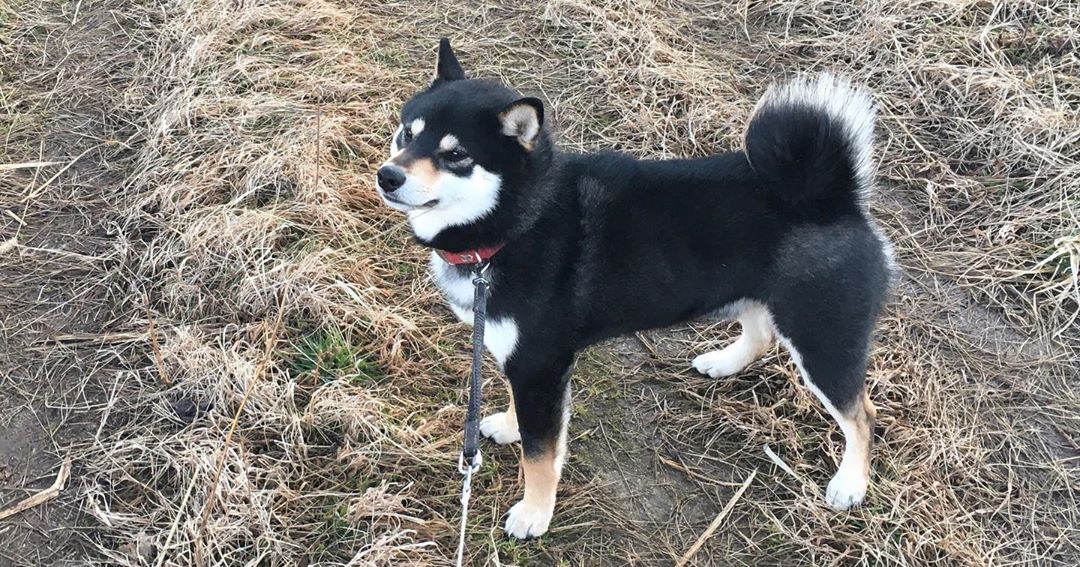
Black and Tan: Black body with rich tan markings on the muzzle, cheeks, above the eyes, inside the ears, on the throat, chest, legs, and under the tail. The tan markings follow the same pattern as a Doberman or Manchester Terrier.
Liver and Tan: Liver (chocolate brown) body with the same tan marking pattern. The liver color can range from light to dark chocolate.
Both colors should have a rich, saturated appearance when the coat is healthy. Dullness in either the black/liver or the tan sections can indicate nutritional deficiency or health issues.
A well-groomed Lancashire Heeler's coat has a natural sheen that comes from healthy guard hairs and properly distributed skin oils. Over-bathing strips this sheen, while regular brushing enhances it.
Shedding: The Fine Hair Challenge
Lancashire Heeler shedding is characterized by:
Year-Round Moderate Shedding: Fine undercoat hairs release steadily throughout the year. These hairs are small, light, and have a talent for embedding themselves in fabric. Dark clothing, upholstered furniture, and car seats become magnets for these fine hairs.
Spring Coat Blow: Over 2-3 weeks in spring, the dense winter undercoat releases. The volume is surprising from a sub-17-pound dog. During this period, you can pull loose undercoat out by running your hand along the body.
Fall Transition: Less dramatic than spring, but the lighter summer coat gives way to the denser winter coat over 2-3 weeks.
According to breed club surveys in the UK (where the Lancashire Heeler has been established much longer), owners rate shedding as "moderate to heavy" -- significantly more than the breed's smooth appearance would suggest. The fine texture of the shed hair makes it particularly difficult to remove from fabric compared to coarser-haired breeds.
Why the Coat Looks So Good (When Maintained)
A healthy, well-maintained Lancashire Heeler coat is a thing of beauty. The flat-lying guard hairs create a sleek, polished appearance that shows off the breed's compact, muscular build. The color markings pop with sharp definition -- clean lines between black/liver and tan.
This look comes from:
- Regular brushing distributing natural oils evenly across the guard hairs
- Proper nutrition maintaining coat pigmentation and texture
- Professional de-shedding removing dead undercoat so the guard hairs lie flat
- Appropriate bathing with products that clean without stripping natural oils
Care Routine for the Lancashire Heeler Coat
2-3 Times Weekly (5-10 minutes):
- Rubber curry brush in circular motions over the body to loosen dead undercoat and stimulate oil production
- Follow with a bristle brush to smooth the coat and remove loosened hair
- Check the neck area (where the seasonal ruff develops) for any building undercoat density
- Run a fine-toothed comb through the coat to check for any developing tangles (rare but possible behind ears and in the groin area)
- Quick ear inspection
- Check nail length
- Full bath with coat-appropriate shampoo
- High-velocity blow-dry to remove trapped dead undercoat
- Professional de-shedding treatment
- Nail trimming
- Ear cleaning
- Increase home brushing to daily during the coat blow
- Schedule one extra professional de-shedding session
- Consider a deshedding shampoo and conditioner during this period
Tools for Lancashire Heeler Owners
The right tools make coat maintenance quick and effective:
- Rubber curry brush: The most useful tool for this breed. Works with the flat coat, lifts dead undercoat, and dogs generally love the massage-like sensation.
- Natural bristle brush: For smoothing and finishing. Distributes oils and gives the coat its characteristic sheen.
- Fine-toothed metal comb: For checking behind ears and other detail areas.
- Shedding blade/rubber grooming mitt: Extra helpful during seasonal shedding periods.
Coat Mistakes to Avoid
Over-Bathing: More than once a month strips natural oils. The coat loses its sheen and the skin becomes dry and flaky. The Lancashire Heeler's coat is naturally self-maintaining between professional grooming sessions.
Using Harsh Products: Human shampoo, dish soap, and heavy coat sprays all damage the fine guard hairs. Use gentle, pH-balanced canine shampoo only.
Ignoring the Undercoat: Because the coat looks smooth on top, owners assume there is nothing happening underneath. The undercoat still needs regular removal through brushing and professional grooming.
Skipping Winter Grooming: Some owners reduce grooming in winter, thinking the dog needs its full coat. The undercoat still sheds and needs removal even in cold weather. Packed undercoat traps moisture and creates skin issues regardless of season.
When the Coat Signals a Problem
Watch for these signs in your Lancashire Heeler's coat:
- Dull appearance: Often indicates nutritional deficiency, especially omega-3 fatty acids, or an underlying health condition
- Excessive shedding outside seasonal patterns: May signal stress, allergies, thyroid issues, or hormonal changes
- Color fading: The black or liver color losing richness can indicate sun damage or nutritional issues
- Patchy or uneven coat: May indicate allergies, parasites, or stress
- Rough texture: Healthy Lancashire Heeler guard hairs are smooth and fine. Rough texture suggests nutritional or health concerns
A Coat Worthy of Its Heritage
The Lancashire Heeler's coat evolved on small English farms where the dog worked rain or shine, driving cattle and catching vermin. That coat did not need to be beautiful -- it needed to be functional. The fact that it is both is a bonus.
Understanding the dual-layer structure, the seasonal cycles, and the maintenance requirements helps you keep that working coat in the condition it deserves. A sleek, shiny Lancashire Heeler is not just good-looking -- it is a healthy dog wearing proof of proper care.
---
Ready to streamline your grooming workflow? PawOps Board Manager helps salons track every Lancashire Heeler from check-in to pickup with real-time visibility. Start your free 30-day trial →
Related Reading: