Why Your Lancashire Heeler Needs Professional Grooming
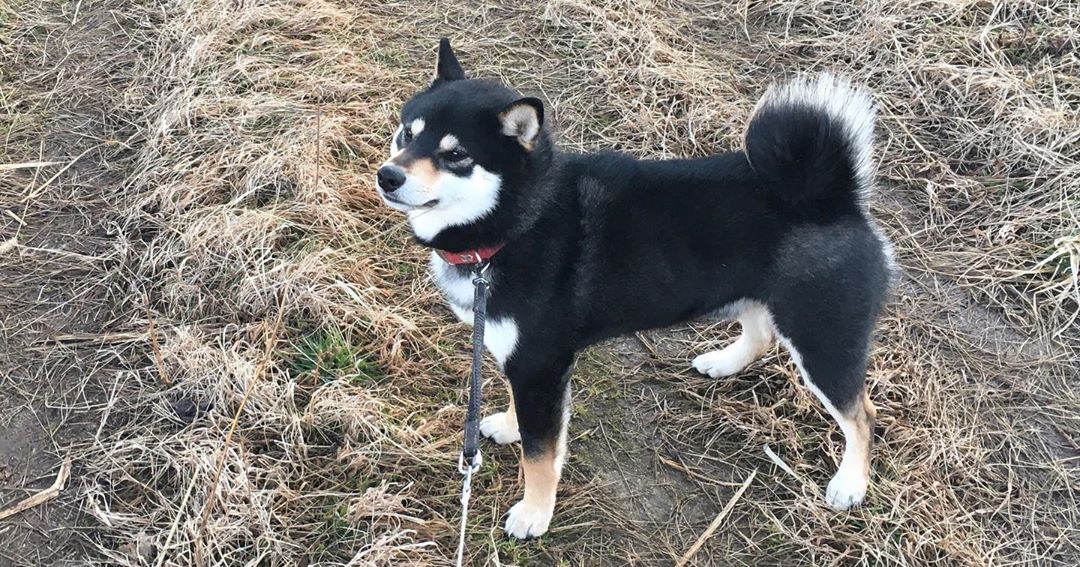
Why Your Lancashire Heeler Needs Professional Grooming
The Lancashire Heeler may be small -- just 10 to 17 pounds of compact muscle -- but this little British cattle dog carries a coat that produces shedding volume completely disproportionate to its body size. Originally bred to drive cattle and catch rats on Lancashire farms, the breed developed a dense, weather-resistant double coat that was built for outdoor work in English drizzle.
That coat now lives in your home. And despite what its manageable size might suggest, it needs professional grooming attention.
Small Dog, Serious Coat
The Lancashire Heeler carries a smooth double coat that appears deceptively simple:
Outer Coat: Fine, hard, flat-lying guard hairs that provide weather protection. In winter, the coat develops a slight ruff around the neck. The texture should feel smooth and dense, never harsh or wiry.
Undercoat: A surprisingly thick layer of fine, soft hair packed against the skin. This is what catches most owners off guard -- the Lancashire Heeler's undercoat is denser than many larger breeds, and it sheds continuously with seasonal surges.
The coat lies flat and neat, making the dog look like a low-maintenance prospect. Underneath that tidy surface is a shedding machine that deposits fine hairs on every surface of your home and needs regular professional management.
Why Professional Grooming Matters for This Breed
Many Lancashire Heeler owners skip professional grooming because the breed looks "easy." They are wrong, and their furniture pays the price. Here is what professional grooming provides that home care cannot replicate:
Thorough Undercoat Removal: The Lancashire Heeler's undercoat is fine and dense -- the kind that slips through most home brushes while staying packed against the skin. Professional high-velocity dryers blast loose undercoat free, and industrial-grade de-shedding tools reach the deepest layers. One professional de-shedding session removes more dead coat than a month of home brushing.
Skin Health Assessment: The Lancashire Heeler can be prone to a condition called primary lens luxation (PLL), which is genetic, and their skin can develop allergies and sensitivities. Under the flat-lying coat, irritation and hot spots hide effectively. Professional groomers examine the skin systematically during every session, catching issues early.
According to the Lancashire Heeler Club breed health data, dermatological issues account for approximately 15% of health concerns reported in the breed. Regular professional grooming with thorough skin inspection helps identify these issues before they require veterinary intervention.
Proper Bathing and Complete Drying: The dense undercoat is surprisingly difficult to wet to the skin and even harder to dry completely. Professional bathing systems penetrate the coat, and high-velocity dryers ensure no moisture remains trapped against the skin -- a common source of bacterial growth and odor.
Ear and Nail Maintenance: The Lancashire Heeler has erect or tipped ears that are less prone to infection than pendant ears but still need regular cleaning. Their nails grow quickly due to their small, compact feet, and many owners find professional nail trimming easier than battling a squirmy 12-pound dog at home.
What a Professional Session Includes
A proper Lancashire Heeler grooming appointment covers:
De-Shedding Treatment: High-velocity blow-out followed by thorough work with a de-shedding tool or rubber curry to remove dead undercoat. This is the highest-value service for this breed.
Bath: Warm water with a gentle, coat-appropriate shampoo that cleans without stripping natural oils. The flat coat benefits from a light conditioning rinse that maintains sheen.
Complete Blow-Dry: Every bit of undercoat must be dried to prevent moisture-related skin issues. For a Lancashire Heeler, this takes 15-20 minutes with professional equipment.
Minimal Trimming: The Lancashire Heeler is a natural breed requiring virtually no trimming. Feet may be tidied, sanitary areas cleaned up, and whiskers left intact. Any groomer who suggests clipping or shaping the body coat does not understand this breed.
Nail, Ear, and Pad Care: Nails shortened (these little dogs are notoriously resistant to nail trims -- a professional makes it safer), ears cleaned, paw pads checked and trimmed of excess hair.
The Shedding Situation
Lancashire Heelers shed year-round at a moderate rate, with two significant seasonal blows:
Spring Shed: The winter undercoat (including the seasonal neck ruff) releases over 2-3 weeks. The volume is startling from such a small dog. Fine hairs coat clothing, furniture, and seem to appear in impossible locations.
Fall Transition: A lighter shed as the summer coat gives way to the denser winter coat. Less dramatic than spring but still noticeable.
Daily Reality: Even outside of seasonal blows, expect fine hairs on dark clothing, upholstery, and in corners. Regular professional de-shedding sessions significantly reduce the volume of hair in your home.
The Health Connection
Professional grooming provides health benefits specific to the Lancashire Heeler:
- Early detection: Skin lumps, parasites, and irritation are found during hands-on grooming before they become serious
- Coat quality: Regular de-shedding promotes healthy new coat growth and maintains the flat, shiny appearance that indicates good health
- Joint comfort: For an active, low-to-ground breed, keeping nails properly shortened prevents gait issues and joint stress
- Hygiene: The low body clearance means belly and sanitary areas need regular attention
How Often Should a Lancashire Heeler Be Groomed?
Most Lancashire Heelers thrive on an 8-10 week professional grooming cycle:
- Every 8-10 weeks: Full professional groom with de-shedding focus
- Spring coat blow: 1 additional de-shedding session
- Home maintenance: Brush with a rubber curry or bristle brush 2-3 times weekly
- Nails: Every 3-4 weeks (professionally or at home)
Finding a Groomer for a Rare Breed
With approximately 3,000 Lancashire Heelers worldwide (the breed only received full AKC recognition in 2024), most groomers have never seen one. When searching:
- Describe the breed as a small, smooth-coated double-coated dog similar in coat type to a Corgi
- Emphasize that no clipping or shaping is needed -- this is a natural breed
- Ask about their de-shedding techniques for smooth double coats
- Share photos showing the correct flat, dense coat appearance
Small Dog, Professional Standards
The Lancashire Heeler may fit in your lap, but its coat needs the same professional attention as any double-coated breed. Regular grooming keeps shedding manageable, skin healthy, and your little cattle dog looking as sharp as it acts. Do not let the small package fool you -- this coat earns its professional grooming appointments.
---
Ready to streamline your grooming workflow? PawOps Board Manager helps salons track every Lancashire Heeler from check-in to pickup with real-time visibility. Start your free 30-day trial →
Related Reading: