Understanding Your Lhasa Apso's Coat: From Tibetan Temple to Your Living Room
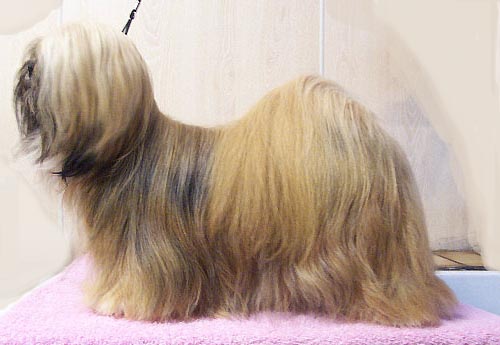
Understanding Your Lhasa Apso's Coat: From Tibetan Temple to Your Living Room
The Lhasa Apso's coat is a masterwork of natural engineering, developed over 1,000+ years in one of the most extreme environments on Earth. At elevations above 13,000 feet in the Tibetan Plateau, temperatures swing from scorching daytime sun to sub-zero nights. The Lhasa Apso coat was built to handle both.
Now that coat is in your temperature-controlled home, and it still grows, sheds, and tangles like it's preparing for a Himalayan winter. Understanding how it works is the key to managing it.
Lhasa Apso Coat Structure: Two Layers, One Purpose
The Lhasa Apso has a true double coat:
The Outer Coat
Long, straight, heavy, and dense. The outer coat is what gives the Lhasa its characteristic flowing, parted-down-the-middle appearance. In full coat, these hairs can reach the ground.- Texture: Coarse and heavy (not silky like a Maltese or Yorkie)
- Function: Deflects wind, rain, and snow
- Growth pattern: Grows continuously and needs regular trimming or maintenance
- Part: The coat naturally parts down the center of the back
The Undercoat
Softer, finer, and shorter than the outer coat. The undercoat sits close to the body and provides insulation.- Texture: Soft and woolly
- Function: Temperature regulation (warmth in cold, cooling barrier in heat)
- Shedding: The undercoat sheds, but most loose hair gets trapped in the outer coat (creating mats) rather than falling to the floor
Here's a surprising fact: the Lhasa Apso's coat is so dense that it was traditionally used as insulation in Tibetan monasteries. Monks would collect shed fur and use it to stuff cushions and blankets. The coat's insulating properties are comparable to sheep's wool.
The Coat Transition: Puppy to Adult
This is the period that catches most Lhasa Apso owners off guard, and it's the number one reason puppies end up severely matted.
Between approximately 8 months and 2 years of age, the Lhasa Apso coat transitions from a soft, fine puppy coat to a coarser, heavier adult coat. During this transition:
- The new coarser hairs grow in alongside the remaining soft puppy hairs
- The two textures tangle relentlessly
- Matting can happen overnight -- literally
- Daily brushing is mandatory during this period
- Professional grooming should be every 3-4 weeks during transition
Lhasa Apso Coat Colors
Lhasa Apsos come in a remarkable range of colors:
- Gold/golden -- The most classic and recognizable color
- Black -- Solid or with tan markings
- White -- Pure or with cream tones
- Slate/gray -- From light silver to dark charcoal
- Red/dark red -- Rich, warm tones
- Parti-color -- Multiple colors in patches
- Brindle -- Striped pattern overlay
- Cream -- Soft, warm off-white
The only grooming consideration related to color: lighter-colored Lhasa Apsos (white, cream, gold) show tear staining more visibly, which means more frequent facial cleaning.
How the Lhasa Apso Coat Grows
Unlike breeds where coat growth reaches a set length and stops, Lhasa Apso coat grows continuously. Left uncut, it will keep growing until it reaches the floor and beyond.
Growth rate: Approximately 0.5-1 inch per month Full floor-length coat: Typically achieved by age 3-4 for dogs that start growing from puppyhood without cutting Hair growth cycle: Longer growth phase (anagen) than shedding breeds, which is why less hair falls out onto floors
This continuous growth means regular trimming is necessary regardless of whether you keep a short or long style. A Lhasa in a puppy cut needs trimming every 4-6 weeks. A Lhasa in full coat needs shaping and maintenance every 2-3 weeks.
Common Lhasa Apso Coat Problems
Matting
The breed's number one coat issue. Mats form when loose undercoat tangles with outer coat hairs, especially in:- Behind the ears
- Under the front legs (armpits)
- Around the collar or harness area
- On the belly
- Between the hind legs
Tear Staining
The facial hair around Lhasa Apso eyes catches tears, creating reddish-brown staining. Contributing factors:- Eye shape and lid conformation
- Blocked tear ducts (common in the breed)
- Yeast growth in consistently moist facial hair
- Diet (some foods worsen staining)
Dry, Brittle Coat
Lhasa Apsos living in dry climates or heated homes can develop dry, brittle coats that tangle more easily and break off. Humidity management, conditioning products, and omega fatty acid supplementation help.Hot Spots
Moisture trapped under mats or in poorly dried areas of the coat can create hot spots -- painful, infected patches of skin that spread quickly.Seasonal Changes
While Lhasa Apsos don't have dramatic seasonal blowouts, many experience slightly increased shedding in spring and fall. This coincides with the times matting risk is highest.Caring for Your Lhasa Apso's Coat
For Long Coats (Show or Modified)
Daily:
- Line brush the entire coat from skin to tips using a pin brush
- Verify with a metal comb (if the comb doesn't slide through, there's a tangle)
- Spritz with conditioning spray before brushing (never brush a dry Lhasa coat)
- Clean face and eye area
- Thorough comb-through of all friction zones
- Topknot or banding maintenance
- Ear check
- Bath, condition, blow dry
- Full brushing and combing
- Trim feet, sanitary area, face
- Nail trim, ear clean, teeth
For Short Coats (Puppy Cut)
3-4 times per week:
- Quick brush with slicker brush
- Check friction zones for developing tangles
- Facial cleaning
- Full bath and blow dry
- Body clip and scissor finish
- Face and feet trimming
- Standard health maintenance
Essential Tools for Lhasa Apso Coat Care
- Pin brush (for daily long-coat care)
- Slicker brush (for shorter cuts and tangle removal)
- Metal greyhound comb (for verification -- the final test of mat-free)
- Detangling spray (never brush dry coat)
- Leave-in conditioner (for long coats between baths)
The Decision: Long Coat vs. Short Coat
This is a practical decision, not a moral one. Here's the honest breakdown:
| Factor | Full Long Coat | Puppy Cut | |--------|---------------|----------| | Daily brushing time | 20-30 minutes | 5-10 minutes, 3-4x/week | | Professional grooming frequency | Every 2-3 weeks | Every 4-6 weeks | | Annual grooming cost | $1,450-$2,550 | $500-$850 | | Matting risk | Very high | Low-moderate | | Visual impact | Stunning | Adorable | | Practical for most families | No | Yes |
Most pet Lhasa Apsos live happier lives in a shorter cut. Use our free pricing calculator → The dog doesn't care about the aesthetics -- they care about being comfortable and mat-free.
The Living Legacy
Your Lhasa Apso's coat carries 1,000 years of Tibetan heritage in every strand. It's an extraordinary piece of natural engineering that was perfected in one of the harshest environments on Earth.
Whether you keep it long and flowing or short and practical, treating that coat with the respect it deserves -- through consistent care, professional grooming, and appropriate maintenance -- keeps your Lhasa healthy, comfortable, and looking like the regal temple guardian they were born to be.
---
Ready to streamline your grooming workflow? PawOps Board Manager helps salons track every Lhasa Apso from check-in to pickup with real-time visibility. Start your free 30-day trial →