Understanding Your Maltese's Coat: What Every Owner Should Know
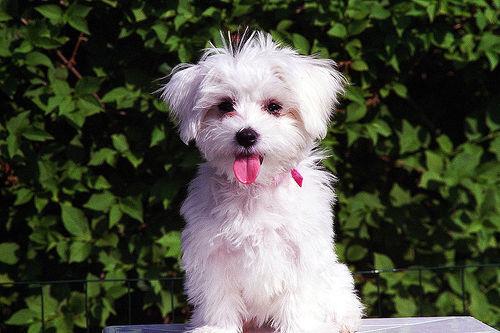
Understanding Your Maltese's Coat: What Every Owner Should Know
The Maltese coat is in a category all its own. It is not fur. It is hair. That distinction matters more than you might think, and understanding it changes everything about how you care for your dog.
Whether your Maltese sports a flowing show coat or a practical puppy cut, the fundamentals of this remarkable hair type apply to every Maltese owner.
Hair vs. Fur: Why the Maltese Is Different
Most dogs have fur, which grows to a genetically predetermined length, stops, and falls out (shedding). Maltese have hair, which grows continuously without a set stopping point, much like human hair.
This distinction creates several practical differences:
- Minimal shedding. Maltese lose very little hair. What they do lose tends to stay in the coat rather than falling to your floor. This makes them a popular choice for people with allergies.
- Continuous growth requires regular cutting. Without haircuts, a Maltese's coat will grow indefinitely. Show Maltese have coats reaching the floor and beyond.
- Single coat structure. Maltese have no undercoat. Just one layer of fine, silky hair. This means no seasonal shedding cycles and no coat blows.
- Temperature sensitivity. Without an insulating undercoat, Maltese are more sensitive to cold than double-coated breeds. That cute sweater is not just for fashion. It serves a real purpose in winter.
Maltese Coat Texture and Quality
The ideal Maltese coat is described as silky, straight, and flat-hanging. The hair should feel smooth and slightly slippery between your fingers, without any curl or wave.
In reality, Maltese coat texture varies significantly from dog to dog:
Silk coat. The ideal. Smooth, shiny, and hangs straight. This texture tangles less than other types but still requires regular brushing. Silk coats are more common in show-bred lines.
Cotton coat. Softer, thicker, and more prone to matting. The hair has a slightly fluffy or cottony texture rather than lying flat. Many pet-bred Maltese have cotton coats. They require more frequent brushing and grooming.
Wavy or curly coat. Some Maltese develop a slight wave or curl, particularly after puppyhood. This is considered a fault in show dogs but is perfectly fine for pets. Wavy coats tangle more and require consistent brushing.
Your Maltese's coat texture is largely genetic, but nutrition, grooming products, and maintenance all influence how the hair feels and behaves.
Coat Growth Stages
Puppy coat (birth to 8-12 months): Maltese puppies have a softer, shorter coat that is easier to manage. This is the honeymoon period of Maltese ownership. Enjoy it.
Transition phase (8-18 months): The adult coat starts coming in, and this is where things get interesting. The coat may change texture, thicken, and become significantly more tangle-prone. Many owners find this the most challenging grooming phase.
Adult coat (18 months+): The coat reaches its mature texture and growth pattern. What you see now is what you get. Growth rate stabilizes at roughly 0.5 to 0.75 inches per month.
A data point for planning: a Maltese in a puppy cut (2 inches) that skips a grooming appointment will have approximately 3 to 3.5 inches of growth after 8 weeks. That extra inch to inch and a half can mean the difference between easy maintenance and tangled frustration.
Tear Staining: The Maltese Owner's Ongoing Challenge
Tear staining is the reddish-brown discoloration that appears below the eyes on the white coat. It is one of the most common concerns Maltese owners bring up.
What causes it:
- Epiphora (excessive tearing). Maltese often have slightly shallow eye sockets or partially blocked tear ducts that cause tears to overflow onto the face rather than draining normally.
- Porphyrin. Tears contain an iron-based molecule called porphyrin. When porphyrin sits on white hair and is exposed to sunlight, it oxidizes and turns reddish-brown.
- Moisture breeds bacteria. The perpetually damp area below the eyes can develop red yeast (Malassezia), which contributes to the discoloration.
Common Maltese Coat Problems
Matting
The number one issue. Maltese hair mats readily, especially behind the ears, under the front legs, in the groin area, and wherever harnesses or clothing create friction.Small mats tighten into painful clumps that pull on the skin. Severe matting can restrict blood flow and harbor bacteria. What starts as a minor tangle on Monday can become a solid mat by Friday.
Prevention: Brush every other day minimum. Use detangling spray. Address small tangles immediately before they tighten.
Yellowing
White Maltese coats sometimes develop a yellowish tinge, particularly around the mouth and feet. Causes include food staining, saliva oxidation, and contact with grass.Management: Whitening shampoos during professional grooming, face wiping after meals, and paw cleaning after outdoor time.
Breakage
Fine Maltese hair breaks easily if brushed dry, pulled through mats roughly, or damaged by heat styling. Broken hair creates an uneven, frizzy appearance.Prevention: Always use detangling spray before brushing. Never brush completely dry hair. Use gentle, patient strokes.
Static
Dry indoor air (especially in winter with central heating) creates static that makes Maltese hair fly away, tangle, and attract lint.Management: Leave-in conditioner spray, humidifiers in the home, and anti-static grooming products.
Your Maltese Coat Care Toolkit
Every Maltese owner needs:
Brushing Technique for Maltese
The right technique matters as much as the right tools:
A complete brushing session takes 10 to 15 minutes for a puppy cut and 20 to 30 minutes for a longer coat. Think of it as quality time with your dog, not a chore.
Working With Your Groomer
Your groomer is your partner in maintaining this demanding coat. Here is how to maximize that relationship:
- Be honest about your brushing frequency. If you missed a week, say so. The groomer will adjust the plan.
- Bring reference photos. "Short" and "puppy cut" mean different things to different people. Show your groomer exactly what you want.
- Discuss tear staining openly. Your groomer may recommend products or dietary changes based on what they see.
- Ask about coat conditioner treatments. Deep conditioning during professional grooming can improve hair texture and reduce tangling between visits.
Your Maltese's coat is demanding, gorgeous, and unlike any other breed's. Understand it, invest in proper care, and your little white companion will turn heads wherever you go.
Frequently Asked Questions
Do Maltese shed at all?
Minimally. Maltese lose some hair (like humans), but it tends to stay in the coat rather than falling out. This makes them low-shedding but high-maintenance since the trapped hair contributes to matting.Why is my Maltese's coat curly instead of straight?
Coat texture is largely genetic. Some Maltese, particularly from pet-breeding lines, develop wavy or slightly curly coats. This is normal and healthy, just different from the show-standard silky straight coat. It may require slightly different grooming products.How fast does Maltese hair grow?
Approximately 0.5 to 0.75 inches per month. A Maltese that gets a 2-inch puppy cut will have about 3 to 3.5 inches of hair after 8 weeks, which is why regular grooming appointments every 4-6 weeks keep the coat manageable.Can I use human hair products on my Maltese?
Some human products work fine on Maltese hair due to the structural similarity. However, dog-specific products are formulated for canine skin pH (6.5-7.5 versus human 4.5-5.5) and are generally safer. Using human shampoo occasionally is unlikely to cause harm, but consistent use may irritate the skin.Why does my Maltese's coat look different than other Maltese I see?
Coat texture varies widely in the breed. Show-bred Maltese tend to have silkier, straighter coats. Pet-bred Maltese often have thicker, softer, or slightly wavy coats. Both are perfectly normal and healthy. Your grooming routine may just need to be adjusted for your specific dog's texture.---
Ready to streamline your grooming workflow? PawOps Board Manager helps salons track every Maltese from check-in to pickup with real-time visibility. Start your free 30-day trial →