Understanding Your Manchester Terrier's Coat: What Every Owner Should Know
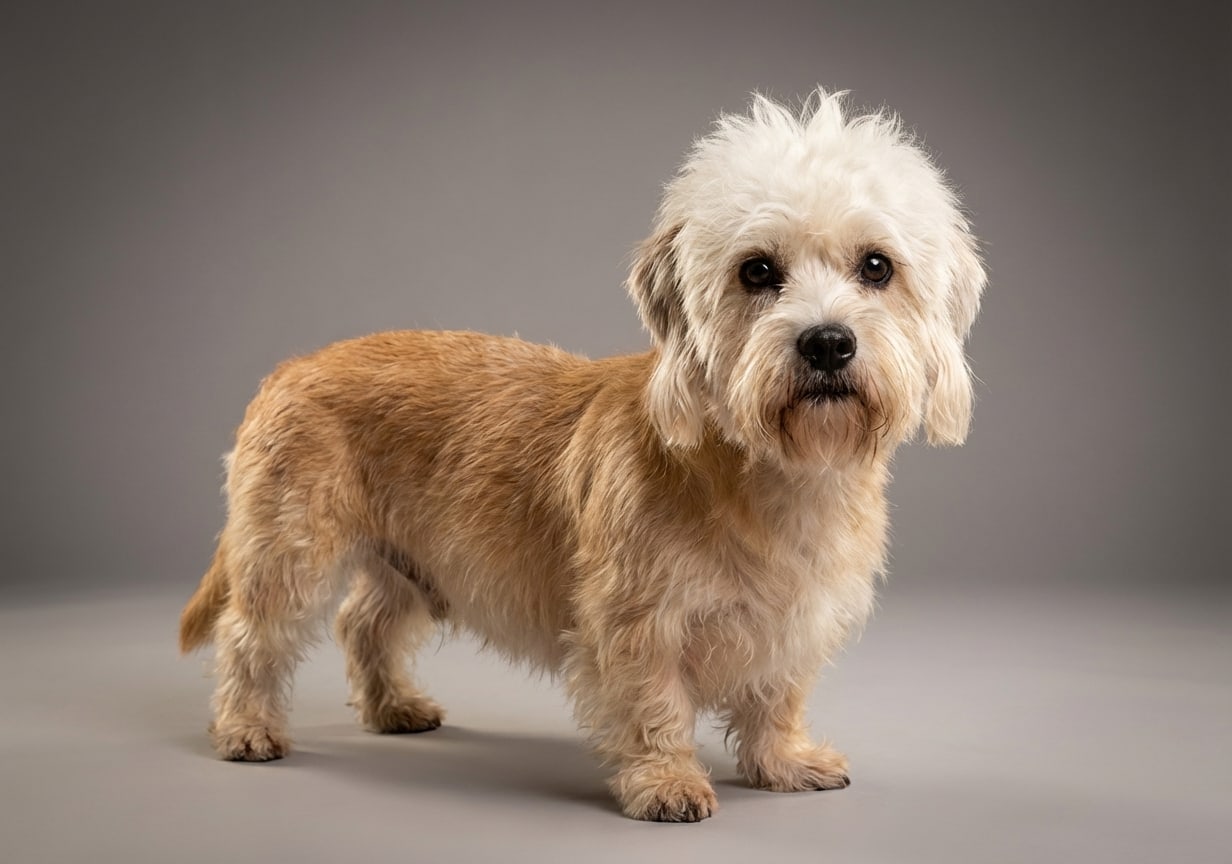
The Manchester Terrier's coat is a thing of simple beauty -- jet black with rich mahogany tan markings, smooth as satin, and gleaming when healthy. It's one of the breed's most striking features and one of the most frequently misunderstood. That sleek, short coat has requirements that surprise many first-time Manchester owners.
Coat Structure: The Single-Coat Reality
Unlike most terrier breeds, the Manchester Terrier carries a single coat. No dense undercoat, no insulating layer, just one smooth covering of short, tight-lying hair over the skin.
This single-coat structure means:
Less shedding (but not no shedding): Without an undercoat to blow seasonally, Manchesters shed moderately year-round rather than in dramatic seasonal waves.
More skin exposure: Every environmental irritant -- sun, cold, chemicals, allergens -- reaches the skin more readily without an undercoat buffer.
Faster temperature changes: Manchesters feel cold and heat more quickly than double-coated breeds. This affects their comfort and activity levels.
Visible skin issues: Problems show up faster -- which is actually an advantage for early detection.
A 2022 comparative study on canine coat types found that single-coated breeds have 30% thinner epidermis than double-coated breeds, making skin protection and maintenance proportionally more important.
The Color Pattern: More Than Just Pretty
Manchester Terrier markings follow a precise pattern that's been standardized for over 150 years:
Jet black: The primary body color. Should be deep, rich black without rustiness or brown tones.
Mahogany tan: Present on specific areas -- muzzle, chest (small spot), above each eye, throat, inside ears, inner forelegs, "kissing spots" on cheeks, vent area, and lower legs.
Clear division: The boundary between black and tan should be distinct, not blended or smudged.
Coat care directly affects these colors:
- Over-bathing with harsh products causes black to appear rusty or brown
- Sun overexposure fades black areas
- Nutritional deficiency dulls both black and tan
- Proper care keeps black truly black and tan richly warm
How Manchester Coat Grows
Single-coat hair growth in Manchesters follows a different pattern than double-coated breeds:
Growth cycle: Individual hairs cycle through growth (anagen), transition (catagen), and rest/shed (telogen) independently. There's no synchronized seasonal blow.
Growth rate: Manchester Terrier hair grows approximately 1/4 inch per month. Since the breed standard coat length is about 1/2 inch, each hair's lifecycle is relatively short.
Shedding pattern: Continuous, low-level shedding year-round. You'll find short, stiff black and tan hairs on furniture and clothing -- less volume than a double-coated breed but harder to remove due to the hair's stiff texture.
Density: Despite being a single coat, Manchester hair is dense -- packed tightly across the body. This density provides more protection than the "single coat" label suggests.
Shine: The Health Indicator
A healthy Manchester Terrier coat gleams. The shine comes from:
Natural oils (sebum): Produced by sebaceous glands in the skin, these oils coat each hair shaft and create the reflective surface that gives Manchesters their legendary gloss.
Hair cuticle condition: Each hair has microscopic overlapping scales (cuticles). When these lie flat and intact, they reflect light evenly. Damage or dryness causes them to lift, creating a dull appearance.
Skin health: Healthy skin produces appropriate oil levels. Too little = dry, dull coat. Too much = greasy, limp coat.
The takeaway: if your Manchester's coat is dull, the problem is rarely the coat itself -- it's the skin or overall health beneath it.
Seasonal Behavior
While Manchesters don't have dramatic seasonal coat changes, subtle shifts occur:
Winter: Coat becomes slightly denser as the body produces marginally more hair for insulation. Skin tends to dry out from indoor heating. This is when you're most likely to see flaking or itching.
Spring: Slight increase in shedding as the minimal winter-extra coat releases. The lightest shedding period of the year follows.
Summer: Coat at its thinnest and sleekest. Pink-skinned areas (belly, inner thighs) are vulnerable to sunburn. The tan markings may appear slightly lighter in direct sun.
Fall: Coat begins slight thickening. Oil production may increase as skin prepares for drier winter conditions.
Home Maintenance Guide
Manchester Terrier home care is straightforward but should be consistent:
Daily (2 minutes):
- Quick visual check while petting -- look for redness, bumps, or dry patches
- Note any changes in coat shine or texture
- Rubber curry brush or grooming mitt over entire body
- This removes loose hair, distributes oils, and stimulates circulation
- Check ears for wax buildup
- Wipe face wrinkles if present (Toy variety sometimes has slight facial folds)
- More thorough inspection of skin -- lift legs, check belly, look between toes
- Clean ears with vet-approved solution
- Assess nail length (active Manchesters may need trimming every 2-3 weeks)
Bathing: The Fine Balance
Bathing a Manchester Terrier is a balance between cleanliness and coat health:
Frequency: Every 4-6 weeks for most Manchesters. More frequent if they have skin conditions requiring medicated shampoo. Less frequent if their coat stays clean and shiny naturally.
Products: Use a gentle, pH-balanced dog shampoo. For black coats, a color-enhancing formula can maintain depth. Avoid human shampoo (wrong pH), dish soap (too stripping), and heavy conditioners (weigh down the sleek coat).
Technique: Warm (not hot) water. Lather gently -- Manchester skin doesn't need aggressive scrubbing. Rinse completely -- residue causes itching and dullness. Follow with a light coat spray if desired.
Drying: Towel dry thoroughly, then either air dry or use a low-heat dryer. High heat damages the cuticle and can dry the skin.
Common Coat Issues in Manchesters
Pattern baldness (Alopecia): Some Manchesters develop thinning or bald patches on ears, chest, or thighs. This is genetic and more common in the breed than many realize. No cure, but managing skin health in affected areas prevents secondary infections.
Coat dullness: Usually nutritional (lacking omega-3s or protein quality), product-related (wrong shampoo), or health-related (thyroid, liver). Not a cosmetic problem -- it's a diagnostic signal.
Dry, flaky skin: Common in winter. Humidifying your home, adding omega-3 to diet, and using moisturizing (not softening) grooming products helps.
Greasy coat: Overactive oil glands, often diet-related or hormonal. Professional grooming with degreasing products normalizes oil production over time.
Sun damage: Faded black areas, reddened skin on thin-coated zones. Use pet-safe sunscreen on exposed areas and limit midday sun exposure in summer.
Nutrition and Coat Connection
The Manchester's coat responds dramatically to nutrition:
Protein: The coat is keratin (protein). High-quality animal protein sources produce demonstrably better coats than plant-based fillers. Look for named meat as the first ingredient.
Omega-3 fatty acids: Fish oil or salmon-based diets enhance shine, reduce inflammation, and support skin health. Research shows visible coat improvement within 4-6 weeks of supplementation.
Zinc: Deficiency causes dull, brittle coat and poor skin health. Ensure adequate zinc in the diet or supplement.
Biotin: Supports coat growth and quality. Found naturally in eggs, liver, and some fish.
A 2024 pet nutrition study found that dogs fed diets with adequate omega-3 levels showed 40% higher coat shine measurements than those on deficient diets -- measured by spectrometer reflectance.
Coat Care Through Life Stages
Puppy (birth to 12 months): Puppy coat is softer and slightly longer than adult coat. It transitions naturally around 6-9 months. Gentle grooming establishes positive associations.
Adult (1-8 years): Prime coat years. Consistent maintenance produces the best results. This is when coat problems most clearly indicate health issues.
Senior (8+ years): Coat may thin slightly, become slightly duller, or develop gray hairs around the muzzle. Gentle products and more frequent professional care support aging skin.
Your Manchester's coat is their calling card -- that unmistakable gleam is the breed's signature. Maintaining it requires understanding that with a single-coated breed, skin health drives everything. Take care of the skin, and the coat takes care of itself.
---
Ready to streamline your grooming workflow? PawOps Board Manager helps salons track every Manchester Terrier from check-in to pickup with real-time visibility. Start your free 30-day trial →