Why Your Mountain Cur Needs Professional Grooming
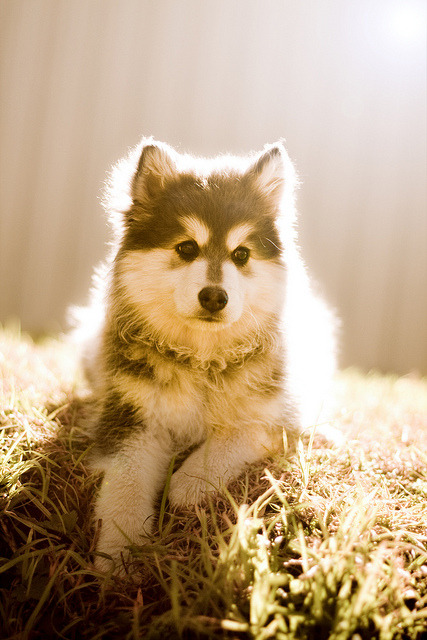
Why Your Mountain Cur Needs Professional Grooming
The Mountain Cur is the original American frontier dog -- a versatile hunter, guardian, and companion that helped settlers survive in the Appalachian and Ozark Mountains. These dogs were bred to be tough, self-sufficient, and low-maintenance. And compared to most breeds, they are.
But "low-maintenance" in the 19th-century mountains and "low-maintenance" in a 21st-century home are different things. Your Mountain Cur has grooming needs that, when handled by a professional, prevent health problems and keep this working breed in top condition.
The Mountain Cur Coat: Built for the Woods
The Mountain Cur carries a short to medium-length double coat. The outer coat is dense, straight, and close-lying with a slightly rough texture. Underneath sits a soft, fine undercoat that provides insulation during cold mountain winters and early morning hunts.
This coat was built for function:
- Dense enough to deflect thorns, briars, and underbrush
- Short enough to prevent snagging on branches
- Double-layered for temperature regulation in variable mountain weather
- Quick-drying after creek crossings and rain
Why Home Grooming Is Not Enough
Mountain Cur owners tend to be practical people. They figure a good brushing and a hose-down in the yard covers grooming needs. And for surface maintenance, that works. But professional grooming addresses what home care cannot:
Deep Undercoat Removal: The Mountain Cur's undercoat sheds heavily twice a year. Home brushing removes surface loose hair, but the dense undercoat compacts against the skin. Professional high-velocity dryers blow dead undercoat out from the root, removing 3-5 times more dead hair than a brush alone. According to grooming industry data, dogs receiving regular professional deshedding have 40% fewer skin irritation issues than those relying on home brushing only.
Comprehensive Ear Care: Mountain Curs typically have medium-sized ears that fold over partially or fully. While not as extreme as a Bloodhound's ears, the folded position still traps moisture and debris. Professional ear cleaning every 6-8 weeks prevents the buildup that leads to infections -- especially important for dogs that swim, hunt in wet conditions, or live in humid climates.
Skin Assessment: The Mountain Cur's dense coat hides skin issues effectively. Hot spots, fungal infections, and allergic reactions can go undetected for weeks under the thick covering. Professional groomers part the coat systematically and inspect the skin throughout the session, catching problems early.
Nail Management: Mountain Curs are active dogs, but modern surfaces do not wear nails the way mountain rock does. Overgrown nails change the foot's angle and stress joints. Dark nails (common in this breed) make home trimming risky. Professional groomers trim dark nails safely using experience and proper tools.
Sanitary Maintenance: The coat around the rear and underbelly can collect debris and waste. Professional trimming of sanitary areas keeps the dog clean and reduces the risk of bacterial skin infections.
The Working Dog Argument
If your Mountain Cur works -- whether hunting, herding, or guarding property -- professional grooming is even more critical.
Tick and Parasite Detection: Mountain Curs work in exactly the environments where ticks, fleas, and other parasites thrive. The dense coat provides hiding spots that casual inspection misses. Professional groomers run their hands and tools over every square inch, finding parasites that would otherwise go undetected. A single tick transmitting Ehrlichiosis or Lyme disease costs $500-$1,200 in veterinary treatment. Use our free pricing calculator →
Wound Discovery: Active working dogs sustain minor injuries -- small cuts from brush, thorn punctures, abrasions from rocky terrain. These hide under the dense coat and can become infected if not cleaned and treated. Groomers regularly discover healing wounds that owners had no idea existed.
Performance Optimization: A properly maintained coat performs better in the field. Deshedded coat provides better airflow for temperature regulation during intense exercise. Clean ears prevent the distraction of irritation. Trimmed nails provide better traction.
What a Professional Session Includes
A typical Mountain Cur grooming appointment:
Total time: 35-50 minutes. Efficient, thorough, and focused on function.
How Often Should Your Mountain Cur Be Groomed?
- Every 6-8 weeks for companion dogs
- Every 4-6 weeks for active hunting or working dogs during their busy season
- Spring and fall add a dedicated deshedding session during coat transitions
- Post-hunt or post-field consider a professional bath and tick check after extended outdoor work
Finding the Right Groomer
Look for a groomer who:
- Works with sporting and working breeds regularly
- Uses high-velocity dryers (not cage dryers only)
- Understands double-coat maintenance (no shaving)
- Can handle a strong, confident dog
- Has experience with dark nail trimming
Respect the Working Coat
The Mountain Cur has been an American working dog for over 200 years. That coat is part of its heritage and its function. Professional grooming does not alter the coat -- it maintains it the way mountain living used to. Clean, deshedded, healthy, and ready for whatever comes next. Your Cur works hard. Professional grooming works for them.
---
Ready to streamline your grooming workflow? PawOps Board Manager helps salons track every Mountain Cur from check-in to pickup with real-time visibility. Start your free 30-day trial →
Related Reading: