Why Your New Guinea Singing Dog Needs Professional Grooming
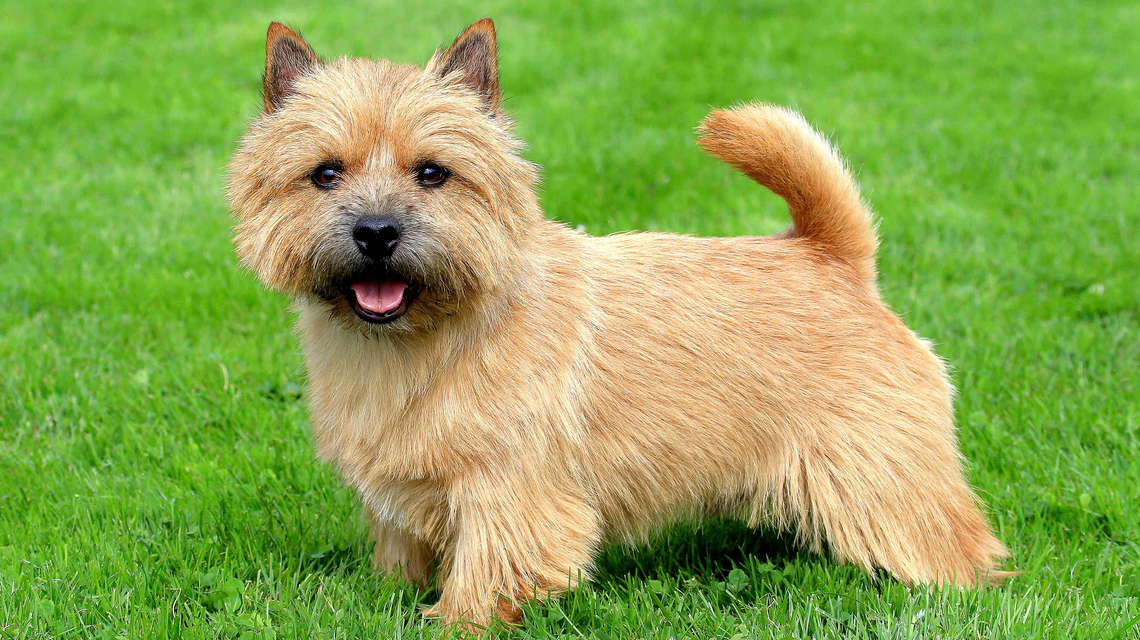
Why Your New Guinea Singing Dog Needs Professional Grooming
The New Guinea Singing Dog (NGSD) is among the rarest and most ancient canids on earth. With a total captive population estimated at fewer than 200-300 dogs worldwide and a wild population once thought extinct (until highland sightings in 2016 confirmed surviving populations), owning an NGSD places you in an extraordinarily small community of caretakers for a living fossil.
Their coat -- a plush, fox-like double coat adapted to the tropical highlands of New Guinea -- requires professional care that honors both the breed's wild nature and its specific grooming needs.
The NGSD Coat: Highland Tropical Double Coat
Outer coat: Medium-length, straight to slightly wavy guard hair with a dense, plush texture. Softer than most spitz breeds -- the guard hair has a fox-like quality that gives the NGSD its distinctive appearance.
Undercoat: Moderate density, soft and insulating. Developed for the cool temperatures of New Guinea's highland forests (5,000-14,000 feet elevation), where nighttime temperatures can drop below 40 degrees Fahrenheit even near the equator.
Tail: Carried in a curl or plume with longer, bushier coat. The tail coat is one of the densest areas.
Overall impression: Plush and soft rather than harsh and weather-beaten. The NGSD coat has a distinctive warmth to the touch that sets it apart from harsher-coated primitive breeds.
Colors: Predominantly golden-red to reddish-brown, often with white markings on chest, feet, and tail tip. Some individuals are black and tan. The golden coloring is remarkably consistent across the captive population.
Why Professional Grooming Is Essential
Managing the Double Coat
Despite living in a tropical latitude, the NGSD's highland environment created a legitimate double coat that requires seasonal management:
- Coat blow occurs typically once or twice yearly
- The plush undercoat can mat if not removed during shedding cycles
- Dead undercoat trapped against the skin creates moisture issues in warm, humid conditions
Protecting a Genetic Treasure
With fewer than 300 dogs in captivity worldwide, every NGSD's health matters to the species. Professional grooming provides:
- Systematic skin evaluation (particularly important for detecting issues early in a rare breed with limited veterinary baseline data)
- Parasite detection and management
- Coat condition assessment that may indicate nutritional or health changes
- Documentation of coat and skin health that contributes to the limited knowledge base about this species
The Wild Temperament
NGSDs retain strong wild instincts. They are not domesticated in the same way as conventional dog breeds -- they are wild canids that tolerate captivity. This creates unique grooming challenges:
- Handling sensitivity is significantly higher than domestic breeds
- Stress responses to unfamiliar environments can be intense
- Trust must be built slowly and carefully
- Restraint techniques used on domestic dogs may cause panic
Coat Integrity
The NGSD should never be shaved or clipper-cut. Their double coat:
- Provides UV protection (essential for a breed adapted to high-altitude UV exposure)
- Regulates temperature
- Protects against insect bites
- Maintains the species-characteristic appearance important for conservation and identification
What Professional NGSD Grooming Includes
Session length: 45-70 minutes. Varies significantly based on the individual dog's tolerance.
Grooming Schedule
- Professional grooming every 8-12 weeks
- More frequent during coat blow (every 4-6 weeks until undercoat release is complete)
- Home brushing 1-2 times weekly
- Nail monitoring (NGSDs may not wear nails down naturally in captivity)
Finding an NGSD Groomer
This is perhaps the greatest challenge. Almost no groomer has ever encountered an NGSD. Your approach:
- Contact the New Guinea Singing Dog Conservation Society for any grooming recommendations
- Seek groomers experienced with primitive breeds, dingoes, or fox-like breeds
- Consider groomers who work with exotic animals or wildlife education animals
- The NGSD's coat is similar in structure to a Finnish Spitz or a Shiba Inu with softer texture
- Bring reference materials about the breed's temperament to the groomer
Conservation Meets Care
Grooming an NGSD is not just pet maintenance -- it is conservation stewardship. Every interaction with these animals either builds or erodes the trust that allows them to live successfully in human care. Professional grooming that is calm, respectful, and appropriate for a wild-type canid contributes to the quality of life that makes captive conservation viable. You are not just grooming a dog. You are caring for one of the rarest canids on earth.
---
Ready to streamline your grooming workflow? PawOps Board Manager helps salons track every New Guinea Singing Dog from check-in to pickup with real-time visibility. Start your free 30-day trial →
Related Reading: