Understanding Your Newfoundland's Coat: Built for the North Atlantic, Living in Your House
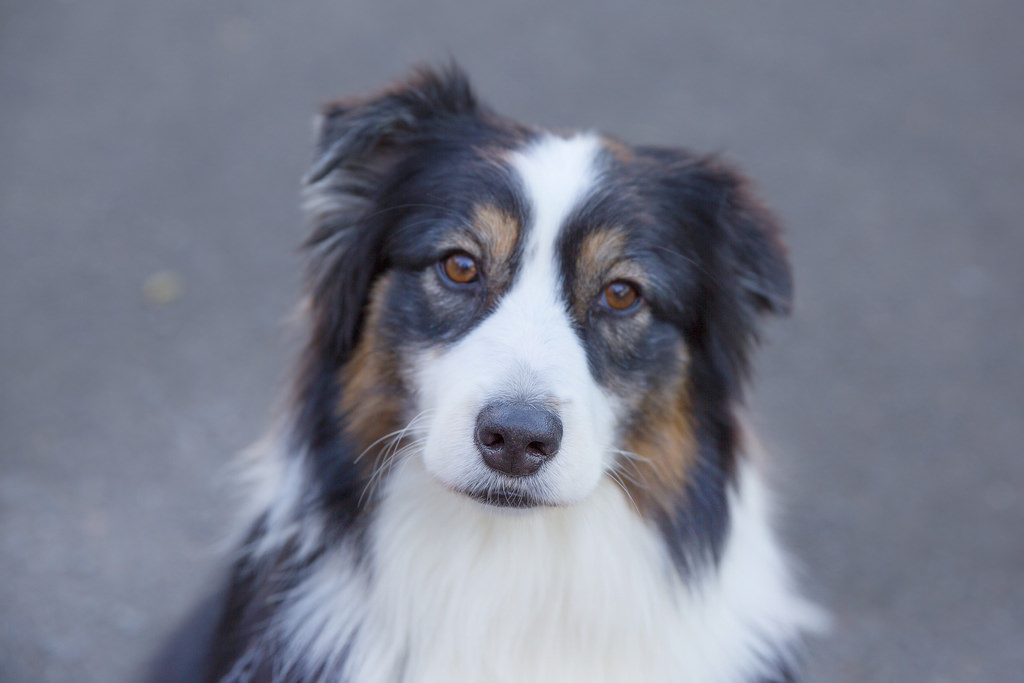
Understanding Your Newfoundland's Coat: Built for the North Atlantic, Living in Your House
The Newfoundland coat is one of nature's great engineering feats. Developed on the island of Newfoundland for dogs that worked alongside fishermen in the North Atlantic, this coat was designed to keep a 150-pound dog warm and buoyant in near-freezing ocean water.
Now it's in your living room. And it still behaves like it's preparing for a rescue mission in the Labrador Sea.
Newfoundland Coat Structure
The Newfoundland wears a heavy, dense, double coat that functions as a natural wetsuit:
The Outer Coat
Long, flat or slightly wavy, coarse, and naturally oily. The outer coat is the Newfoundland's weather shield:- Water-resistant -- Natural oils repel water, keeping the undercoat relatively dry even during swimming
- Flat-lying -- Unlike breeds with stand-off coats, the Newfoundland's outer coat lies relatively flat against the body when wet, reducing drag in water
- Coarse texture -- Resists tangling from water and wind (when properly maintained)
- Length -- 3-6 inches on the body, shorter on the face, longer on the chest (ruff), legs (feathering), and tail
The Undercoat
Dense, soft, and thick -- providing thermal insulation even in cold water:- Insulating -- Traps air for both warmth and buoyancy
- Dense -- Creates a thermal barrier between the skin and the cold environment
- Seasonal -- Thickness varies with climate and season
- The shedding source -- Most loose fur comes from undercoat turnover
Newfoundland Coat Types and Colors
Coat Types
The AKC recognizes one coat type for Newfoundlands, but in practice, there's some variation:- Flat coat -- Lies close to the body, slightly oily. The classic working-dog coat.
- Wavy coat -- Has a gentle wave pattern. Equally functional but can tangle more easily.
- Curly coat -- Not breed standard and rare. A curly coat on a Newfoundland indicates outcrossing and has different grooming needs.
Colors
Black -- The classic, most recognized Newfoundland color. A solid, deep black that looks stunning when well-groomed.
Brown -- Rich chocolate brown. Brown Newfoundlands may lighten with sun exposure, a phenomenon called "sun bleaching" that's cosmetic and harmless.
Gray -- Less common. Ranges from silver to charcoal.
Landseer -- White with black markings. Named after the artist Edwin Landseer who famously painted these dogs. The AKC considers Landseer a color variety of the Newfoundland; the FCI considers it a separate breed.
Surprising fact: a Newfoundland's coat can appear to change color seasonally. Black Newfoundlands often develop a brownish or reddish cast in summer from sun bleaching, returning to deep black after growing in new coat in fall. This is especially noticeable on the outer coat of dogs that spend significant time outdoors.
How the Newfoundland Coat Sheds
Newfoundlands shed heavily. There's no gentle way to say it. The combination of their enormous size and dense double coat produces staggering volumes of loose fur.
Year-round shedding: Moderate to heavy, consistent throughout the year.
Seasonal coat blow: Heavy shedding in spring and fall as the undercoat turns over. These periods last 4-8 weeks and produce truly impressive amounts of fur.
Volume context: During peak shedding, a single Newfoundland can fill a standard kitchen garbage bag with loose fur in one brushing session. Over the course of a full coat blow, you're looking at 10-15 pounds of loose fur.
The Newfoundland's coat sheds slightly differently than some double-coated breeds because the long outer coat tends to trap shed undercoat, creating the matting problem that defines Newfoundland coat management. The fur doesn't just fall to the floor -- it gets caught in the outer coat and forms tangles.
The Water Factor
The Newfoundland's relationship with water directly impacts coat care:
After swimming:
- The coat absorbs and holds significant water volume despite being water-resistant
- A wet Newfoundland can carry 5-10 additional pounds of water in their coat
- Complete drying after swimming is critical -- moisture trapped in the coat leads to hot spots within 24-48 hours
- The undercoat dries much slower than the outer coat, creating a deceptive "dry on the outside, wet underneath" situation
- The coat still benefits from its water-resistant properties during rain and snow
- Rain rolls off the outer coat effectively
- Snow accumulates on the outer coat but rarely penetrates to the skin
Common Newfoundland Coat Issues
Hot Spots
The number one coat-related health issue in Newfoundlands. Moisture trapped under the dense coat creates warm, damp conditions that bacteria love. Hot spots can appear seemingly overnight and spread rapidly.Matting
The long outer coat combined with the dense undercoat creates an ideal environment for matting. Common matting zones:- Behind the ears
- Under the front legs
- In the rear leg feathering (pants)
- The chest ruff
- Where collars or harnesses sit
Sebaceous Cysts
Newfoundlands develop sebaceous cysts (blocked oil glands) at a higher rate than many breeds. These are usually benign but can become infected. Regular grooming catches them early.Coat Blow Skin Irritation
During heavy shedding, the dead undercoat trapped against the skin can cause itching and irritation. Professional deshedding removes this dead coat and relieves the discomfort.Caring for Your Newfoundland's Coat
Weekly Home Routine (30-45 minutes, 3-4 times per week)
- Systematic brushing with an undercoat rake followed by a pin brush
- Check high-mat zones: ears, armpits, pants, ruff
- Quick full-body inspection for lumps, hot spots, or parasites
- Ear check and wipe
Professional Grooming (every 6-8 weeks)
- Complete dematting and brushing
- Full bath with coat-appropriate products
- High-velocity drying (60-90 minutes)
- Deshedding treatment
- Trimming of feet, ears, sanitary area, and feathering
- Nail trim
- Ear cleaning
- Full skin inspection
Post-Swimming Protocol
- Rinse with fresh water immediately (removes lake/ocean minerals)
- Towel dry as thoroughly as possible
- Air dry in a well-ventilated area OR professional force-dry
- Check ears for trapped water
- If professional drying isn't possible, brush through the coat as it dries to prevent mat formation
The Never-Do List
- Never shave a Newfoundland. The coat protects against sunburn, heat, cold, and water. Shaving removes all of these protections and the coat rarely regrows with its water-resistant properties intact.
- Never let a Newfoundland air-dry unsupervised after bathing. The thick coat will stay damp against the skin for hours, creating hot spot conditions.
- Never use human shampoo. The pH is wrong and will strip the coat's natural water-resistant oils.
Nutrition and the Newfoundland Coat
Giant breed nutrition directly affects coat quality:
- Omega-3 fatty acids -- Essential for maintaining the coat's natural oil (water resistance). Fish oil supplementation is particularly beneficial.
- High-quality protein -- Supports the enormous volume of coat growth
- Biotin -- Strengthens hair structure
- Adequate calories -- Giant breed metabolism supports a massive coat. Underfeeding shows in coat quality quickly.
The Newfoundland Coat as a Commitment
Owning a Newfoundland means accepting one of the most demanding coats in the dog world. But there's a reason Newfoundland owners are among the most passionate breed enthusiasts: when that coat is properly maintained -- thick, flowing, gleaming with natural oils -- it's one of the most impressive sights in the dog world.
The commitment is real. The brushing is constant. The grooming bills are significant. But watching your Newfoundland emerge from a lake, coat shedding water like nature intended, moving through the water with the grace their ancestors brought to North Atlantic rescue work? That's the reward for every hour of coat care.
---
Ready to streamline your grooming workflow? PawOps Board Manager helps salons track every Newfoundland from check-in to pickup with real-time visibility. Start your free 30-day trial →