Understanding Your Norwegian Lundehund's Coat: What Every Owner Should Know
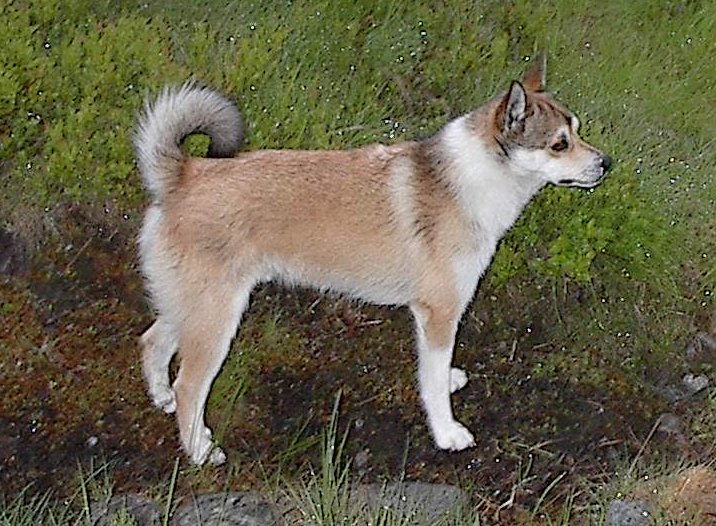
Understanding Your Norwegian Lundehund's Coat: What Every Owner Should Know
The Norwegian Lundehund evolved on the remote Lofoten Islands off Norway's northern coast -- a place of sheer cliffs, Arctic winds, salt spray, and puffin colonies nesting in narrow rock crevices. Every physical characteristic of the Lundehund, including their coat, was shaped by this extreme environment. Understanding this origin story helps you understand the coat you are now responsible for maintaining.
Coat Structure: Nordic Engineering in a Small Package
The Outer Coat
Character: Dense, harsh, and close-lying. The outer coat provides the primary weather barrier. Despite the Lundehund's small size (12-18 pounds), the outer coat has the same structural quality as larger Nordic breeds -- just on a smaller frame.
Length: Short on the head, face, and front of legs. Medium (approximately 1-1.5 inches) on the body. Slightly longer on the neck (creating a mild ruff), back of thighs, and tail (which curls over the back).
Texture: Firm and slightly harsh to the touch. Not wiry like a terrier, but definitely not soft or silky. The texture creates weather resistance -- rain and snow slide off rather than soaking in.
Lie: Flat against the body. The coat should not stand off, puff out, or appear fluffy when properly maintained. A Lundehund should look sleek and athletic, not poufy.
The Dense Undercoat
Proportional density: Here is what surprises owners -- the Lundehund has undercoat density proportional to their Nordic heritage, not their body size. Push your fingers through to the skin of a healthy Lundehund in winter coat, and you will encounter resistance. The undercoat is packed densely.
Texture: Soft, downy, fine fibers that trap air close to the skin. The softness contrasts with the harsh outer coat -- this textural difference is functional (soft insulates, harsh protects).
Color: Typically lighter than the outer coat. Fawn to cream colored regardless of the outer coat shade.
Why so dense on such a small dog: The Lofoten Islands sit above the Arctic Circle. Average temperatures range from 34-55 degrees Fahrenheit. The combination of cold, constant wind, and ocean spray demanded serious insulation even for a 15-pound dog that was climbing and squeezing into rock crevices.
The Tail
The Lundehund's tail curls over the back in typical spitz fashion and carries medium-length hair that is slightly bushier than the body coat. The tail coat does not form a dramatic plume but adds to the Nordic appearance.
Color Variations
Norwegian Lundehunds display several color patterns:
Reddish-brown/Fallow: The most common color. Ranges from pale fawn to rich reddish-brown.
Black-tipped hairs: Many Lundehunds have dark (black) tips on their outer coat hairs, creating a sable-like effect that is most visible on the back and head.
White markings: Variable white on muzzle, chest, feet, tail tip, and sometimes as a collar. Amount varies widely between individuals.
Grey/Dark: Some Lundehunds are predominantly grey or dark with lighter markings.
Color changes: The coat color often appears different between seasons. Winter coat is typically darker and richer; summer coat may appear lighter as the dense (lighter-colored) undercoat becomes more visible during shedding.
Seasonal Cycling
The Lundehund's coat follows a pronounced seasonal cycle:
Fall (September-November): Undercoat grows in densely. The dog appears to gain visible bulk as the coat thickens. Color often deepens.
Winter (December-February): Full coat density. Maximum insulation. Minimal shedding. This is when the coat looks most impressive relative to the dog's small size.
Spring (March-May): THE BLOW. The dense undercoat releases aggressively over 2-4 weeks. Tufts of undercoat may be visible poking through the outer coat. Shedding is dramatic -- clumps on furniture, clothes, everywhere.
Summer (June-August): Lighter coat. Visible reduction in bulk. The dog appears sleeker and often slightly paler (less undercoat beneath the outer coat).
Shedding: Reality for Lundehund Owners
Let us be direct about this because it is the number one coat-related surprise for new Lundehund owners:
Seasonal blow intensity: 8-9 out of 10 relative to body size. A 15-pound Lundehund can produce as much loose undercoat during spring blow as a 40-pound dog. The density-to-size ratio is extreme.
Year-round shedding: 4-5 out of 10. Moderate daily shedding between seasonal events. You will find hairs on clothing and furniture consistently.
Shed hair character: Soft undercoat fibers that float in the air, stick to fabric, and accumulate in corners. Plus some coarser outer coat hairs that are more visible but less pervasive.
Management reality: Daily brushing during coat blow. Professional de-shedding 2-3 times per year. Weekly brushing between events. Lint rollers become a lifestyle accessory.
The Cliff-Climbing Coat Connection
Understanding WHY the coat evolved helps you understand HOW to maintain it:
Why so dense: The Lofoten Islands are cold, wet, and windy. A 15-pound dog climbing wet cliff faces in 35-degree weather with wind chill needs serious insulation or it dies. The undercoat evolved for survival, not aesthetics.
Why close-lying: A fluffy, stand-off coat would catch on rock faces and narrow crevices. The close-lying outer coat allows the dog to squeeze through narrow openings (as small as 4 inches wide) without snagging. This is functional streamlining.
Why harsh texture: Salt spray, rain, and cliff-face moisture need to shed off rather than soaking in. The harsh outer coat texture repels water mechanically.
Why the coat blows so dramatically: In Norway's extreme seasonal light variation (midnight sun to polar night), photoperiod-driven coat cycling is intense. The dog needs completely different coat densities for winter darkness versus summer midnight sun.
Health and Coat Connection
The Norwegian Lundehund has a known breed-specific health condition: Lundehund Syndrome (intestinal lymphangiectasia), which affects nutrient absorption. This condition can manifest in coat changes:
Warning signs in the coat:
- Coat becoming thin or dull despite proper care
- Dry, flaky skin with reduced coat quality
- Slow coat regrowth after seasonal blow
- Loss of undercoat density
- Color fading or coat texture changes
Home Care Essentials
Tools for Lundehund coat care:
- Undercoat rake (size-appropriate for small/medium dogs)
- Slicker brush (medium-firm bristle)
- Fine-toothed metal comb (for checking thoroughness)
- Between-toe cleaning tool or small comb
- Nail trimmer sized for small dogs (you will use it on 24 nails)
- Full brush-through with slicker brush
- Undercoat rake through body and neck
- Check between all six toes on each foot
- Quick ear inspection
- Assess coat condition (shine, density, any changes)
- Undercoat rake, working section by section
- Slicker brush to collect loosened hair
- Pay extra attention to neck ruff and thigh areas (where matting begins)
- Metal comb through completed sections to verify
What NOT to Do
- Never shave: Double coat provides insulation and UV protection
- Never ignore coat blow: Dead undercoat mats against skin within days if not removed
- Never use human products: The pH is wrong and can irritate Lundehund's potentially sensitive skin
- Never force grooming: Lundehunds can be sensitive; patience and gentle handling build trust
- Never skip between-toe care: Six toes means more opportunity for trapped debris and infection
Embrace the Rarity
You own one of approximately 1,500 Norwegian Lundehunds in the world. Their coat -- that dense, functional, Arctic-adapted double layer -- is part of what survived near-extinction twice (once during World War II, once in the 1960s). Every time you brush out undercoat or take your Lundehund to the groomer, you are maintaining living history. That dense coat kept these dogs alive on cliff faces in the Arctic. It deserves your respect and attention.
---
Ready to streamline your grooming workflow? PawOps Board Manager helps salons track every Norwegian Lundehund from check-in to pickup with real-time visibility. Start your free 30-day trial →
Related Reading: