Why Your Norwegian Lundehund Needs Professional Grooming
Why Your Norwegian Lundehund Needs Professional Grooming
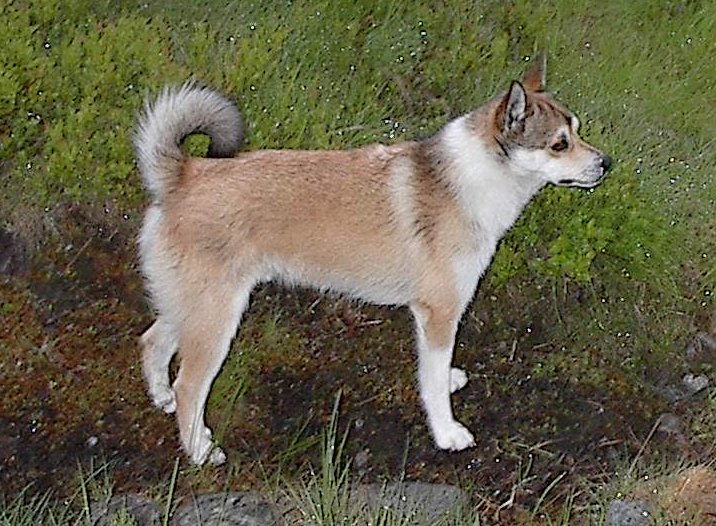
The Norwegian Lundehund is one of the world's rarest and most anatomically unique dog breeds. Developed on remote Norwegian islands to hunt puffins from sea cliff nests, the Lundehund evolved six toes on each foot, extremely flexible joints, and a dense double coat designed to protect them while climbing and squeezing into narrow cliff crevices.
That coat -- dense, weather-resistant, and surprisingly thick for a small dog -- needs professional attention that many owners of small breeds might not expect.
The Lundehund Coat: Small Dog, Serious Coat
Do not let the 12-18 pound frame fool you. The Norwegian Lundehund carries a coat density that rivals much larger Nordic breeds:
Outer coat: Harsh, dense, and close-lying. Short on the head and front of legs, slightly longer on the neck (forming a subtle ruff), back of thighs, and tail. The texture is firm and somewhat rough to the touch.
Undercoat: Dense and soft. Proportionally as thick as many larger spitz breeds. This undercoat provided essential insulation while hunting in Norway's cold, wet, windswept cliff environments.
Shedding: HEAVY for their size. The Lundehund blows coat seasonally with surprising intensity. The combination of dense undercoat in a small package means the shed-to-size ratio is among the highest of any breed.
Color: Reddish-brown to fallow, usually with white markings. Black hair tips are common, particularly on the back. The variety of shading is normal and changes slightly with coat cycles.
Why Professional Grooming Matters for Lundehunds
The Seasonal Blow Is Intense
Lundehund owners are consistently surprised by how much their small dog sheds during seasonal coat blows. The dense undercoat releases in quantities that seem impossible from a 15-pound dog. Without professional de-shedding:
- Dead undercoat packs against the skin
- The coat loses its insulating function
- Skin irritation develops from trapped dead hair
- Matting can occur, particularly around the neck ruff and thighs
Skin Health Is Critical for This Breed
The Norwegian Lundehund is known for a serious digestive condition called Lundehund Syndrome (intestinal lymphangiectasia). While this is primarily a gastrointestinal issue, it can manifest in coat and skin changes. Regular professional grooming provides:
- Consistent skin monitoring by trained eyes
- Early detection of coat quality changes that may signal health issues
- Documentation of coat condition over time
- Professional assessment of any unusual skin or coat changes
The Six-Toe Complication
The Lundehund's unique six toes per foot create extra spaces where debris, moisture, and hair accumulate. Standard four-toed foot care does not adequately address the extra toe pads. Professional groomers working with Lundehunds learn to:
- Clean between all six toes (not just four)
- Trim hair between all pads (more surface area)
- Check extra toenails that may grow at unusual angles
- Ensure no moisture is trapped between the additional digits
Proper Coat Handling for Sensitive Dogs
Lundehunds can be reserved and sensitive dogs. Many are not naturally comfortable with handling by strangers. Professional groomers who work with the breed learn:
- Gentle, patient approach (force causes shutdown)
- Shorter sessions initially to build trust
- Understanding of the breed's flexibility (they can bend in ways that startle unfamiliar groomers)
- Appropriate restraint that does not stress a breed prone to anxiety
What Professional Lundehund Grooming Includes
Session length: 45-60 minutes. Small dog, but dense coat and extra toes add time.
Grooming Schedule
- Every 6-8 weeks: Full professional grooming
- During coat blow (2-4 weeks, spring and fall): Additional de-shedding session
- Weekly at home: Brush through coat with slicker brush, check between all toes
- Daily during blow: Quick brush to remove loose undercoat
Finding a Lundehund-Appropriate Groomer
With fewer than 1,500 Lundehunds in the world and perhaps 350-400 in the United States, your groomer will almost certainly never have worked with one. Key briefing points:
- Dense double coat like a small spitz/Nordic breed
- SIX toes per foot -- all need attention
- Extremely flexible body (do not be alarmed by the range of motion)
- May be reserved/sensitive -- gentle approach essential
- Never shave the double coat
- Significant undercoat despite small size
Protect Your Rare Treasure
With fewer than 1,500 in existence globally, every Norwegian Lundehund is precious. Professional grooming keeps their dense, functional coat healthy, provides regular health monitoring for a breed with known conditions, and addresses the unique needs created by their extraordinary anatomy. Your Lundehund deserves someone who appreciates how special they are.
---
Ready to streamline your grooming workflow? PawOps Board Manager helps salons track every Norwegian Lundehund from check-in to pickup with real-time visibility. Start your free 30-day trial →
Related Reading: