Understanding Your Nova Scotia Duck Tolling Retriever's Coat: What Every Owner Should Know
Understanding Your Nova Scotia Duck Tolling Retriever's Coat: What Every Owner Should Know
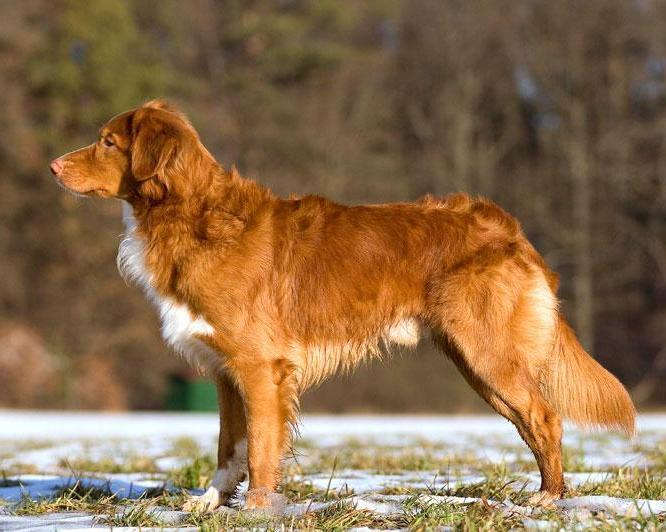
The Nova Scotia Duck Tolling Retriever's coat is a perfect blend of beauty and function. That gorgeous fox-red color over a water-repellent double coat creates a dog that's as stunning in the show ring as they are capable in the field. Understanding the nova scotia duck tolling retriever coat helps you maintain both qualities — keeping your Toller looking beautiful while preserving the coat's working integrity.
Double Coat Architecture
The Toller has a classic double coat with two distinct layers:
Outer coat: Medium length, straight to slightly wavy, with a soft texture that has enough body to repel water. The hairs are fine enough to be silky but dense enough to provide coverage and protection. The breed standard calls for a coat that lies "close to the body" with a natural, unforced appearance.
Undercoat: Soft, dense, and insulating. The undercoat is the workhorse of the coat system — it provides warmth during cold-water retrieves and contributes to the coat's water-repellent properties. Density varies seasonally, with a noticeably thicker winter coat and a lighter summer version.
The combination of medium-length outer coat and dense undercoat creates a coat that's surprisingly effective for cold-water work, considering the Toller's compact size. The breed was developed in Nova Scotia — where winter water temperatures regularly drop below 40°F — and the coat reflects those demands.
The Fox-Red Color
The Toller's color is one of its most beloved features. The breed comes in various shades of red:
- Deep red/copper: The richest shade, often compared to an Irish Setter's color but with a more orange undertone
- Red-gold: A warm, bright red-orange — the most common shade
- Golden red: Lighter, with more gold than red
- Buff: The lightest acceptable shade, sometimes approaching a light golden
- Tip of the tail (often required or highly preferred)
- Feet (partial white)
- Chest blaze or spot
- Optional: white blaze on forehead
Color changes to be aware of:
- Sun bleaching: Extended sun exposure lightens the red, sometimes significantly. Field-active Tollers may develop a noticeably lighter coat during summer months. The color returns as new, unbleached coat grows in.
- Puppy to adult transition: Many Toller puppies are born darker and may lighten slightly as the adult coat comes in. Others stay true to their puppy shade.
- Seasonal variation: The winter coat often appears slightly richer in color because the denser undercoat adds depth.
Water Repellency
The Toller coat has effective water repellency — not quite at the Chesapeake Bay Retriever level, but significantly better than an average dog coat:
- Natural oils from the skin coat the hair shafts, creating a hydrophobic layer
- The dense undercoat acts as a secondary barrier
- The medium-length outer coat channels water away from the body
Preserving water repellency requires:
- Not over-bathing (once a month maximum, less if possible)
- Using gentle shampoos that don't strip natural oils
- Avoiding heavy conditioners on the body coat
- Allowing the coat's natural oils to maintain themselves between baths
Shedding: The Complete Picture
Tollers are heavy shedders relative to their size. The shedding follows a clear pattern:
Spring coat blow (March-May): The heavy event. The entire winter undercoat releases over 2-4 weeks. Hair volume is genuinely impressive for a 40-pound dog. During peak blow, you can pull clumps of undercoat out by hand.
Fall transition (September-November): Moderate shedding as the summer coat gives way to the denser winter undercoat.
Year-round baseline: Light to moderate shedding. Daily hair on furniture and clothing, but manageable with regular brushing.
Breed-specific data from the NSDTR Club of Canada indicates that coat blow timing varies by geography — Tollers in warmer climates may shed more evenly throughout the year, while those in cold climates concentrate shedding into more defined seasonal events.
The shed hair is medium-length and tends to clump in the undercoat tufts. These tufts are easy to see on dark furniture and clothing. On the plus side, they're also easy to pick up — unlike the tiny, embedded hairs from short-coated breeds.
Feathering Details
Toller featherings are moderate — less dramatic than a setter's but enough to require regular attention:
Locations:
- Behind the ears: Where they transition from short head hair to longer ear hair
- Throat: A soft ruff of slightly longer hair
- Backs of the front legs: Moderate feathering
- Thighs/pants: The most substantial feathering on most Tollers
- Underside of the tail: A flowing flag that's one of the breed's signature visual elements
Trimming: Minimal. Edges can be tidied for a clean look, but the featherings should appear natural. Over-trimming a Toller's featherings removes one of the breed's visual hallmarks.
Home Care Guide
2-3 times weekly (15 minutes):
- Pin brush the body coat in the direction of hair growth
- Undercoat rake through the chest, flanks, and hindquarters
- Wide-tooth comb through all featherings
- Quick check of the five matting zones
- Clean ears (especially important for water-active Tollers)
- Check nail length
- Run a slicker brush through the undercoat on the chest and behind the ears
- Undercoat rake the entire body
- Use a slicker brush to capture loose hair
- Consider a de-shedding tool (once weekly maximum)
- Gentle shampoo, no heavy conditioners
- Thorough rinsing — residue dulls the red color
- Complete drying, especially the undercoat
- Light leave-in spray on featherings to prevent tangling during drying
- Shake and towel dry
- Blow-dry the undercoat if possible
- Clean and dry ears immediately
- Comb through featherings before they dry matted
Coat Health Indicators
Healthy Toller coat:
- Vibrant, rich red color
- Natural sheen on the outer coat
- Dense but not packed undercoat
- Featherings flowing freely
- Skin underneath clean and pink
- Dull, faded color outside normal sun bleaching — check nutrition
- Excessive shedding outside seasonal patterns — consider thyroid, stress, or allergies
- Coat standing up instead of lying flat — undercoat buildup or skin irritation
- Persistent dandruff — dry skin, check bathing products and humidity
- Patchy hair loss — veterinary attention needed
Nutrition and Color
The Toller's red coat responds visibly to nutrition:
- Omega-3 fatty acids (fish oil) enhance sheen and coat density — visible results in 6-8 weeks
- Quality protein supports healthy hair growth
- Some breeders report that diets high in certain minerals enhance red pigment intensity, though scientific evidence is limited
- Avoid foods with excessive artificial coloring — they don't affect coat color despite marketing claims
---
Ready to streamline your grooming workflow? PawOps Board Manager helps salons track every Nova Scotia Duck Tolling Retriever from check-in to pickup with real-time visibility. Start your free 30-day trial →
Related Reading: