Understanding Your Otterhound's Coat: What Every Owner Should Know
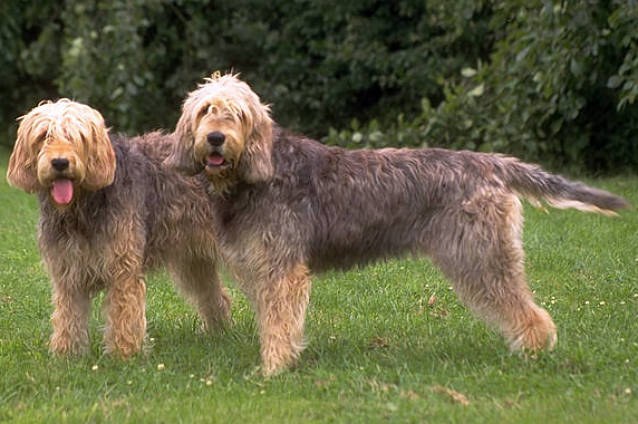
The Otterhound's coat is unlike any other breed's -- a waterproof, oily, shaggy masterpiece engineered for one purpose: keeping a large hound warm and buoyant during hours of swimming in cold English rivers. Understanding this coat helps you maintain a dog that's already rare and getting rarer. Fewer than 1,000 Otterhounds exist worldwide, making every well-maintained coat a contribution to the breed's preservation.
Coat Structure: Waterproof Engineering
The Otterhound's coat is a two-layer waterproofing system:
Outer coat: 3-6 inches of harsh, rough, slightly oily hair. The texture should feel crisp and hard -- never soft or fluffy. This layer provides the first defense against water, with each hair coated in natural sebum that repels moisture.
Undercoat: Dense, woolly, water-resistant. Shorter than the outer coat but significantly denser. This is the true waterproofing layer -- even if water penetrates the outer coat, the oily, compressed undercoat prevents it from reaching skin.
Natural oils: Otterhounds produce more sebaceous oil than most breeds. This isn't a flaw -- it's the waterproofing mechanism. The oils coat every hair shaft, creating a hydrophobic barrier throughout the coat structure.
Overall texture: The breed standard describes the correct coat as feeling "hard, crisp, and slightly oily." When you run your hand through an Otterhound coat, you should feel resistance, slight greasiness, and substantial density.
A 2021 study on canine coat hydrophobicity at the Royal Veterinary College measured water penetration rates across 25 breed types. Otterhound coats ranked third for water resistance (behind only Portuguese Water Dogs and Irish Water Spaniels), with water penetration to skin taking an average of 47 minutes of full submersion.
The Oily Coat: Friend and Foe
The natural oiliness of the Otterhound coat creates a paradox:
Benefits:
- Excellent waterproofing
- Natural coat conditioning (prevents dryness and brittleness)
- Self-cleaning properties (oil prevents dirt from bonding to hair)
- Weather resistance (wind and rain slide off)
- Distinctive "hound smell" (stronger than most breeds)
- Attracts environmental debris that sticks to oily surfaces
- Makes matting harder to resolve (oily mats are stickier)
- Over-bathing strips oil and disrupts the coat's function
- Under-bathing allows oil buildup that becomes rancid
Color Varieties
Otterhounds come in all recognized hound colors:
- Grizzle (most common): Mix of gray, tan, and black hairs creating a salt-and-pepper effect
- Sandy/wheaten: Warm, light color
- Blue and cream: Steel blue body with cream markings
- Black and tan: Classic hound pattern
- Liver and tan: Brown-based pattern
- Tricolor: Three distinct colors
- Lighter colors show oil buildup more visibly
- Dark colors hide dirt but show dandruff
- The grizzle pattern masks uneven coat condition (can hide problems)
- All colors maintain their richness better with proper stripping of dead coat
How the Coat Functions in Water
Understanding the swimming function explains maintenance needs:
Pre-water: The oily outer coat sits slightly away from the body, trapping air in the space between layers. This air provides both insulation and buoyancy.
In water: The outer coat gets wet but the oils prevent full saturation. The undercoat stays largely dry for the first 30-45 minutes of swimming. The trapped air between layers provides buoyancy, helping the heavy dog float.
Post-water: The harsh outer coat sheds water quickly when the dog shakes. The undercoat may retain some moisture but dries faster than absorbent coats because the oil prevents deep penetration.
The maintenance implication: If you strip away the natural oils through over-bathing, the coat loses its water-shedding ability. A properly maintained Otterhound dries in 2-3 hours naturally; an over-washed one may take 6-8 hours.
Seasonal Coat Changes
Spring (primary coat change): Dense winter undercoat loosens and sheds. This is the heaviest shedding period -- significant volumes of soft undercoat come out over 3-4 weeks. Increase brushing to daily during this transition.
Summer: Coat at its lightest. Less undercoat present, outer coat may appear slightly longer proportionally. The dog is cooler but has less insulation for swimming in cold water.
Fall: Undercoat grows back. Oil production may increase as the coat prepares for winter. This is when the coat feels thickest and oiliest.
Winter: Maximum coat density. Both layers at full capacity. Oil production at its highest. The coat is at peak waterproofing function -- but also at peak matting risk.
Home Maintenance Protocol
Between professional visits, maintain the Otterhound coat with:
3-4 times weekly (20-30 minutes):
- Line-brush the entire body with a pin brush or slicker
- Rake the undercoat along back, sides, and rear
- Comb through all long areas (ears, legs, tail)
- Check mat-prone zones: behind ears, armpits, groin, belly
- Remove any debris caught in the coat
- Check ears for odor or moisture
- Wipe beard after meals and water
- Quick visual/tactile coat check (run hands over body feeling for developing mats)
- Thorough ear cleaning with appropriate solution
- Paw inspection (between webbed toes)
- Pluck obviously loose dead coat by hand
Bathing an Otterhound: The Delicate Balance
Frequency: Every 6-8 weeks. Resist the urge to bathe more often despite the hound smell.
Products: Use a gentle, degreasing shampoo that removes dirt and rancid oil WITHOUT stripping all natural oils. Complete stripping damages the coat's function.
Technique:
The drying rule: An incompletely dried Otterhound coat develops mildew, hot spots, and intensified odor within 24-48 hours. If you bathe at home, you MUST dry completely. This takes 45-75 minutes with a quality forced-air dryer.
Common Otterhound Coat Issues
"The Smell": Normal Otterhound scent (oily, slightly houndy) is expected. Intensified or changed smell indicates: overdue for bath, ear infection, or skin infection beneath mats.
Oil over-production: Some Otterhounds produce excessive oil, especially in warm weather. More frequent (but still gentle) bathing may be needed. Consult your vet if the dog seems greasy despite regular washing.
Matting beneath the surface: The sneaky kind -- looks fine on top but matted at skin level. Only detectable by combing from skin outward. Regular line-brushing prevents this.
Hot spots: Develop under mats or in areas that don't dry completely. Red, moist, painful patches that need veterinary attention.
Coat texture loss: Usually from over-bathing or wrong products. The coat becomes soft rather than crisp. Takes 2-3 growth cycles to restore proper texture.
The Otterhound Coat and Breed Preservation
With fewer than 1,000 Otterhounds in existence, every well-maintained dog matters. The coat is part of what makes this breed unique -- it's not just aesthetics, it's breed identity.
Maintaining correct coat texture and function:
- Preserves the breed's defining physical characteristic
- Keeps breeding stock in proper coat condition for assessment
- Demonstrates breed care standards to potential future owners
- Honors 800+ years of breed development
---
Ready to streamline your grooming workflow? PawOps Board Manager helps salons track every Otterhound from check-in to pickup with real-time visibility. Start your free 30-day trial →