Understanding Your Parson Russell Terrier's Coat: What Every Owner Should Know
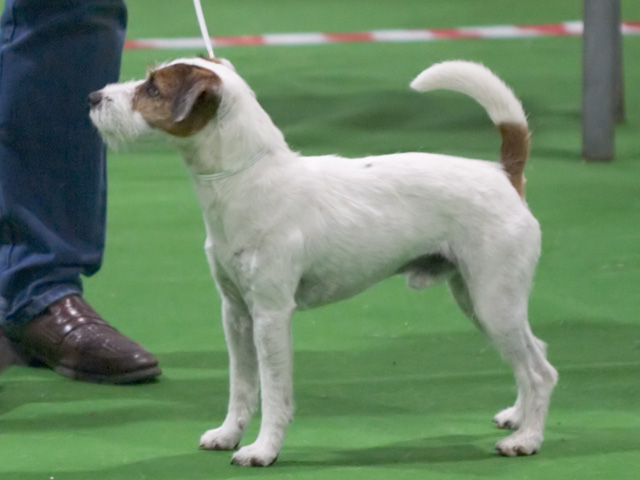
The Parson Russell Terrier's coat tells the story of what this breed was built to do. Every aspect -- the harsh texture, the double-layer structure, the weather resistance -- exists because these dogs were designed to work underground and through dense brush in pursuit of foxes. Understanding your Parson's coat means understanding their heritage.
Coat Structure: Engineering, Not Decoration
The Parson Russell carries a double coat consisting of:
The outer coat (guard hairs): Harsh, dense, and wiry. These hairs lie close to the body but stand slightly off it, creating a protective shell. They repel water, resist thorns and brambles, and protect against UV radiation. When you run your hand over a properly maintained Parson coat, it should feel slightly rough and springy -- never soft or fluffy.
The undercoat: Soft, dense, and shorter than the guard hairs. This layer provides thermal insulation -- warmth in winter, cooling in summer through air circulation between the layers. The undercoat sheds seasonally and needs removal to prevent matting.
Together, these layers create what terrier enthusiasts call a "jacket" -- a functional garment that protects the dog in all conditions.
Smooth vs. Broken: The Parson Distinction
While Jack Russells come in three coat types, the Parson Russell breed standard recognizes two:
Smooth: Flat-lying, dense coat without longer furnishings. Less common in the breed but perfectly acceptable.
Broken: The more typical Parson coat. A mix of longer wiry hairs and shorter smooth sections. Facial furnishings (eyebrows, beard) are present but less exaggerated than in Wire Fox Terriers. The body coat has variation in length and texture.
A 2022 breed survey by the Parson Russell Terrier Association found that approximately 72% of registered Parsons have broken coats, with 28% carrying smooth coats. Both types have identical undercoat density.
The Color Pattern
Parsons are predominantly white (at least 51% body coverage per standard) with markings in tan, black, or a combination. The white base wasn't arbitrary -- hunters needed to distinguish their dogs from the foxes they were pursuing.
Coat color interacts with grooming in important ways:
- White areas sunburn more easily (especially on thin-coated areas like ears and nose)
- Tan markings can fade with improper grooming (clipping vs. stripping)
- Black markings may appear to "rust" if the coat isn't maintained properly
How the Coat Grows
Understanding your Parson's coat growth cycle helps you time grooming effectively:
Anagen (growth phase): Active hair growth. Lasts 4-6 months for guard hairs.
Catagen (transition): Growth slows, hair detaches from the follicle base but remains in place.
Telogen (resting/shedding): Hair sits in the follicle, ready to be pushed out by new growth -- or removed by hand-stripping.
Hand-stripping works because it removes telogen-phase hairs cleanly from the follicle. The follicle then immediately enters anagen, producing new, correctly textured growth. Clipping cuts the hair at the surface but leaves the dead root, which affects the texture of subsequent growth.
Why Texture Matters Beyond Aesthetics
The harsh texture of a properly maintained Parson coat isn't just for show -- it serves your dog daily:
Dirt shedding: Harsh-textured coats don't hold dirt and mud the way soft coats do. A Parson who rolls in the yard often dries and shakes clean naturally.
Water resistance: The wiry outer hairs repel water effectively. A Parson with correct coat texture dries faster after rain or swimming.
Parasite resistance: Tightly fitting harsh coat makes it harder for ticks and fleas to reach the skin compared to soft, open coats.
Reduced allergen trapping: Wiry coats trap fewer environmental allergens close to the skin than soft coats.
Seasonal Coat Changes
Your Parson's coat isn't static -- it responds to light cycles and temperature:
Late winter/early spring: The undercoat begins to loosen as days lengthen. You'll notice increased shedding starting around February-March.
Spring (primary coat blow): Heavy undercoat shedding over 2-4 weeks. Guard hairs also reach telogen. This is the ideal time for a full hand-strip.
Summer: Coat is at its thinnest and lightest. The remaining undercoat provides UV protection and air circulation.
Fall: New undercoat growth begins. The coat thickens gradually through October-November.
Winter: Full coat density reached. Both layers work together for maximum insulation.
Maintenance Between Professional Sessions
Keep your Parson's coat healthy between grooming appointments:
Weekly routine (15-20 minutes):
Monthly additions:
- Check and trim paw pad hair if it's accumulating debris
- Inspect anal glands area
- Assess overall coat condition (texture, density, any thin spots)
Common Coat Mistakes Parson Owners Make
Over-bathing: Bathing more than every 4-6 weeks strips natural oils. The coat becomes dry and loses its weather resistance. Spot-clean dirty areas rather than full bathing.
Using conditioner on the body coat: Conditioners soften the texture. Use them only on facial furnishings and leg hair if needed -- never on the body jacket.
Brushing a dry coat: Always mist lightly with water or a coat spray before brushing. Brushing a completely dry wiry coat causes breakage.
Ignoring the undercoat: Brushing only the surface looks tidy but doesn't address undercoat buildup. Use a rake or undercoat tool to reach the dense layer beneath.
Shaving in summer: Removing the coat doesn't cool your dog -- it removes their natural cooling system and sun protection.
When to See a Professional
Beyond regular grooming appointments, bring your Parson to a professional groomer if you notice:
- Sudden excessive shedding outside seasonal norms
- Coat texture becoming noticeably soft or cottony
- Persistent matting despite regular brushing
- Skin visible through the coat (unusual thinning)
- Strong odor that doesn't resolve with bathing
- Any lumps, bumps, or skin changes
Building Your Parson's Coat Care Kit
Essential tools for home maintenance:
- Slicker brush (medium firmness)
- Greyhound comb (medium/fine teeth)
- Stripping knife (for light maintenance between sessions)
- Undercoat rake
- Coat spray or detangling mist
- Styptic powder (for nail accidents)
---
Ready to streamline your grooming workflow? PawOps Board Manager helps salons track every Parson Russell Terrier from check-in to pickup with real-time visibility. Start your free 30-day trial →