Why Your Parson Russell Terrier Needs Professional Grooming
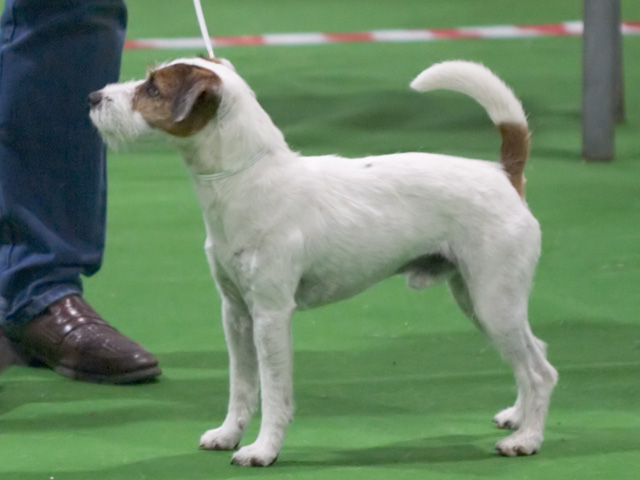
The Parson Russell Terrier is often confused with its cousin the Jack Russell, but there are key differences -- including slightly different grooming demands that matter more than most owners realize. These athletic, driven dogs were bred to hunt foxes, and their coats reflect that heritage. Professional grooming isn't luxury for a Parson Russell. It's maintenance for a working coat.
Built for the Field, Maintained in the Salon
Parsons carry a double coat designed to protect them while running through undergrowth, squeezing into fox dens, and working in all weather. The outer coat is dense, harsh, and weather-resistant. The undercoat provides insulation.
This coat system works beautifully -- when properly maintained. Without professional care, dead hair accumulates, the undercoat mats, and the coat loses its protective function. According to breed registries, an unmaintained Parson coat can lose up to 50% of its weather-shedding capability within 6 months.
Hand-Stripping: Non-Negotiable for Parsons
The Parson Russell Terrier breed standard calls for a harsh, broken coat. Maintaining this texture requires hand-stripping -- the technique of pulling dead hair from the follicle to allow new, correctly textured growth.
This isn't something you learn from a YouTube video. Professional terrier groomers spend years developing the touch and technique needed for proper stripping. They understand:
- Which direction to pull for each body area
- How much coat to remove in a single session
- When the coat is "blown" and ready for stripping
- How to maintain coat layers at different stages
The Skin Beneath the Coat
Parsons are genetically predisposed to certain skin conditions, including atopic dermatitis and lens luxation-associated skin changes. Professional groomers perform a full-body skin assessment during every session.
They're checking for:
- Hot spots hidden under the coat
- Early signs of dermatitis
- Lumps or growths that need veterinary attention
- Parasite evidence (fleas, ticks)
- Dry skin or excessive oil production
Why DIY Grooming Falls Short
Parson owners who try to maintain their dog's coat at home typically encounter several problems:
Improper stripping technique: Pulling at the wrong angle or tension breaks hair rather than removing it from the follicle. Broken hairs grow back softer and lose their wire texture.
Inconsistent timing: Coat stages need to be managed on a schedule. Most owners can't identify when sections are ready for stripping versus needing more growth time.
Missing the details: Ears, paw pads, sanitary areas, and the chest all need specific attention that's easy to overlook without professional training.
Tool selection: The wrong stripping knife or technique for your dog's specific coat density and texture can damage the coat permanently.
The Activity Factor
Parsons are among the most active terrier breeds. They run, dig, swim, and barrel through anything in their path. This level of activity means:
- Nails wear unevenly and need careful assessment
- Ears accumulate more debris from outdoor activities
- Coat picks up burrs, seeds, and environmental irritants
- Paw pads take more punishment and need regular inspection
- Skin is exposed to more allergens and irritants
Dental and Ear Health Connection
During professional grooming, your Parson gets full ear cleaning and inspection. Terrier breeds with folded ears (like the Parson's V-shaped drop ears) trap moisture and debris, creating environments for bacterial and yeast infections.
Professional cleaning removes buildup safely without pushing debris deeper into the ear canal -- a common mistake with at-home cleaning attempts.
What Professional Grooming Prevents
Regular professional grooming prevents:
- Coat damage: From improper clipping or neglected stripping
- Skin infections: Caught early through regular inspection
- Ear infections: Through proper cleaning technique
- Nail problems: Including split nails, ingrown nails, and paw pad injuries
- Matting: Especially in the undercoat, which can cause skin irritation and restrict movement
- Temperature regulation issues: A poorly maintained double coat can't thermoregulate properly
Finding the Right Groomer
Not every groomer is qualified to work on Parson Russell Terriers. Look for:
- Experience with terrier breeds specifically
- Hand-stripping skills (ask to see before/after photos)
- Understanding of breed-specific coat stages
- Willingness to discuss their approach and timeline
- Clean, well-organized facility
The Right Schedule
For most Parson Russell Terriers, professional grooming every 8-10 weeks maintains optimal coat health. During peak shedding seasons (spring and fall), you might add a deshedding visit between full grooming sessions.
Between visits, brush 2-3 times weekly with a slicker brush on the longer areas and a bristle brush on smooth sections. This maintains the coat and makes professional sessions faster and more effective.
Your Parson was bred to work hard and play harder. Professional grooming keeps their coat functioning the way it was designed to -- protecting that tireless little body through whatever adventure comes next.
---
Ready to streamline your grooming workflow? PawOps Board Manager helps salons track every Parson Russell Terrier from check-in to pickup with real-time visibility. Start your free 30-day trial →