Understanding Your Pembroke Welsh Corgi's Coat: What Every Owner Should Know
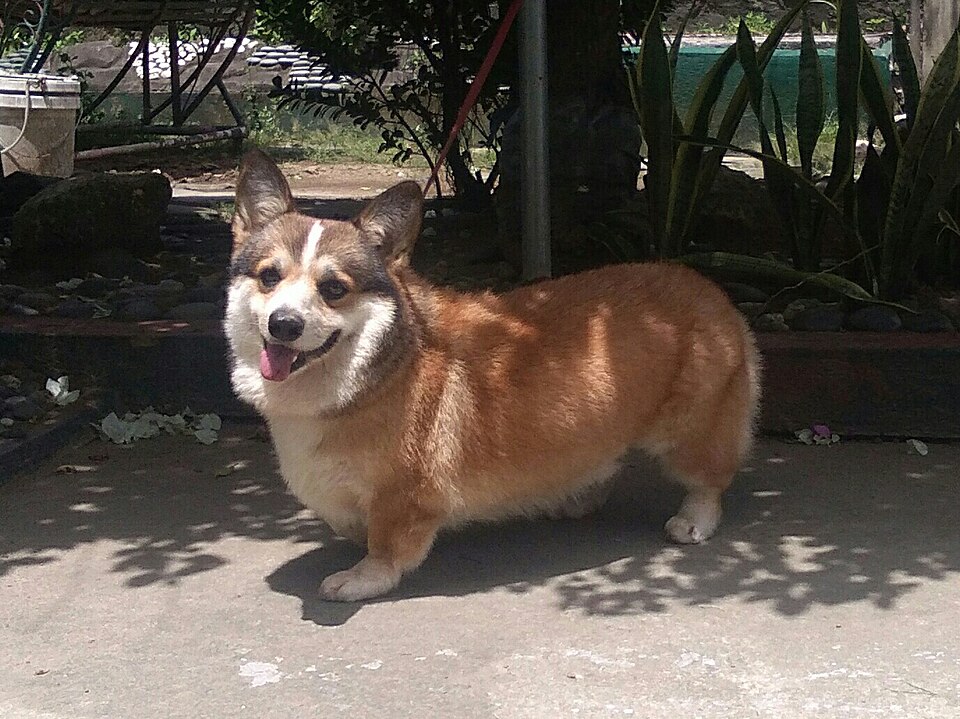
Understanding Your Pembroke Welsh Corgi's Coat: What Every Owner Should Know
The Pembroke Welsh Corgi's coat is a piece of engineering. Not human engineering -- centuries of Welsh weather and cattle herding created a coat that insulates against rain, repels wind, and stays functional in conditions that would leave most small dogs shivering. The fact that it also happens to be incredibly cute is evolution's happy accident.
But that working coat comes with rules. Understanding those rules is the difference between a healthy, manageable Corgi and a shedding catastrophe that takes over your entire household.
The Two-Layer System
Every Pembroke Welsh Corgi coat operates on a dual-layer architecture:
The outer coat (guard hairs): These are the longer, coarser, slightly water-resistant hairs that you see and touch. They're straight, lie relatively flat, and provide the first line of defense against the elements. The outer coat also carries your Corgi's color and markings.
The undercoat: This is the dense, soft, fluffy layer beneath the guard hairs. It's the insulation system. The undercoat traps air close to the body, creating a thermal barrier that keeps the dog warm in cold weather and, counterintuitively, cooler in hot weather by blocking radiant heat from reaching the skin.
The two layers work as a team. Remove one (by shaving, for example), and the system breaks. This is why knowledgeable groomers never shave a Corgi -- the undercoat regulates temperature, and the guard hairs protect against UV radiation and physical damage. Shaving disrupts the growth cycle, and the coat often grows back with altered texture, sometimes permanently.
Here's a detail that most people get wrong: Corgis are NOT hypoallergenic. Not even slightly. The dense undercoat produces significant dander, and the continuous shedding distributes both dander and loose hair throughout your environment. Allergy sufferers considering a Corgi should spend extended time with one before committing.
The Shedding Cycle: Constant Plus Catastrophic
Corgi shedding operates on two levels simultaneously:
Baseline shedding (year-round): The undercoat turns over constantly. Every day, some undercoat hairs complete their growth cycle and detach. This produces a steady, manageable level of shedding that regular brushing controls.
Coat blow (twice yearly): In spring and fall, photoperiod changes (day length) trigger a hormonal cascade that causes the undercoat to release en masse. The entire undercoat essentially detaches over a 2-4 week period and pushes out through the guard hairs.
The volume during a coat blow is honestly hard to overstate. Groomers routinely fill multiple garbage bags with undercoat from a single Corgi blowout session. One popular grooming video showed a groomer filling an entire paper grocery bag with undercoat from a single Corgi -- and the dog looked exactly the same afterward because the guard hairs were still in place.
Surprising fact: indoor Corgis in climate-controlled homes often have less predictable coat blow timing than dogs with regular outdoor exposure. Without strong photoperiod cues, the coat may blow irregularly or shed more evenly throughout the year. This doesn't reduce total shedding -- it just spreads it out.
Pembroke Welsh Corgi Coat Colors and Markings
The Pembroke Welsh Corgi comes in several recognized color patterns, and understanding them helps you know what to expect as your dog matures:
Recognized colors:
- Red: The most common. Ranges from a light fawn to a deep red-orange.
- Sable: Red base with black-tipped guard hairs, giving a slightly darker appearance. Sable Corgis often lighten dramatically as they mature.
- Tricolor (black-headed): Black, tan, and white. Clear, distinct markings.
- Tricolor (red-headed): Red, tan, and white with black saddle markings.
- Fawn: A lighter, more golden version of red.
Color changes over time: Corgi coats change color more than most owners expect. Sable puppies often darken dramatically around 4-6 months, then lighten again as adults. Red Corgis may deepen or fade with age. The undercoat is almost always a lighter shade than the outer coat, which is why a Corgi in full coat blow can look uneven as the lighter undercoat becomes visible.
None of these color variations affect grooming needs. Every Corgi, regardless of color, has the same double coat structure requiring the same maintenance.
What Your Corgi's Coat Tells You About Their Health
The Pembroke Welsh Corgi coat is a surprisingly good health indicator:
Coat Changes Worth Noting
- Excessive shedding outside of coat blow season: Could indicate stress, thyroid imbalance, nutritional deficiency, or allergies. If your Corgi's shedding suddenly increases without a seasonal explanation, it's worth mentioning to your vet.
- Dull or dry coat: Often nutritional. Omega-3 and omega-6 fatty acid supplementation usually improves coat quality within 4-6 weeks. Can also indicate hypothyroidism, which Corgis are moderately predisposed to.
- Thinning coat on the flanks or rear: May signal hormonal issues, particularly in spayed or neutered Corgis. Can also be a sign of Cushing's disease, though this is less common.
- Hot spots (moist dermatitis): The dense undercoat traps moisture against the skin, creating conditions for bacterial infection. Hot spots appear as red, oozing, painful patches -- often hidden under the topcoat until they're quite developed.
- Persistent itching and coat chewing: Allergies are relatively common in Corgis, both environmental (grass, pollen, dust mites) and food-related.
The Groomer as Health Monitor
A professional groomer who sees your Corgi regularly is an invaluable early warning system. They notice gradual changes in coat density, texture, and skin condition that you might miss because you see your dog daily. More than one Corgi health issue has been caught by an observant groomer before the owner or vet noticed symptoms.
Common Coat Mistakes Corgi Owners Make
Mistake 1: Shaving the Coat in Summer
The most damaging mistake. Owners see their Corgi panting and assume the coat is making them hot. The opposite is true -- the double coat insulates against heat. Shaving removes that protection and exposes the skin to UV radiation. The undercoat often grows back faster than the guard hairs, producing a coat with reversed texture that doesn't protect properly.Mistake 2: Only Brushing the Surface
A slicker brush across the topcoat feels productive but doesn't reach the undercoat where the real shedding happens. Effective Corgi brushing requires an undercoat rake that penetrates through the guard hairs to the dense layer beneath. If your brush glides smoothly across the coat, you're not reaching deep enough.Mistake 3: Bathing Too Frequently
Over-bathing strips the natural oils that keep the outer coat water-resistant and the skin healthy. Unless your Corgi rolled in something genuinely foul, bathing every 4-8 weeks (or at professional grooming appointments) is sufficient. Between baths, brushing distributes natural oils and removes debris.Mistake 4: Ignoring the Belly and Chest
The low-riding Corgi body means the belly coat gets dirty, wet, and matted faster than the rest of the body. Owners who only brush the back and sides miss the areas that need the most attention.Mistake 5: Assuming Puppies Don't Need Grooming
Corgi puppies have a softer, less dense coat than adults. Some owners wait until the adult coat comes in (around 12 months) to start professional grooming. This is a mistake. Early grooming socialization makes the dog comfortable with the process for life. Getting a Corgi used to high-velocity dryers, nail grinders, and table handling as a puppy prevents a lifetime of difficult grooming appointments.Building a Coat Care Routine
The ideal Pembroke Welsh Corgi coat care routine:
Daily (during coat blow):
- 10-15 minutes with an undercoat rake
- Focus on areas where undercoat is densest: behind the ears, along the flanks, and around the rear
- Undercoat rake through the entire body
- Slicker brush to smooth the outer coat
- Quick check of paw pads, ears, and sanitary areas
- Full deshedding bath and blow-dry
- Ear cleaning
- Nail trim
- Sanitary trim
- Paw pad trim
- Full body and skin assessment
- Extended deshedding sessions
- Assessment of coat blow progress
- Skin check for hot spots (most common during coat transitions)
The Coat Through a Corgi's Life
- Birth to 4 months: Soft puppy fuzz. Minimal shedding. Enjoy it while it lasts.
- 4-12 months: Adult coat begins growing in. Shedding gradually increases. First coat blow may occur around 8-10 months.
- 1-7 years: Full adult coat. Established shedding pattern. Biannual coat blows at their most intense.
- 8+ years: Coat may thin slightly. Texture may soften. Some senior Corgis shed less intensely, though this varies widely.
---
Ready to streamline your grooming workflow? PawOps Board Manager helps salons track every Pembroke Welsh Corgi from check-in to pickup with real-time visibility. Start your free 30-day trial →