Understanding Your Peruvian Inca Orchid's Skin: What Every Owner Should Know
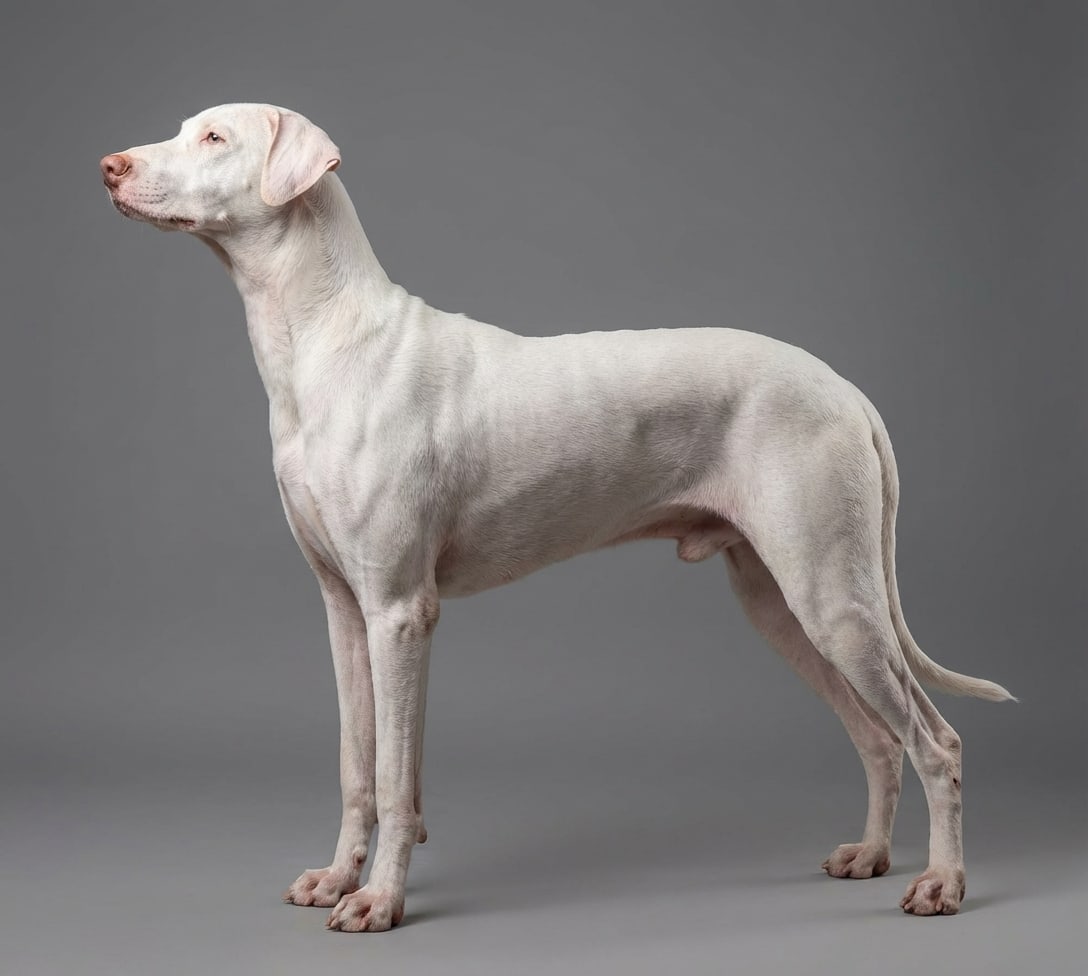
Understanding Your Peruvian Inca Orchid's Skin: What Every Owner Should Know
The Peruvian Inca Orchid is a living artifact -- one of only three to four naturally hairless dog breeds that have survived from ancient civilizations to the modern era. Archaeological evidence places hairless dogs in Peru as far back as 750 AD, and Incan pottery depicts dogs unmistakably resembling the modern PIO. Understanding their skin is understanding 1,200+ years of natural selection in Peru's coastal desert.
Skin as Identity: Why the PIO Is Different
Every hairless breed lost its coat through genetic mutation, but the PIO's specific adaptation happened in Peru's unique coastal environment -- the driest desert on Earth (the Atacama receives less than 1mm of rainfall annually in some areas), with persistent fog (garua) providing ambient moisture, and year-round moderate temperatures between 60-80 degrees Fahrenheit.
This environment shaped PIO skin to:
- Thrive in warm, stable temperatures
- Utilize ambient humidity rather than internal oil for moisture
- Be relatively thin (no need for thick barrier against cold or heavy rain)
- Maintain function with minimal extremes of oil production
Skin Structure: The Thin Barrier
PIO skin is characteristically thinner and more pliable than the Xoloitzcuintli's:
Epidermis:
- Thinner than in Xolos or Chinese Cresteds
- More permeable to environmental irritants
- Loses moisture faster in dry conditions
- More easily damaged by mechanical abrasion (rough collars, aggressive handling)
- Pigmentation highly variable between individuals
- Rich blood supply (contributes to the warm feel)
- Sebaceous glands present but generally less productive than Xolo skin
- Higher sensitivity to topical products -- reactions occur faster
- Elastic, pliable texture in healthy skin
Pigmentation: Understanding Your PIO's Colors
PIOs display the widest range of skin pigmentation among hairless breeds:
- Solid dark: Deep brown to black, even coloring across the body
- Spotted/particolored: Large areas of dark pigment alternating with pink/light skin
- Light with freckling: Predominantly pink skin with scattered dark spots
- Blue/slate: A blue-gray tone (rare but occurs)
- Bronze/copper: Warm medium tone
| Skin Color | Sun Sensitivity | Acne Tendency | Visibility of Issues | |------------|----------------|---------------|---------------------| | Dark solid | Low-moderate | Moderate | Harder to see redness/irritation | | Spotted | Mixed (by zone) | Moderate | Issues visible on light patches | | Mostly light | High | Lower (counterintuitively) | Very easy to spot problems |
The relationship between pigmentation and acne in PIOs is interesting. Darker-skinned PIOs tend to have slightly higher sebaceous output (the melanin-producing cells and oil-producing cells share developmental pathways). Lighter-skinned PIOs often have drier skin with less acne but more sun sensitivity.
The Moisture Question
PIO skin moisture management is more critical than in other hairless breeds because the thinner epidermis loses water faster. The technical term is trans-epidermal water loss (TEWL), and PIOs have higher rates than Xolos.
Practical implications:
- Dry climates: PIO skin can become noticeably dry within 24-48 hours without moisturizing. Cracking and flaking appear faster than in Xolos. The Atacama-adapted skin paradoxically struggles in modern dry indoor environments because it evolved with constant ambient fog moisture, not dry heated air.
- Humid climates: PIOs do well in humidity (closer to their native environment) but may develop fungal issues in warm, wet conditions.
- Temperature fluctuations: Moving between heated indoor air and cold outdoor air (common in winter) stresses the skin significantly. The rapid humidity changes cause the thin epidermis to contract and expand.
- Apply lightweight, unscented moisturizer after every bath while skin is damp
- Daily light application on elbows, knees, and any rough areas
- Use richer products (shea butter, ceramide creams) only on truly dry/cracking areas
- Avoid heavy products on face, neck, and back (these clog pores)
Acne: Less Severe But Still Present
PIOs tend to have less aggressive acne than Xolos, but it still occurs. The pattern:
- Most common locations: Along the spine, chin, and chest
- Severity: Typically blackheads and minor plugging rather than deep cystic acne
- Triggers: Over-moisturizing, heavy oils (especially coconut oil), synthetic fabrics against skin, environmental allergens
- Gentle cleansing every 5-7 days removes oil before it clogs
- Light, non-comedogenic products only
- Avoid coconut oil on acne-prone areas
- Cotton or bamboo fabrics for clothing (synthetic irritates)
- Regular professional exfoliation every 2-3 weeks
Temperature Regulation
The PIO's thin skin and lack of fur create distinct temperature vulnerabilities:
Cold exposure:
- PIOs feel cold sooner than Xolos (thinner skin provides even less insulation)
- Comfortable range: 65-85 degrees Fahrenheit
- Below 60 degrees: lightweight clothing needed
- Below 50 degrees: insulated coat essential
- Below 35 degrees: minimize outdoor time to bathroom only
- PIOs radiate heat efficiently (thin skin acts like a radiator)
- They handle warm weather well up to about 90 degrees
- Above 90 degrees with direct sun: shade and water essential, sun protection required
- Hot surfaces burn PIO skin on contact (same as all hairless breeds)
Allergies and Sensitivities
PIOs rank high among hairless breeds for allergic skin reactions. Common triggers:
- Contact allergens: Synthetic fabrics, certain cleaning products, grass, some plant oils
- Environmental: Pollen, dust mites (no coat barrier to keep these off skin)
- Food-related skin reactions: Some PIOs manifest food sensitivities as skin issues rather than GI symptoms
- Product sensitivities: Fragrance, certain preservatives in skincare products, strong surfactants
The Coated PIO
Coated PIOs exist (same genetics as with Xolos -- the hairless gene is dominant but produces coated offspring in some litters). Coated PIOs have:
- Short to medium-length coat, varying textures
- No specialized skin care needs
- Standard grooming requirements
- No sun sensitivity
- No dental correlation with hairlessness
Daily Care Routine
Morning (3-5 minutes):
- Visual skin check (any new redness, spots, or irritation?)
- Light moisturizer on dry areas
- Sunscreen if going outside
- Clothing appropriate to temperature
- Wipe down with damp cloth to remove day's accumulation
- Assess any areas of irritation from clothing, collars, or outdoor contact
- Moisturize if needed
- Full gentle bath with appropriate cleanser
- Light exfoliation during bath
- Post-bath moisturizing
- Nail check
- Ear check
When to See a Veterinary Dermatologist
Grooming-level skin care handles maintenance. Escalate to veterinary dermatology when:
- Acne becomes inflamed or pustular despite proper management
- Skin reactions occur frequently without identifiable trigger
- Hair loss occurs in areas that previously had tufts (may indicate systemic issue)
- New masses or growths appear (any new growth needs veterinary assessment)
- Chronic itching or discomfort persists