Why Your Peruvian Inca Orchid Needs Professional Grooming (Ancient Skin, Modern Care)
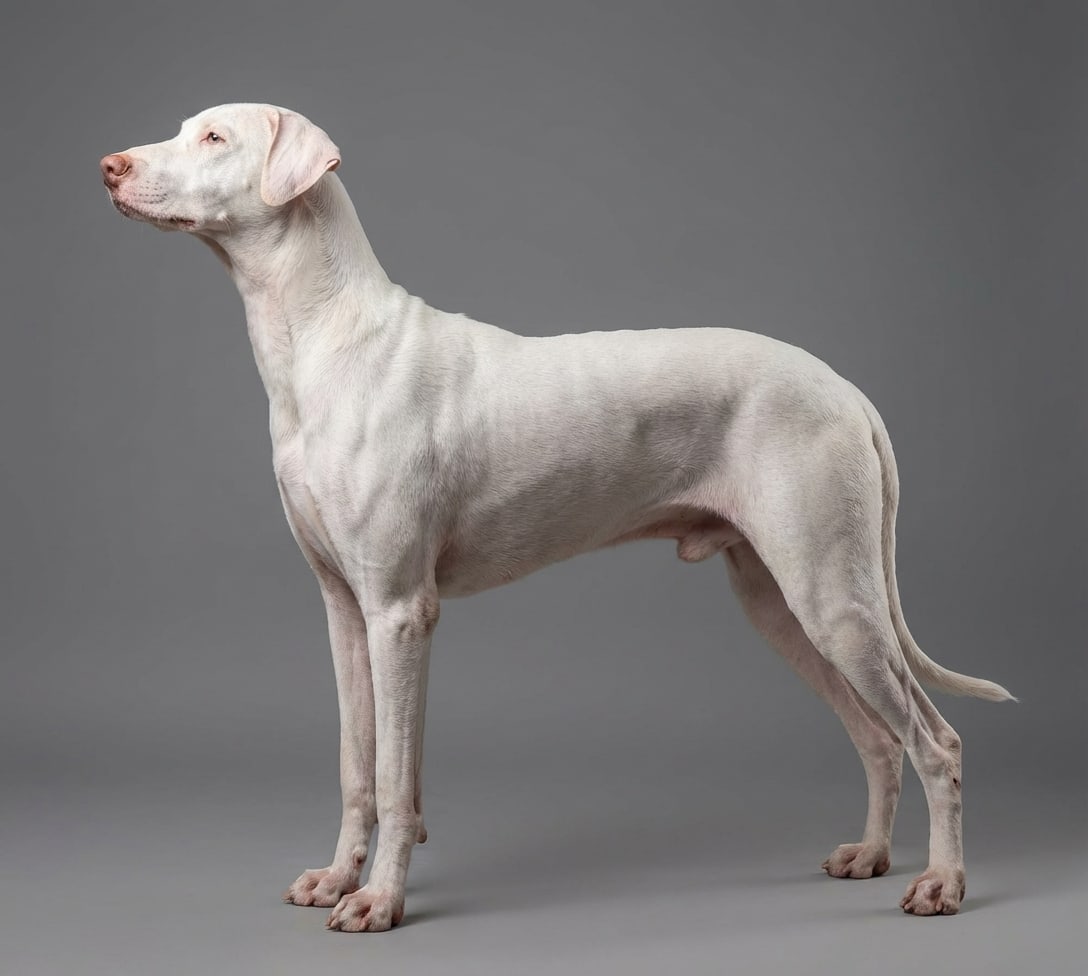
Why Your Peruvian Inca Orchid Needs Professional Grooming (Ancient Skin, Modern Care)
The Peruvian Inca Orchid -- known as the PIO or Perro Sin Pelo del Peru -- is one of only a handful of naturally hairless dog breeds in the world. Like its cousin the Xoloitzcuintli, this ancient Peruvian breed comes in both hairless and coated varieties, with the hairless form being the more recognized and the one requiring intensive professional skin care.
If you own a hairless PIO and think grooming is irrelevant, you are about to discover that skincare IS grooming for this breed -- and it is not optional.
The PIO Difference: More Sensitive Than Other Hairless Breeds
While all hairless breeds share certain challenges, Peruvian Inca Orchids have a reputation among breed specialists for particularly sensitive skin. Compared to the Xoloitzcuintli, PIOs tend to have:
- Thinner, more delicate skin overall
- Higher rates of skin sensitivity and allergic reactions
- More varied skin coloring (from solid dark to heavily spotted to mostly pink)
- Greater susceptibility to environmental irritants
Why Professional Skin Care Matters
Acne and Pore Management
Like all hairless breeds, PIOs develop blackheads and acne due to oil accumulation on unprotected skin. The PIO's slightly thinner skin means:
- Pores clog more easily
- Breakouts can become inflamed faster
- Aggressive home treatment damages the delicate skin more readily
- Professional judgment on product choice is more critical
- Extremely gentle exfoliants (chemical over physical for sensitive PIOs)
- Enzyme-based cleansers rather than mechanical scrubbing
- Targeted treatment of acne zones without over-treating clear areas
- Products tested for sensitivity (fragrance-free, minimal ingredients)
Sun Protection Assessment
PIOs come in dramatic skin color variety -- from solid dark (almost black) to extensively spotted (large pink areas with dark patches) to very light. This variation means sun sensitivity differs dramatically between individuals.
A groomer assessing a PIO considers:
- Which body areas are light-colored and most vulnerable to UV
- Whether any existing sun damage is present
- Seasonal needs (summer vs. winter exposure levels)
- Appropriate sun protection products that will not irritate this breed's sensitive skin
Moisture Balance
The PIO's thinner skin loses moisture faster than thicker-skinned hairless breeds. This creates a constant hydration management challenge:
- Dry climates cause rapid skin cracking and flaking
- Over-moisturizing clogs pores and triggers breakouts
- The right product for a PIO may differ from what works on a Xolo
- Seasonal transitions require product adjustments
What Professional PIO Grooming Includes
A full skincare grooming session:
- Warm water bath with ultra-gentle, hypoallergenic cleanser
- Mild chemical exfoliation (enzyme or low-concentration AHA suitable for canine skin)
- Blackhead assessment and gentle management -- less aggressive than on thicker-skinned breeds
- Zone-specific moisturizing -- rich products on dry areas, light/none on oily areas
- Sun protection application if outdoor time is planned
- Nail trimming -- very visible on hairless dogs, requires regular attention
- Ear cleaning -- PIOs typically have erect ears, less prone to infection but still need checking
- Dental assessment -- hairless gene linked to dental issues (same FOXI3 mechanism)
- Full skin scan -- checking for new spots, growths, color changes, or irritation
Frequency: More Often Than You Think
Peruvian Inca Orchids need professional skin care every 2-3 weeks:
| Skin Type | Frequency | Why | |-----------|-----------|-----| | Acne-prone (oily, frequent breakouts) | Every 2 weeks | Pore management needs frequent professional attention | | Standard (occasional blackheads, balanced) | Every 2-3 weeks | Maintenance before problems develop | | Dry-prone (minimal acne, needs moisture) | Every 3-4 weeks | Less pore management needed |
This frequency is higher than coated breeds but essential for a dog whose entire exterior is exposed skin requiring active management.
The Three Size Varieties
PIOs come in three sizes, and each has slightly different grooming implications:
| Size | Weight | Skin Area | Service Time | Notes | |------|--------|-----------|-------------|-------| | Small | 8-18 lbs | Minimal | 20-30 min | Easiest to manage, less product needed | | Medium | 18-26 lbs | Moderate | 25-35 min | Most common, standard protocol | | Large | 26-55 lbs | Significant | 30-45 min | Most product, longest service |
Home vs. Professional: What Requires Expertise
You can do at home:
- Daily visual skin checks
- Light moisturizing of dry areas
- Gentle wiping with damp cloth to remove surface buildup
- Sunscreen application before outdoor time
- Clothing management for temperature
- Proper exfoliation technique and product selection for sensitive PIO skin
- Blackhead extraction without causing scarring or irritation
- Assessment of skin changes (distinguishing normal pigmentation changes from potential problems)
- Product recommendations as skin condition evolves seasonally
- Identifying when a skin issue requires veterinary rather than cosmetic intervention
Finding a PIO-Knowledgeable Groomer
Peruvian Inca Orchids are extremely rare in most parts of the world. Finding a groomer with specific PIO experience is unlikely outside of Peru. However, any groomer experienced with:
- Xoloitzcuintli (most similar needs)
- Chinese Crested (smaller but same category)
- General hairless breed protocols
Temperature and Environment Considerations
The PIO was developed in Peru's coastal desert climate -- warm, arid, with consistent temperatures. This heritage means:
- They thrive in warm, dry climates with minimal adjustment
- Cold climates require significant wardrobe investment (coats, sweaters, pajamas)
- Humid climates may reduce skin dryness but increase bacterial/fungal risk
- Indoor climate control is essentially required in temperate zones
- Desert/arid climate PIOs need more moisturizing
- Humid climate PIOs need more frequent cleansing and less moisturizing
- Cold climate PIOs may develop dry, chapped skin in winter despite indoor heating