Why Your Petit Basset Griffon Vendeen Needs Professional Grooming
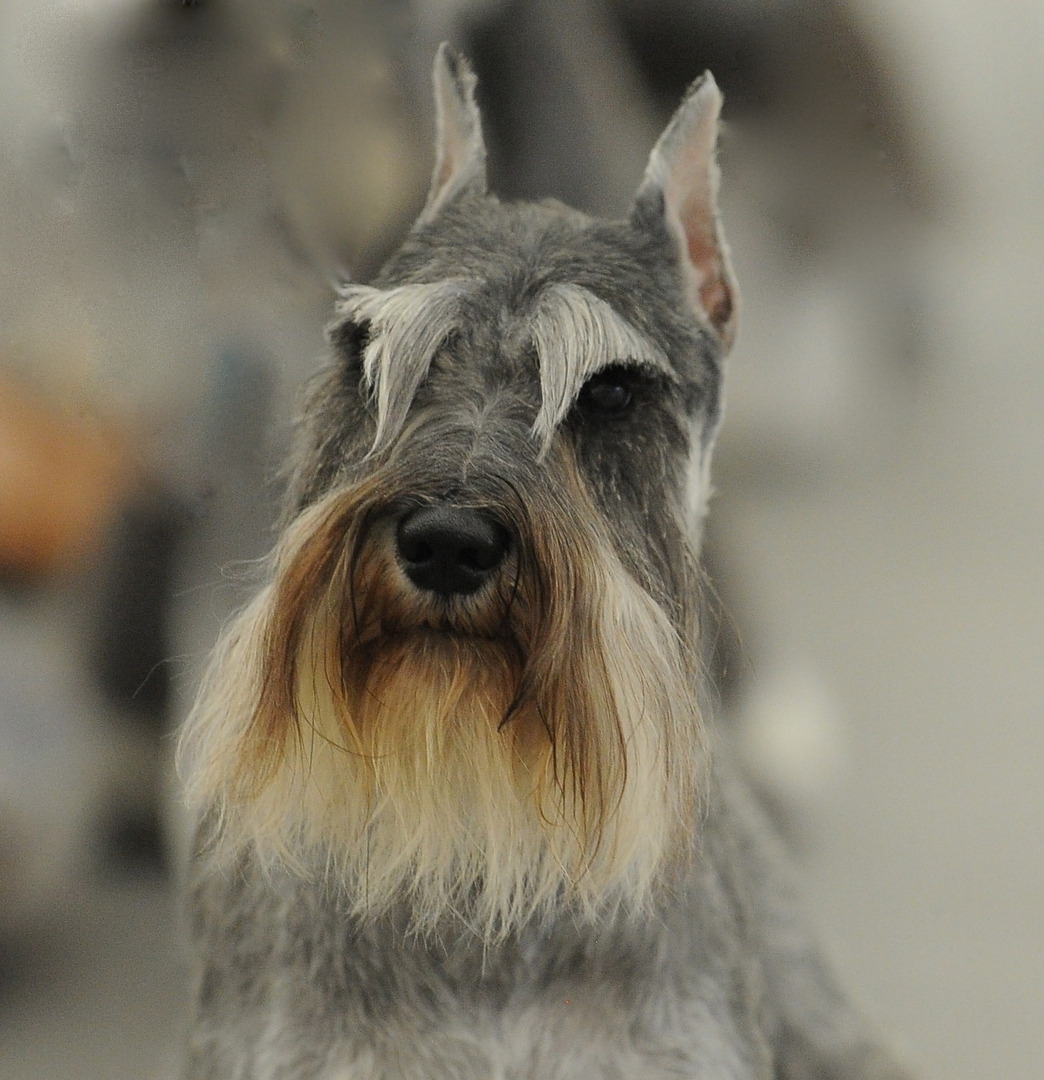
The Petit Basset Griffon Vendeen -- mercifully shortened to PBGV by everyone who's ever tried to say the full name twice -- is a joyful, scruffy French scenthound with a coat designed for one thing: crashing through thick undergrowth of the Vendee region without a care in the world.
That coat looks charmingly low-maintenance. It's not. Without professional grooming, a PBGV transforms from adorable tousled to uncomfortable matted in a matter of weeks.
The PBGV Coat: Designed for Bushwhacking
The breed's name tells you about the coat: "Griffon" means wire-haired in French hunting dog terminology. This is a rough-coated hound with:
- A harsh, long outer coat that stands away from the body
- A thick, shorter undercoat for insulation
- Long facial furnishings (eyebrows, beard, mustache)
- Substantial ear hair
- Feathering on legs and tail
Why Professional Grooming Is Non-Negotiable
PBGVs mat. It's their defining grooming challenge. The combination of long, rough outer coat and dense undercoat creates a perfect storm for tangling:
- Outer hairs catch on each other during movement
- Undercoat felts against the skin when not regularly separated
- Long ear hair drags through food, water, and ground-level debris
- Leg feathering accumulates mud, seeds, and tangles during walks
The timeline: A PBGV coat goes from groomed to matted in approximately 3-4 weeks without brushing. By 6-8 weeks without professional attention, mats can be tight enough to cause skin irritation.
Hand-Stripping: The PBGV Method
Like other rough-coated breeds, PBGVs benefit from hand-stripping to maintain coat texture. However, PBGV stripping is different from terrier stripping:
- Less precise -- the goal is a natural, tousled look, not a sculpted appearance
- The coat should look "rough and ready," not manicured
- Stripping maintains weather resistance and correct harsh texture
- Only obviously dead coat is removed -- the look should remain full and scruffy
The Ear Situation
PBGV ears are a grooming story unto themselves:
- Long, drooping, set below eye level
- Covered in long, wavy hair
- Create a warm, enclosed environment ideal for infections
- Drag through food bowls, water dishes, and ground debris
- Hair inside the ear canal needs management
- Removing excess hair from the ear canal opening (improving airflow)
- Thorough cleaning with appropriate solutions
- Drying the ear thoroughly after bathing
- Checking for signs of infection (odor, discharge, redness)
- Trimming long hair near ear openings to prevent moisture trapping
What Neglected PBGV Coats Look Like
Groomers see neglected PBGVs more often than breed enthusiasts would like. Common presentations:
- Entire undercoat felted against the skin ("pelted")
- Ear canal blocked by matted hair
- Eye infections from hair poking into eyes
- Skin infections beneath tight mats
- Movement restriction from matting between legs
- Urine/fecal matter trapped in rear matting
This is entirely preventable with regular professional grooming every 6-8 weeks.
The Professional PBGV Session
A full grooming session for a PBGV includes:
Total: 2-2.5 hours. PBGVs are time-intensive to groom properly.
Home Maintenance Between Visits
Professional grooming works best when supported by consistent home care:
3-4 times weekly (15-20 minutes each):
- Brush entire body with slicker brush, then comb through to skin
- Pay special attention to: behind ears, armpits, between hind legs, belly
- Comb through all furnishings (beard, eyebrows, legs)
- Check for debris in coat after outdoor play
- Wipe beard after meals
- Check ears for wetness or debris
- Quick visual assessment of eyes (hair not poking in?)
- Ear cleaning
- Paw pad hair check (trim if collecting debris)
- More thorough undercoat check
The Right Groomer for a PBGV
Not every groomer knows what a PBGV should look like. Common mistakes by unfamiliar groomers:
- Sculpting the coat into a tidy shape (should look natural and tousled)
- Over-trimming facial furnishings (PBGVs should have full eyebrows and beard)
- Stripping too aggressively (the look should remain full)
- Using softening products (destroys the correct harsh texture)
- Trying to make the coat lie flat (it shouldn't)
Your PBGV's scruffy charm is actually a carefully maintained state between wild and tidy. Professional grooming keeps them in that sweet spot -- comfortable, healthy, and looking like the joyful French hunting dog they were born to be.
---
Ready to streamline your grooming workflow? PawOps Board Manager helps salons track every Petit Basset Griffon Vendeen from check-in to pickup with real-time visibility. Start your free 30-day trial →