Understanding Your Pharaoh Hound's Coat: What Every Owner Should Know
Understanding Your Pharaoh Hound's Coat: What Every Owner Should Know
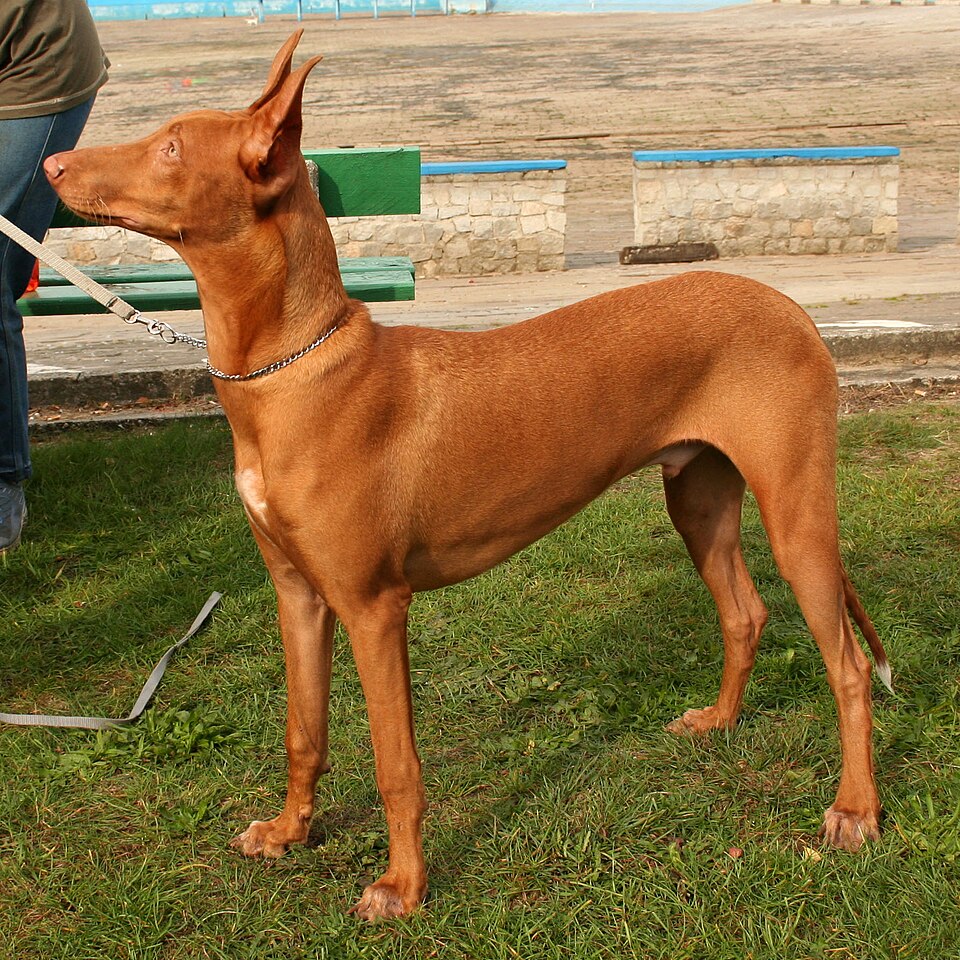
The Pharaoh Hound's coat is deceptively simple. Short, glossy, and close-fitting — it looks like the easiest coat in the dog world to manage. And while the pharaoh hound coat is genuinely low-maintenance compared to many breeds, it has characteristics that every owner should understand.
Because with this breed, the story isn't really about the coat. It's about what's underneath.
Coat Structure: Elegant Simplicity
The Pharaoh Hound has a single-layer coat with no undercoat. The hair is:
- Short: Typically 1/4 to 1/2 inch in length
- Fine: Individual hairs are thin in diameter
- Smooth: Lies flat against the body
- Glossy: Has a natural sheen when healthy
- Close-fitting: Follows the contours of the dog's muscular body
The AKC standard describes the coat simply as "short and glossy." Two words. That tells you something about how uncomplicated this coat is in structure. The complications, as we'll see, come from the skin.
Color: The Rich Tan Spectrum
Pharaoh Hounds come in one basic color: tan. But within that description lives a beautiful range:
- Rich tan (deep, warm brown-red): The most classic look
- Chestnut (darker, reddish-brown): Striking and dramatic
- Light golden tan: Lighter but still warm
- White tip on the tail (highly desirable in the breed standard)
- White star on the chest
- White on the toes
- Thin white blaze on the center line of the face
The Skin Story
Here's where the real knowledge lives. The Pharaoh Hound's skin is its most distinctive grooming-relevant feature:
Thin dermis: Like all sighthounds, the Pharaoh Hound has notably thin skin. This is a well-documented breed group characteristic. Research published in the Journal of Comparative Pathology confirmed that sighthound dermis averages significantly thinner than the general canine population.
High reactivity: The thin skin responds quickly to stimuli — both good and bad. This is why Pharaoh Hounds visibly blush when excited (the nose and ears flush pink), and also why they react strongly to allergens, irritants, and physical contact.
Low oil production: The skin produces less sebum than many breeds, which means:
- Less "doggy" odor (a perk)
- Less natural moisture protection (a challenge)
- Greater susceptibility to dryness and cracking
- Need for moisturizing grooming products
Shedding: Light but Present
Pharaoh Hounds shed lightly year-round. The short, fine hairs release gradually — you'll find them on furniture and clothing, but not in the dramatic quantities that double-coated breeds produce.
Some seasonal variation exists:
- Spring: Slightly increased shedding as any winter coat density adjusts
- Summer/Fall: Minimal, consistent light shedding
- Winter: The coat may feel very slightly denser, but the change is subtle
A 2024 pet owner survey by the American Kennel Club found that short-coated breed owners rate shedding management as "easy" 73% of the time, compared to 31% for long-coated breed owners. The Pharaoh Hound fits solidly in that easy-management category.
Sun Protection: A Real Concern
This isn't something most dog owners think about, but Pharaoh Hound owners need to:
The short coat provides minimal UV protection, and the lighter-skinned areas — belly, inner thighs, ears, and nose — are vulnerable to sunburn. This is particularly true for dogs that spend time outdoors during peak sun hours.
Sun protection strategies:
- Pet-safe sunscreen on exposed areas before outdoor time (avoid zinc oxide — toxic to dogs)
- Shade access during peak UV hours (10am-4pm)
- UV-protective dog clothing for extended outdoor activities (yes, it exists, and Pharaoh Hound owners actually use it)
- Indoor cooling during the hottest parts of the day
Cold Weather Considerations
The flip side of the sun issue: Pharaoh Hounds get cold easily. Without an undercoat and with minimal body fat, they're poorly equipped for cold weather.
Coat-related cold weather tips:
- Dog coat or jacket for walks below 45-50°F
- Booties for walks on snow, ice, or salted surfaces (the thin paw skin is sensitive)
- Warm sleeping area — Pharaoh Hounds seek heat. A heated dog bed or warm blankets aren't luxury items for this breed.
- Short outdoor exposure in extreme cold
Home Care Routine
The at-home routine for a Pharaoh Hound is refreshingly simple:
Weekly:
- Wipe the entire body with a damp cloth or grooming mitt to remove loose hair and surface dirt
- Check ears for debris (those big, open ears catch dust and pollen)
- Quick skin scan — look for any redness, bumps, or dry patches
- Trim nails or use a nail dremel
- Clean ears with a gentle, vet-approved solution
- Bath with a gentle, moisturizing shampoo
- Assess coat sheen and skin condition
- Apply a coat conditioning spray if the skin looks dry
- Adjust sun protection routine for summer
- Add coat/jacket to outdoor gear for winter
- Consider a humidifier indoors during dry winter months (benefits the skin)
Reading Your Pharaoh Hound's Coat
The short coat makes it easy to monitor your dog's health visually:
Healthy indicators:
- Glossy sheen across the body
- Smooth, flat-lying coat
- Pink, healthy skin visible when you part the hair
- Even color without patches or fading
- Dull, lackluster appearance
- Visible dry flakes or dandruff
- Red, irritated patches
- Raised bumps or hives
- Thinning or bald spots
- Loss of the natural blush response (can indicate circulation issues)
The Pharaoh Hound's coat is a masterclass in functional minimalism. It does exactly what it needs to do and nothing more. Your job as an owner is simple: keep the skin healthy, protect it from extremes, and let that gorgeous tan coat glow the way it was designed to.
---
Ready to streamline your grooming workflow? PawOps Board Manager helps salons track every Pharaoh Hound from check-in to pickup with real-time visibility. Start your free 30-day trial →
Related Reading: