Understanding Your Plott Hound's Coat: The Brindle Beauty Explained
Understanding Your Plott Hound's Coat: The Brindle Beauty Explained
The Plott Hound stands apart from every other coonhound in both ancestry and appearance. While the other five AKC-recognized coonhound varieties trace back to English Foxhounds, the Plott descends from German Hanoverian Schweisshunden -- cold-trailing dogs bred for tracking big game through European forests. That different heritage produced a coat that looks like a coonhound's but behaves subtly differently.
Here is what makes the Plott coat unique and what every owner needs to understand.
The Brindle: What It Is and Why Plotts Have It
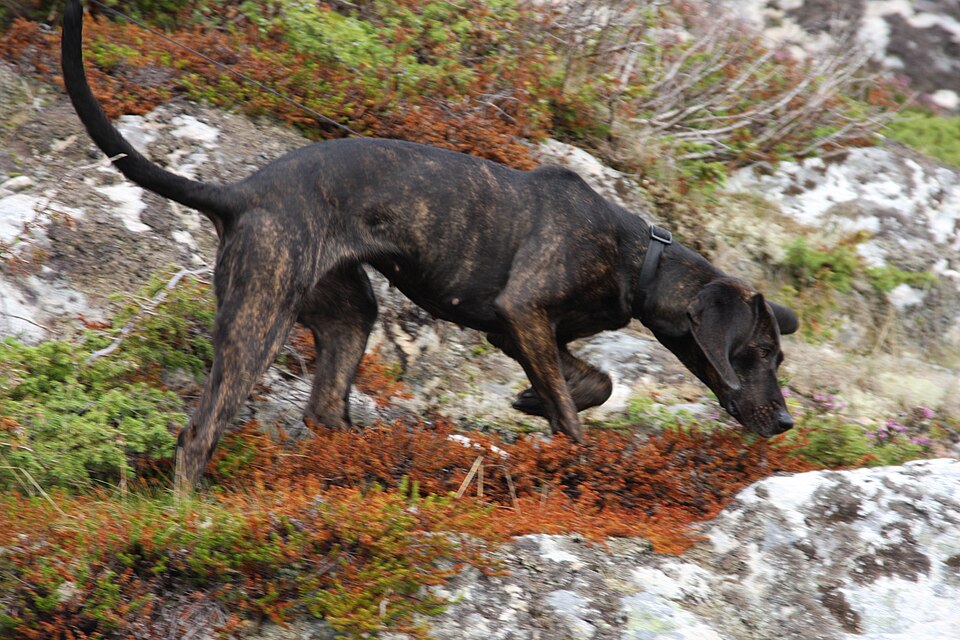
The Plott Hound is the only coonhound breed that comes in brindle. This pattern -- dark stripes overlaying a lighter base color -- came directly from the German hound ancestry. The Plott family who developed the breed in the Appalachian Mountains in the 1750s started with brindle dogs and the pattern has been the breed signature ever since.
Brindle in Plotts appears in many shades:
- Yellow brindle -- dark stripes on a gold/yellow base
- Chocolate brindle -- dark brown stripes on a lighter brown base
- Tan brindle -- dark stripes on a warm tan base
- Buckskin -- a lighter, less contrasted version
- Black brindle -- stripes so dense they appear nearly solid black
- Maltese (rare) -- a slate/blue variation
From a grooming perspective, brindle coats do not require different products or techniques than solid coats. The functional difference is purely visual -- the multi-toned pattern provides camouflage that can hide skin issues from casual observation.
Coat Structure: The German Difference
The Plott's coat is smooth, glossy, and fine-textured -- noticeably finer than the moderately coarse coats of English-derived coonhounds. The AKC standard describes it as smooth with "sufficient density to provide protection from wind, cold, and water."
Comparison to other coonhounds:
| Feature | Plott Hound | Bluetick/Redbone | Treeing Walker | |---------|------------|------------------|----------------| | Texture | Fine, glossy | Moderately coarse | Smooth, hard | | Density | Moderate | Dense | Moderate-dense | | Length | Short (1/2-3/4 inch) | Short-medium (3/4-1 inch) | Short (1/2-3/4 inch) | | Undercoat | Present but lighter | Dense | Moderate | | Oil level | Moderate | High | Moderate-high |
The finer texture means:
- Less overall shedding volume compared to denser-coated cousins
- Faster drying time after baths or water exposure
- Skin conditions become visible more quickly (for better and worse)
- Slightly less natural insulation in extreme cold
- Less intense odor development between baths
Oil Production: Moderate Hound, Not Extreme
Plott Hounds produce less sebum than Blueticks or Redbones -- a difference that Plott owners appreciate and that traces back to the German hound heritage. The Hanoverian breeds from which Plotts descend were not as extreme in oil production as the English scent hound lineages.
Practically, this means:
- Hound odor develops more gradually (5-6 weeks versus 3-4 for heavier-oiled breeds)
- The coat feels drier and sleeker to the touch between baths
- Furniture staining from body oil is less aggressive
- Bathing frequency can be lower while maintaining acceptability
Veterinary dermatology estimates suggest Plott oil production runs approximately 20-35% above non-scent breeds, compared to 35-50% for the English-derived coonhounds. Still elevated, just less dramatically so.
Shedding Profile
Plotts shed moderately year-round with seasonal increases. Their shedding is less dramatic than denser-coated hounds but still significant enough to notice:
| Season | Level | Notes | |--------|-------|-------| | Spring | Moderate-heavy | Undercoat thinning, most shedding occurs now | | Summer | Light-moderate | Minimal shedding period | | Fall | Moderate | Coat thickening for winter | | Winter | Light | Coat at peak density, minimal loss |
The finer hair texture means Plott shed hairs are slightly less aggressive about embedding in fabric compared to the stiffer hairs of a Treeing Walker. They are still noticeable on furniture and clothing, but slightly easier to remove with standard lint tools.
During peak shedding, a Plott produces roughly 60-70% of the hair volume a similarly-sized Bluetick produces. Not trivial, but measurably less.
Coat Health Indicators
The Plott's finer, shorter coat makes it an excellent health barometer. Changes show quickly:
Healthy Plott coat:
- High natural gloss (the breed standard emphasizes this)
- Smooth, flat-lying hairs with no raised patches
- Brindle stripes clearly defined with distinct edges
- Skin beneath is smooth, pale, without redness
- Light oil presence -- coat feels sleek but not greasy
- Loss of gloss -- often the first sign of internal illness, nutritional deficiency, or dehydration in Plotts. Because the breed standard specifically calls for a glossy coat, dullness is more conspicuous than in matte-coated breeds.
- Brindle fading or blurring -- can indicate nutritional issues affecting melanin production, thyroid problems, or skin infections compromising pigmentation
- Raised patches or bumps -- easier to see on the fine coat, often indicating allergic reactions or insect bites
- Dandruff -- the fine coat shows flaking immediately. Common causes: over-bathing, dry climate, or zinc deficiency
- Dull, rough texture -- significant deviation from normal should prompt veterinary evaluation
Allergies and Skin Sensitivity
Plott Hounds appear to have slightly higher rates of environmental allergies than some other coonhound varieties. This is anecdotal among breed enthusiasts and veterinarians rather than confirmed in large-scale studies, but the observation is consistent enough to mention.
Possible explanations:
- The finer coat provides less physical barrier between allergens and skin
- German hound lineage may carry different immune sensitivities than English hound lines
- Working Plotts in dense Appalachian brush encounter more allergenic plant material
- Grass pollen (contact allergies on belly and paws)
- Certain plant oils encountered during fieldwork
- Flea allergy dermatitis (the fine coat means flea bites directly contact more skin)
Climate Considerations
The Plott's lighter coat system compared to denser coonhounds affects climate tolerance:
Heat tolerance: Good. The less dense undercoat and lower oil level mean Plotts manage heat well for a hound breed. They were developed in the warm, humid Appalachian summers.
Cold tolerance: Moderate. Less undercoat density means less insulation than a Bluetick. Plotts working in winter need the activity of the hunt to generate body heat. Sedentary Plotts in cold climates need protection below 30 degrees Fahrenheit for extended outdoor time.
Humidity: The Plott handles humidity better than heavier-oiled hounds because less oil means less bacterial odor amplification in moist conditions. However, the humid Southeastern climate they were bred for still means regular bathing is necessary.
Nutrition for the Plott Coat
The emphasis on gloss in the breed standard means diet matters visibly:
- Omega-3 fatty acids -- the most important supplement for coat gloss. Fish oil or algae-based DHA/EPA
- Quality animal protein -- provides the amino acids for strong, glossy hair growth
- Zinc and copper -- support pigment (important for brindle definition) and skin health
- Moderate fat content -- enough to support coat health without excessive oil production
Home Care Between Grooms
Weekly:
- Brush with a soft-bristle brush or hound mitt (5 minutes)
- Check ears for wax, odor, or redness
- Visual and tactile tick check (run hands over entire body)
- Wipe down with grooming cloth to remove allergens
- Check paw pads for injuries
- Spot clean with waterless shampoo for localized dirt
- Ear wipe with approved cleaner if wax is building
PawOps helps groomers understand rare breed coat characteristics like the Plott Hound's unique brindle and finer texture, ensuring accurate condition assessment and appropriate service recommendations every visit.