Why Your Plott Hound Needs Professional Grooming (North Carolina's State Dog Deserves It)
Why Your Plott Hound Needs Professional Grooming (North Carolina's State Dog Deserves It)
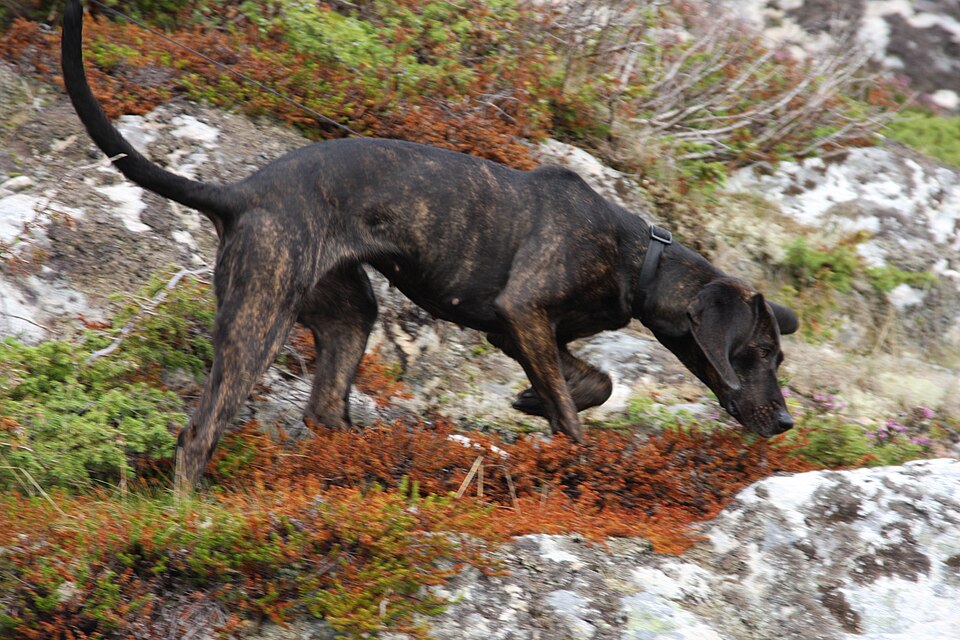
The Plott Hound is the only coonhound breed that does not trace its lineage to English Foxhounds. Descended from German Hanoverian hounds, this brindle beauty is North Carolina's state dog and one of the most capable big-game hunters in the hound group. That heritage gave the Plott a coat that is subtly different from other coonhounds -- and those differences matter for grooming.
If you own a Plott and think professional grooming is overkill for a short-coated hound, here is why you should reconsider.
The Plott Coat: Similar But Not Identical to Other Coonhounds
Plott Hounds have a smooth, fine, glossy coat that is typically shorter and finer-textured than most other coonhound varieties. The AKC standard describes it as having "sufficient density to provide protection from wind, cold, and water" -- meaning there is an undercoat, but it tends to be less dense than a Bluetick's or even a Redbone's.
This slightly finer texture creates some unique characteristics:
- The coat shows skin condition changes more quickly (good for early detection, bad if you neglect maintenance)
- Oil spreads more evenly and is less trapped than in denser coats, but still accumulates
- The brindle pattern can mask skin issues, irritation, and parasites
- The thinner coat means less insulation, making the dog more sensitive to temperature extremes
The Brindle Factor
Plott Hounds are predominantly brindle -- a streaked pattern of dark stripes over a lighter base that ranges from light golden to dark chocolate. This pattern is rare in the coonhound world (Plotts are the only brindle coonhound) and it affects grooming in one important way: visibility.
The alternating dark and light stripes in brindle coats create visual noise that can hide:
- Ticks (dark body ticks blend into dark stripes)
- Hot spots in early stages (redness is less obvious against multiple colors)
- Skin irritation or rashes
- Early-stage fungal infections
- Small wounds or abrasions from field work
Hound Skin, Plott Style
Like other coonhounds, Plotts have oily skin -- but with a nuance. The Plott's German heritage gave it a slightly different skin composition than the English-derived coonhounds. Experienced Plott owners and breed specialists note that Plotts tend to have:
- Slightly less overall oil production than Redbones or Blueticks
- A more acute response to environmental allergens (possibly due to the finer coat providing less barrier)
- Faster skin recovery from irritation when caught early
Professional grooming still matters because:
- When oil does accumulate, it needs enzymatic products to properly remove
- The finer coat means skin is more directly exposed to environmental irritants
- Regular professional skin assessment catches allergic reactions early
Ear Health: Still Non-Negotiable
Plott Hounds have medium-length ears that hang -- not quite as long as a Bluetick's but still sufficient to cover and enclose the ear canal. They share the coonhound predisposition to ear infections, though arguably at slightly lower rates than breeds with extremely long ears.
That said, ear infections remain one of the most common veterinary issues for the breed. Data from breed-specific health surveys shows ear infections appearing in Plott health records at rates 1.5-2x higher than erect-eared breeds of similar activity levels.
Professional ear cleaning every 4-6 weeks:
- Removes accumulated wax and debris
- Allows visual inspection of ear canal condition
- Identifies early infection signs (odor, color change, discharge)
- Properly dries the ear area after bathing to prevent moisture-related infections
What a Full Plott Hound Groom Includes
A complete professional grooming session:
- Bath with appropriate shampoo -- deodorizing for hound oil, possibly hypoallergenic if the dog has sensitivities
- High-velocity blow-out -- removes loose undercoat and dead skin cells
- Full-body hands-on inspection -- checking for lumps, ticks, wounds, and skin changes hidden by brindle pattern
- Thorough ear cleaning -- both ear canal area and inner ear flap
- Nail trimming or grinding -- Plotts are active but nails still need regular attention
- Anal gland check -- optional expression if needed
- Sanitary trim -- keeping the rear clean
- Paw pad inspection -- checking for cracks or injury, especially in working dogs
- Skin fold check -- Plotts have some loose skin around the neck and jaw
The Working Dog Factor
Plott Hounds are one of the few breeds still commonly used for their original purpose -- hunting bear and wild boar in the Appalachian mountains. Even pet Plotts retain tremendous drive and athleticism. This working heritage means:
- They encounter more environmental hazards than average pets
- They push through denser brush, getting more scrapes and embedded debris
- Post-hunt or post-hike grooming checks are important for catching injuries
- Their activity level means nails, paw pads, and skin take more wear
Recommended Grooming Schedule
| Lifestyle | Frequency | Priority Focus | |-----------|-----------|---------------| | Active hunting dog | Every 3-4 weeks + post-hunt checks | Full body inspection, wound check, parasite removal | | Active hiking/outdoor companion | Every 4-5 weeks | Skin health, de-shedding, ear care | | Moderate activity pet | Every 5-6 weeks | Odor management, ear care, general maintenance | | Lower activity or senior | Every 6-8 weeks | Skin inspection, nail care, ear cleaning |
Why Home-Only Is Not Enough
The Plott's finer coat makes home bathing somewhat easier than heavier-coated hounds -- the coat dries faster and sheds less dramatically. This can create false confidence that professional grooming is unnecessary.
What you miss at home:
- The trained hands that find problems hidden by brindle patterning
- High-velocity drying that removes dead undercoat efficiently
- Proper ear cleaning technique (too gentle is ineffective; too aggressive causes damage)
- Professional products designed for hound skin chemistry
- An objective observer who sees your dog less frequently and notices changes you have become blind to
PawOps helps grooming professionals accurately assess rare breeds like the Plott Hound, providing condition-based pricing that reflects the actual service needs rather than generic short-coat assumptions. Use our free pricing calculator →