Understanding Your Pomsky's Coat: What Every Owner Should Know
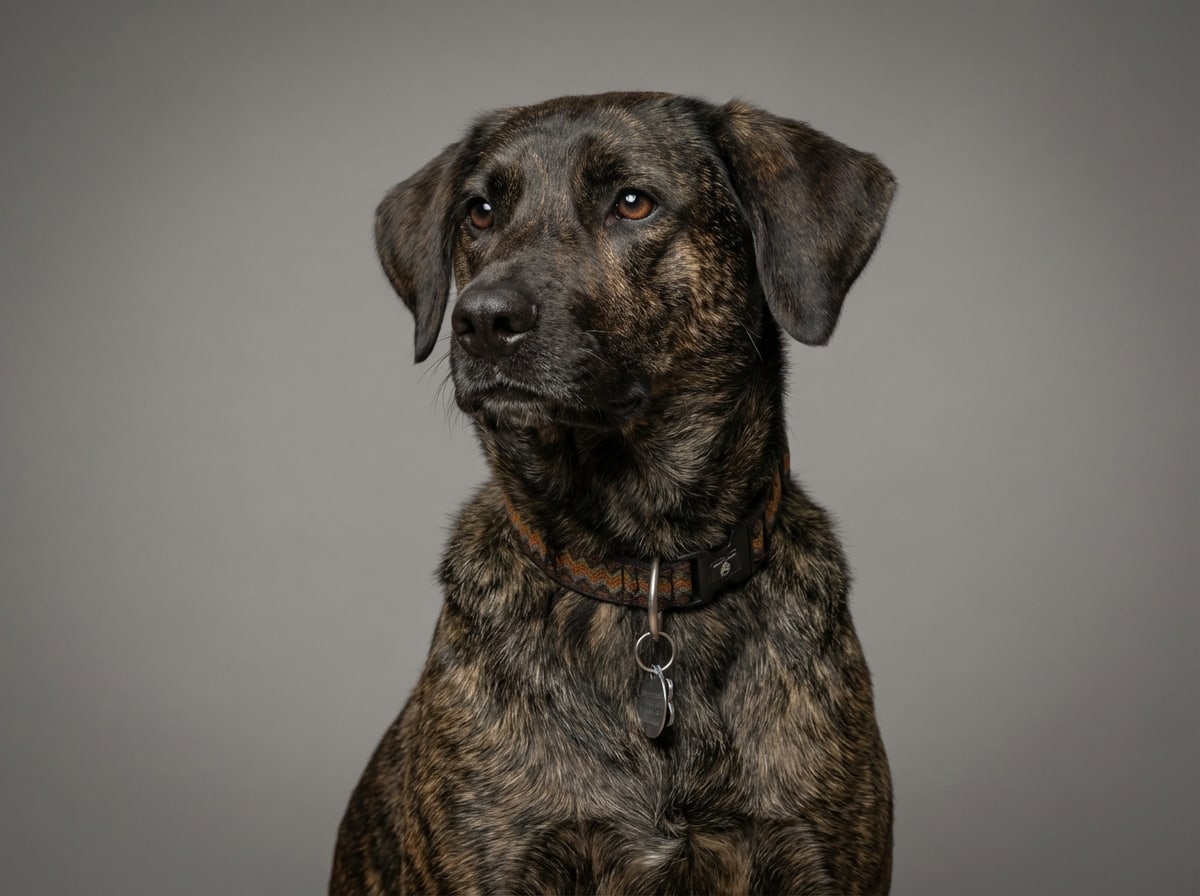
Understanding Your Pomsky's Coat: What Every Owner Should Know
The Pomsky coat is, pound for pound, one of the most impressive coats in the dog world. Take a Siberian Husky's arctic-grade double coat -- engineered for negative-40-degree survival -- and pack it onto a dog that weighs 20-35 pounds. Then add the Pomeranian's legendary fluffiness on top. The result is a compact dog carrying a coat that seems to defy the laws of physics.
Understanding that coat -- what it is, how it works, and what it needs -- is arguably the most important thing you'll learn as a Pomsky owner.
The Double Coat Explained
Every Pomsky has a double coat. This isn't a possibility or a "some have it, some don't" situation like with some designer breeds. Both parent breeds are double-coated, so the offspring is always double-coated.
But what exactly is a double coat?
The undercoat is the bottom layer. It's dense, soft, and woolly -- composed of short, fine hairs packed tightly together. Its purpose is insulation. In cold weather, it traps body heat against the skin. In warm weather, it creates an insulating air barrier that actually helps prevent overheating. Think of it like a down jacket built into the dog.
The topcoat (guard hairs) is the outer layer. These are longer, coarser, straighter hairs that stand out from the body. Their job is protection -- shielding the undercoat from water, dirt, UV radiation, and physical damage. Guard hairs have a slightly oily texture that helps repel water and keep the undercoat dry.
Together, these two layers create a remarkably effective environmental protection system. It's the same basic architecture that keeps Arctic wolves comfortable in blizzards and desert foxes cool in extreme heat. Your Pomsky's coat is a serious piece of evolutionary engineering.
Here's a surprising fact that highlights the coat's density: a single square inch of Pomsky undercoat contains approximately 800-1,600 individual hairs. For comparison, a single square inch of human scalp contains about 100-150 hairs. Your Pomsky is carrying roughly 10 times the hair density of your head, over their entire body.
Pomsky Coat Types and Variations
While every Pomsky has a double coat, the outer appearance varies based on which parent's genes are more dominant:
Husky-type coat:
- Medium-length topcoat that lies relatively flat against the body
- Very dense undercoat
- Sleek, wolf-like appearance
- Moderate shedding with dramatic seasonal blow coats
- Most common in first-generation (F1) Pomskies
- Longer, fluffier topcoat that stands away from the body
- Extremely dense undercoat
- Cotton ball appearance -- the "walking cloud" look
- Heavy shedding year-round with blow coats
- More common when Pomeranian genetics are stronger
- Medium-length topcoat with moderate standoff from the body
- Dense undercoat
- Fluffy but structured appearance
- The classic "Pomsky look" that most people picture
The Blow Coat: Your Biannual Reality Check
The blow coat is the single most dramatic coat event you'll experience as a Pomsky owner. It happens twice a year, and no amount of preparation fully prepares you for the first one.
What's happening biologically: Your Pomsky's body responds to changes in daylight length (not temperature -- this is important) by shedding the current undercoat to make way for a new seasonal undercoat. Spring blow coat sheds the thick winter undercoat. Fall blow coat sheds the lighter summer undercoat to make room for winter insulation.
What it looks like: Clumps. Clumps everywhere. The undercoat detaches from the skin in patches and works its way out through the topcoat. Your Pomsky will look moth-eaten, patchy, and slightly ridiculous for 2-4 weeks. Tufts of undercoat will protrude from random spots on their body. When you pet them, clouds of soft fur will release into the air.
What it means for grooming: During the blow coat, daily brushing with an undercoat rake is the minimum. Professional deshedding sessions every 2-3 weeks during this period are strongly recommended. The goal is to remove dead undercoat efficiently rather than letting it shed gradually across every surface you own.
Indoor Pomskies and artificial lighting: Here's something many owners don't expect. Pomskies living primarily indoors with artificial lighting may experience a modified blow coat cycle. Instead of two dramatic seasonal blows, they may shed more consistently year-round with less extreme peaks. The artificial light disrupts the natural photoperiod that triggers the blow coat. This doesn't mean less total shedding -- just a different distribution.
The Color Palette
Pomsky coat colors are where the Husky genetics really shine. The color possibilities are extensive:
- Black and white -- The classic Husky look, scaled down
- Gray and white -- Wolf-like coloring, very popular
- Red and white -- Copper to deep rust with white markings
- Brown and white -- Chocolate tones
- Pure white -- Relatively rare, stunning when it occurs
- Sable -- Hair shafts that change color from root to tip, creating a complex, multi-toned appearance
- Merle -- Marbled pattern; less common and sometimes controversial due to associated health concerns in merle-to-merle breeding
The mask pattern -- the distinctive facial markings that give Huskies their wolf-like appearance -- appears in many Pomskies. Some have full masks, some have partial masks, and some have open faces (no mask). The mask pattern is established early and remains relatively stable.
What You Must Never Do to a Pomsky Coat
This section is critical. Read it twice if you need to.
Never shave a Pomsky's coat.
The double coat is a functional system. Shaving it doesn't make the dog cooler in summer -- it actually removes the insulating barrier that regulates temperature in both directions. It also:
- Exposes skin to sunburn and UV damage (the skin beneath a Pomsky coat has minimal melanin protection)
- Removes the guard hairs' water-repelling function
- Risks permanent coat damage -- the undercoat often grows back faster and denser than the topcoat, creating a perpetually fuzzy, textureless coat that never returns to its original appearance
- Can trigger post-clipping alopecia in some dogs, where portions of the coat simply stop growing back normally
If a groomer or well-meaning friend suggests shaving your Pomsky for summer, politely decline. The coat knows what it's doing.
Reading Your Pomsky's Coat Health
A healthy Pomsky coat has specific characteristics:
- Topcoat is glossy with slight natural sheen (the oil that makes guard hairs water-repellent also creates shine)
- Undercoat is soft, dense, and evenly distributed
- Skin beneath is pink and clean with no redness, flaking, or odor
- Shedding follows predictable patterns -- steady baseline with seasonal peaks
- Excessive year-round shedding beyond normal baseline: Could indicate allergies, stress, hormonal imbalance, or nutritional deficiency. Huskies and Pomeranians both carry thyroid disorder susceptibility, and Pomskies can inherit this.
- Bald patches or uneven coat loss: Allergies, parasites (especially mange mites), fungal infection, or alopecia X (a condition Pomeranians are particularly prone to, causing hair loss without other skin symptoms).
- Dry, brittle topcoat: Nutritional deficiency (particularly omega fatty acids), dehydration, or environmental damage.
- Persistent dandruff: Dry skin, allergies, or parasites. Some flaking during blow coat is normal; persistent flaking is not.
- Hot spots or red, moist skin: Bacterial infection, often triggered by moisture trapped in the dense undercoat. More common in humid climates or after swimming/bathing without thorough drying.
Home Care for the Pomsky Coat
Brushing
Your weekly brushing schedule determines your quality of life with a Pomsky. This is not an exaggeration.
Non-blow-coat periods (about 40 weeks/year):
- Brush 3-4 times per week
- Use a slicker brush for the topcoat and an undercoat rake for the undercoat
- Sessions take 15-20 minutes
- Always brush in the direction of hair growth
- Pay special attention to the ruff (neck), pantaloons (rear legs), and tail
- Brush daily
- Use an undercoat rake as the primary tool
- Sessions may take 20-30 minutes
- You'll remove genuinely astonishing amounts of undercoat. This is normal and desirable.
Bathing
- Every 6-8 weeks during normal periods
- Additional baths during blow coat with deshedding shampoo and conditioner
- Always brush before bathing -- water tightens mats and tangles
- Always dry thoroughly -- trapped moisture in a Pomsky undercoat creates hot spots. Use a dryer, not air drying
- Use a gentle, pH-balanced dog shampoo. Avoid over-bathing, which strips natural oils and triggers compensatory oil production
Nutrition
What you feed your Pomsky shows in their coat:
- Omega-3 fatty acids (fish oil or salmon oil): The single most impactful supplement for double coat quality. Improves topcoat shine, undercoat density, and skin health.
- Adequate protein: Supports the massive hair production demand. A Pomsky's coat is primarily protein (keratin), and inadequate dietary protein shows as dull, thin coat.
- Hydration: Well-hydrated dogs have healthier coats. Ensure fresh water is always available, and consider wet food or water additions if your Pomsky is a poor drinker.
- Zinc: Important for skin and coat health. Huskies specifically are prone to zinc-responsive dermatosis (a condition where they need higher-than-average zinc intake for normal skin function). Pomskies may inherit this susceptibility.
---
Ready to streamline your grooming workflow? PawOps Board Manager helps salons track every Pomsky from check-in to pickup with real-time visibility. Start your free 30-day trial →