Understanding Your Portuguese Podengo's Coat: What Every Owner Should Know
Understanding Your Portuguese Podengo's Coat: What Every Owner Should Know
The Portuguese Podengo is one of the few breeds that comes in two completely different coat types -- and understanding which one your dog has changes everything about how you care for it. Smooth and wire Podengos share the same athletic build, hunting drive, and ancient Portuguese heritage. But their coats are as different as denim and silk, and they demand different approaches.
The Two Coats: Structure and Purpose
Smooth Coat
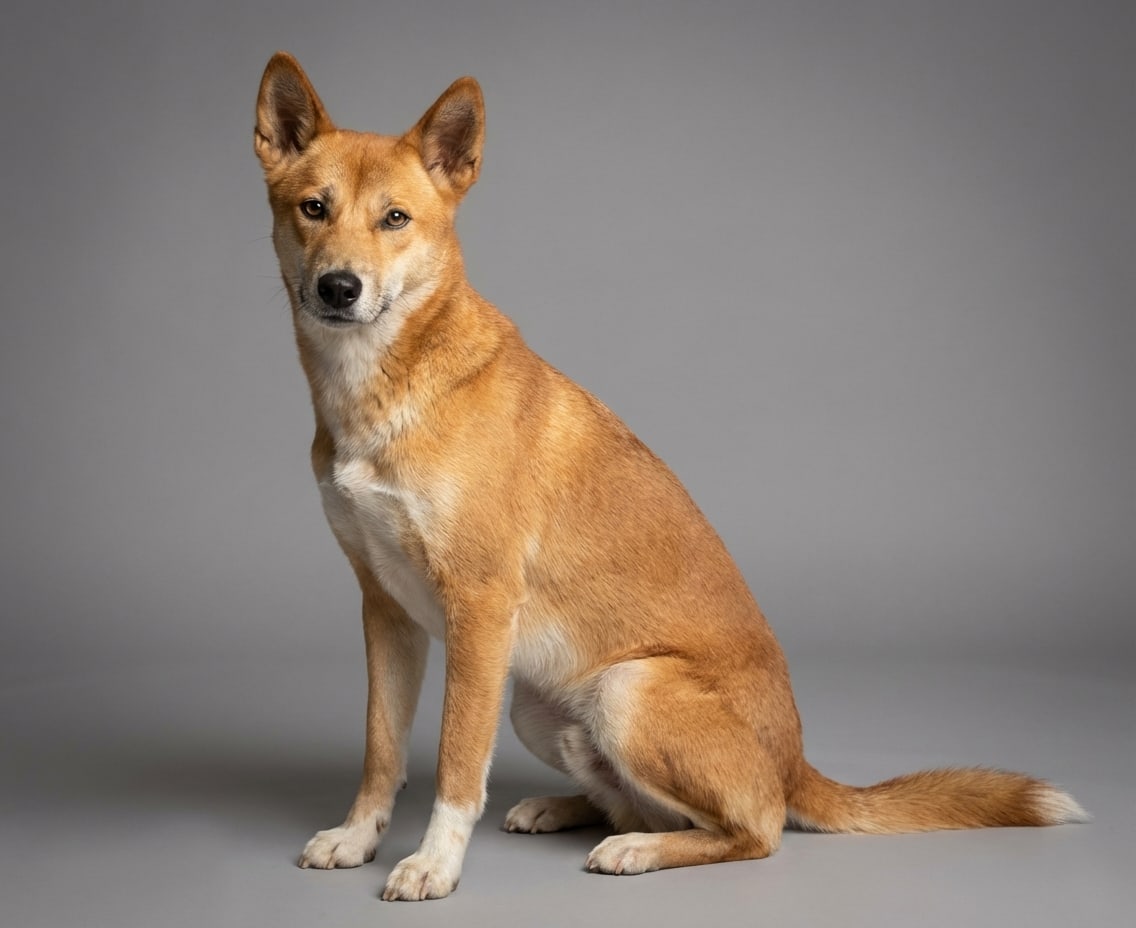
The smooth-coated Portuguese Podengo has a short, dense coat that lies flat against the body. It is single-layered with no true undercoat (or at most a very thin, sparse underlayer in colder climates).
Texture: Firm and smooth to the touch, slightly coarser than a Greyhound but finer than a Labrador. The hair has a natural slight sheen that indicates healthy oil production.
Length: Uniform across the body at approximately 1-2 centimeters. Slightly shorter on the face and ears, slightly longer on the tail.
Function: The smooth coat evolved for the warm, dry climate of central and southern Portugal. It provides basic protection against brush and sun while allowing maximum heat dissipation. Smooth Podengos dry almost instantly after getting wet, which was valuable for a hunting dog working in varied terrain.
Wire Coat
The wire-coated Portuguese Podengo has a rough, harsh outer coat that stands slightly away from the body. It includes distinctive facial furnishings -- a beard and eyebrows -- that give the wire Podengo its characteristically scruffy, alert expression.
Texture: Coarse and crisp to the touch, almost bristle-like when in proper condition. The hair should break off naturally at a certain length rather than growing continuously. A properly maintained wire coat feels like touching rough tweed.
Length: Medium length on the body (2-4 centimeters), longer on the face and ears. The beard can grow several centimeters if untrimmed.
Undercoat: Wire Podengos have a thin, soft undercoat that provides modest insulation. This undercoat is much less dense than what you would find on a double-coated breed like a German Shepherd.
Function: The wire coat evolved in the rougher terrain of northern Portugal and coastal areas where brush, thorns, and cooler temperatures demanded more protection. The harsh texture acts like armor against scrapes, and the beard protects the muzzle during rabbit hunting in dense cover.
How Each Coat Grows and Sheds
Smooth Coat Shedding
Smooth Portuguese Podengos shed moderately throughout the year. The shedding is consistent rather than dramatic -- you will find short hairs on furniture and clothing regularly but never in overwhelming quantities.
Seasonal variation exists but is subtle. Spring brings a slight increase as the coat adjusts density, and fall triggers a similar minor shift. On a 1-10 shedding scale, smooth Podengos rate about a 3-4 year-round.
Because the hairs are short, they embed in fabric and upholstery more stubbornly than longer hairs that sit on top. A lint roller becomes a daily companion.
Wire Coat Shedding
Wire-coated Podengos have a completely different shedding pattern. They are considered low-shedding because dead hair stays trapped in the coat rather than falling out. This is why many wire-coated breed owners say their dogs "do not shed" -- the hair does not end up on furniture because it stays in the coat.
However, this trapped dead coat creates its own problems. Without regular removal through hand-stripping or thorough brushing, it builds up and:
- Changes the coat texture from harsh to soft and woolly
- Traps moisture, dirt, and debris against the skin
- Reduces airflow to the skin surface
- Creates conditions for skin irritation and bacterial growth
Common Coat Problems by Type
Smooth Coat Issues
Dull, Dry Coat: Indicates nutritional deficiency (particularly omega-3 fatty acids) or over-bathing. The smooth coat needs its natural oils. Over-bathing strips them faster than the skin replenishes. Limit baths to every 8-10 weeks.
Contact Dermatitis: Without dense coat protection, smooth Podengos are susceptible to reactions from grass, floor cleaners, and lawn chemicals. Red, itchy patches on the belly or inner thighs are common indicators.
Sunburn: Light-colored smooth Podengos can burn on the ear tips, nose, and belly with extended sun exposure. Use dog-safe sunscreen on vulnerable areas.
Wire Coat Issues
Soft, Woolly Texture: Usually caused by clipping instead of hand-stripping. Once a wire coat is clipped, the undercoat grows back disproportionately, and the harsh guard hairs lose their texture. Restoration requires months of dedicated hand-stripping.
Matting Around Furnishings: The beard, eyebrows, and leg hair can mat if not combed regularly. These areas catch food, water, and outdoor debris daily.
Coat Blowing: Wire Podengos occasionally "blow" their undercoat during seasonal transitions, releasing more soft undercoat hair than usual. This is normal but requires extra brushing to prevent it from tangling with the outer coat.
Care Calendar
Smooth Coat Schedule
Daily: Quick visual check, especially belly and inner thighs for irritation Weekly: Wipe-down with grooming mitt or rubber brush to remove loose hair Every 8-10 Weeks: Professional bath, deshed, nail trim, ear cleaning Seasonally: Adjust for sun protection (summer) or skin moisturizing (winter)
Wire Coat Schedule
Daily: Comb through beard and eyebrows, check for debris 2-3 Times Weekly: Full body brushing with slicker brush, followed by comb-through Every 8-12 Weeks: Professional hand-stripping session Every 4-6 Weeks: Rolling strip maintenance (optional but recommended) Seasonally: Extra brushing during undercoat blow; check for burrs and foxtails after outdoor activity
Essential Tools by Coat Type
For Smooth Coats
- Rubber curry brush or grooming mitt (primary tool)
- Soft bristle brush (finishing)
- Chamois cloth (shine and quick clean)
- Gentle, moisturizing shampoo
For Wire Coats
- Slicker brush (regular brushing)
- Metal greyhound comb (detangling furnishings, checking thoroughness)
- Stripping knife or stone (for owners learning to maintain between professional strips)
- Pin brush (gentle work around face)
- Coat conditioner spray (light, for detangling -- never heavy products that soften texture)
What to Avoid
Both Coat Types:
- Human shampoo (wrong pH)
- Over-bathing (strips natural oils)
- Ignoring ear maintenance
- Skipping nail care because the coat is "easy"
- Machine clipping (permanently alters texture)
- Heavy conditioners or coat softeners (destroy the harsh texture that defines the wire coat)
- Furminator-type tools on body coat (these cut wire hairs rather than removing them properly)
- Ignoring facial furnishings (matted beards are painful and harbor bacteria)
Reading Your Podengo's Coat
A healthy smooth Podengo coat lies flat, has a subtle sheen, and feels firm and warm. A healthy wire Podengo coat stands slightly off the body, feels crisp like rough fabric, and has rich color saturation.
Dull color, softening texture, excessive oiliness, dry flaking, or patches of thinning hair all signal something needs attention -- whether nutritional, medical, or grooming-related. The coat is your Podengo's first language. Learn to listen to it, and you will catch problems early and keep your ancient Portuguese hunter looking and feeling exactly as nature intended.
---
Ready to streamline your grooming workflow? PawOps Board Manager helps salons track every Portuguese Podengo from check-in to pickup with real-time visibility. Start your free 30-day trial →
Related Reading: