Understanding Your Pudelpointer's Coat: What Every Owner Should Know
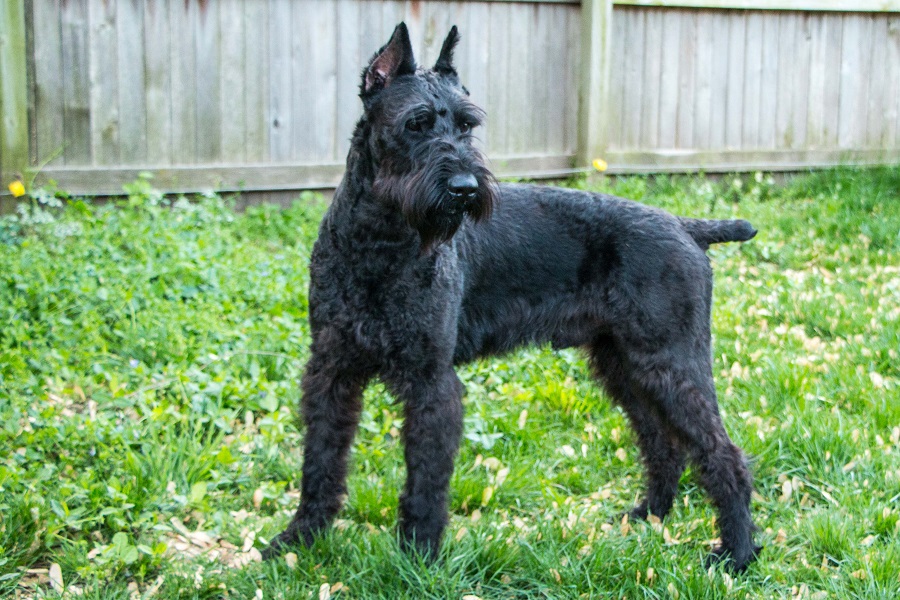
Understanding Your Pudelpointer's Coat: What Every Owner Should Know
The Pudelpointer's coat tells the story of its creation. Baron von Zedlitz und Neukirch crossed the Poodle (intelligent, water-loving, dense-coated) with the English Pointer (athletic, bird-savvy, field-tested) starting in 1881. The goal was simple: the ultimate hunting dog with a coat that could handle anything. Over 140 years later, the Pudelpointer's coat remains the physical proof that the experiment succeeded.
The Genetic Heritage: Why Coats Vary
Unlike most established breeds where coat type is genetically fixed, the Pudelpointer still shows variation in coat texture due to its founding genetics. This is not a flaw -- it is the reality of a breed that combines two very different coat types.
The Coat Spectrum
Wire-dense (most desirable):
- Harsh, close-lying wire covering the entire body
- Strong beard and eyebrows
- Dense undercoat
- Maximum weather and field protection
- Approximately 60% of well-bred Pudelpointers
- Firm texture, slightly less harsh than wire-dense
- Moderate furnishings
- Adequate undercoat
- Good field protection
- Approximately 25% of Pudelpointers
- Tending toward wavy rather than truly wiry
- Minimal furnishings
- Lighter undercoat
- Reduced field protection
- Approximately 10% of Pudelpointers
- Short, flat coat resembling a Pointer
- No furnishings
- Minimal undercoat
- Limited protection
- Approximately 5% -- breeders actively select against this
How Coat Type Affects Grooming
| Coat Type | Hand-Strip Frequency | Difficulty | Annual Cost Range | |-----------|---------------------|------------|-------------------| | Wire-dense | Every 8-10 weeks | Moderate | $700-$1,000 | | Wire-moderate | Every 10-12 weeks | Easy-Moderate | $550-$800 | | Wire-light | Every 12-16 weeks | Easy | $400-$600 | | Smooth | Minimal stripping needed | N/A | $300-$450 |
Coat Structure in Detail
The Wire Outer Layer
The Pudelpointer's ideal wire coat shares characteristics with both parent breeds:
From the Poodle: Density. The Pudelpointer's coat is denser (more hairs per square inch) than most wire-only breeds. This density contributes to water resistance and physical protection.
From the Pointer: Lie. The coat lies flat and close rather than standing away from the body. This creates less drag in thick brush and a more streamlined appearance.
Unique to the Pudelpointer: The combination creates a coat that is wire in texture but has the density of a curly breed -- protective like a GWP but packed tighter.
Length: 1-2 inches on the body. Slightly longer on the underbelly and thighs.
Color: Brown/liver (most common), black, or leaf-brown (dead leaf color). Solid colors are preferred.
The Undercoat
The Pudelpointer's undercoat is one of its key functional features:
- Density: Moderate to dense (Poodle influence makes it denser than many wire breeds)
- Seasonal behavior: Grows thick in fall, sheds in spring
- Water function: Combined with the outer coat, creates effective cold-water insulation
- Maintenance need: Requires seasonal removal of dead undercoat to maintain function
Facial Furnishings
Beard: Moderate length, wiry texture. Less dramatic than a Griffon or Spinone but clearly present. Gives the Pudelpointer a distinguished, mature expression.
Eyebrows: Moderately prominent. Provide eye protection in brush without the extreme bushiness of a GWP.
Function: Both serve as face protection during bird retrieving and thick-cover work.
The Water Resistance System
The Pudelpointer was specifically developed as a water retriever, and the coat reflects this:
Layer 1 (outer wire): Sheds surface water rapidly. The wire texture creates surface tension that causes water to bead rather than penetrate.
Layer 2 (undercoat): If water penetrates the outer layer, the dense undercoat creates a secondary barrier. Air trapped within the undercoat provides insulation even when wet.
Natural oils: Like all water-working breeds, Pudelpointers produce slightly more skin oil than dry-land breeds. This oil coats both layers, enhancing water repellency.
The system in action: A Pudelpointer entering cold water stays warm because:
This system only works when both layers are properly maintained. Dead outer coat absorbs rather than repels. Packed dead undercoat eliminates the air-trapping function.
Shedding Profile
- Year-round: Light. Wire coat produces minimal loose hair.
- Spring: Moderate undercoat shed for 2-4 weeks. Noticeably more hair than normal but not extreme.
- Fall: Very light -- new undercoat grows in, minimal shedding.
- After swimming: Dogs may shed slightly more in the days following water work as the coat resets.
- Overall rating: 3-4 out of 10. Low-shedding for a sporting breed.
Coat Development in Puppies
Birth to 4 months: Soft puppy coat. No wire texture visible. Color is established but texture is universally soft.
4-8 months: First hints of wire texture may appear. Coat begins to thicken.
8-14 months: Wire texture develops clearly. Facial furnishings emerge. Undercoat becomes visible. This is when you can assess where on the coat spectrum your dog falls.
14-24 months: Full adult coat established. First professional hand-stripping appropriate. Coat cycling becomes predictable.
Important note: Puppies from wire-dense parents may not show full wire until 12-14 months. Do not panic if your 8-month-old still looks smooth. Judge coat type at 18+ months.
Seasonal Care Calendar
Spring (March-May):
- Heavy undercoat removal needed
- Professional de-shedding recommended
- Good time for thorough hand-stripping as winter coat loosens
- Light maintenance period
- Coat is at its thinnest -- less work needed
- Monitor for sun bleaching if dog spends heavy time outdoors
- New undercoat growing in
- Pre-season stripping to prepare for hunting
- Coat thickens -- add extra brushing
- Full coat density
- Focus on maintaining rather than reducing
- Monitor for ice/snow accumulation between pads
Home Maintenance
Weekly (10 minutes):
- Bristle brush through body coat (with growth direction)
- Hand-check for tangles or debris
- Ear inspection
- Beard wipe if dirty
- Full body hand-check for embedded objects (foxtails, burrs, thorns)
- Ear cleaning if dog was in water
- Paw pad inspection
- Remove any visible debris from coat
- More thorough dead coat check (pull lightly on body hairs -- dead ones release easily)
- Nail assessment
- Overall coat condition evaluation
Reading Your Pudelpointer's Coat
Healthy coat indicators:
- Firm, springy texture
- Rich, uniform color
- Lies flat against body
- Sheds water when wet
- Clean, non-odorous skin underneath
- Softening without explanation (possible thyroid or nutrition issue)
- Patchy areas (allergies, hormonal, or over-stripping)
- Strong odor (skin infection, yeast, or overdue for grooming)
- Excessive oiliness (seborrhea or hormonal)
- Color fading (sun damage, nutrition, or coat needs stripping)
The Heritage in Every Hair
Your Pudelpointer's coat is living history -- the physical result of Baron von Zedlitz's 30-year breeding program to combine Poodle intelligence and water ability with Pointer field sense. Every properly maintained wire hair represents that vision made real. When you invest in proper coat care, you maintain not just your dog's comfort but a century-plus legacy of purposeful breeding.
---
Ready to streamline your grooming workflow? PawOps Board Manager helps salons track every Pudelpointer from check-in to pickup with real-time visibility. Start your free 30-day trial →
Related Reading: