Why Your Pudelpointer Needs Professional Grooming
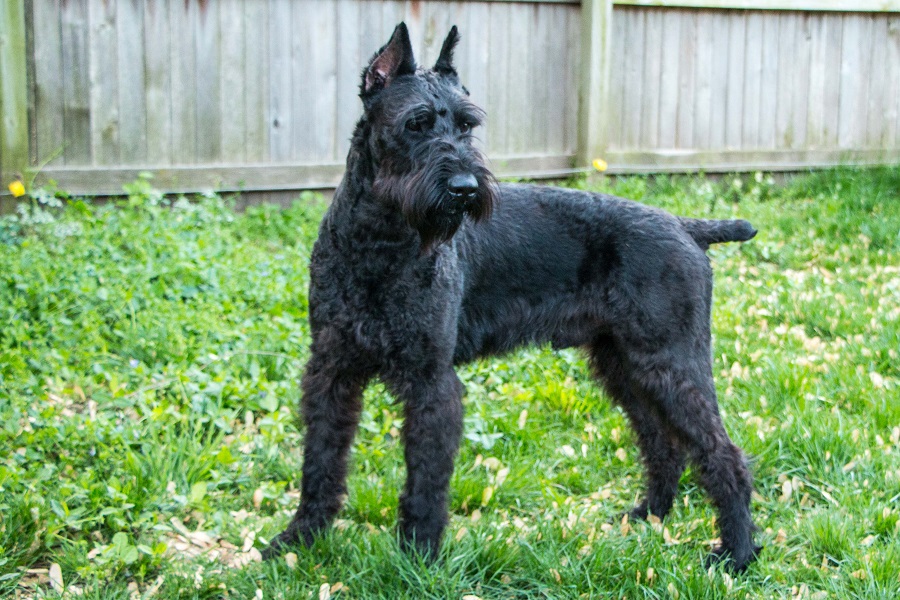
Why Your Pudelpointer Needs Professional Grooming
The Pudelpointer is the result of a deliberate cross between the Poodle and the Pointer, developed in Germany in the 1880s with a singular goal: create the ultimate versatile hunting dog. That wire coat -- inherited from the Poodle side and refined through selective breeding -- is central to what makes the Pudelpointer exceptional in the field. Maintaining it properly requires professional expertise.
Many Pudelpointer owners are active hunters who view their dog as a working partner, not a show piece. That practical mindset is correct -- but it should extend to coat maintenance. A working coat that is neglected stops working.
The Pudelpointer Coat: Versatility Made Physical
The Pudelpointer's coat varies more than most wire breeds due to its dual heritage:
Ideal coat: Dense, harsh, wiry, and close-lying. Approximately 1-2 inches long. Water-resistant with a visible but not excessive undercoat. The texture should be firm and protective -- functional armor for a dog that works every terrain from thick brush to cold water.
Coat variation: Because of the Poodle/Pointer genetic mix, Pudelpointer coats range along a spectrum:
- Wire-dense (ideal): Harsh, tight, highly weather-resistant
- Wire-moderate: Slightly less harsh, still functional
- Wire-light: Tends toward wavy rather than truly wiry
- Smooth (undesirable): Occasionally appears in litters, lacks protection
Undercoat: Present and functional. Denser in winter for insulation, lighter in summer. The Pudelpointer's undercoat is a key part of its water-resistance system.
Facial furnishings: Moderate beard and eyebrows. Less dramatic than a Griffon, more present than a smooth-faced breed.
Why Professional Care Is Essential
The Wire Coat Growth Cycle
Like all wire coats, Pudelpointer guard hairs grow to a terminal length, die, and remain in the follicle. These dead hairs must be removed to:
- Allow new wire hairs to grow properly
- Maintain the harsh, protective texture
- Prevent dead coat from packing against the skin
- Keep the coat's water-shedding properties active
Field Dogs Need Functional Coats
The Pudelpointer was bred to hunt. Their coat is not decorative -- it is personal protective equipment. A properly maintained wire coat:
- Deflects thorns and briars that would lacerate skin
- Sheds water rapidly after retrieves
- Resists embedding of foxtails and grass awns
- Insulates during cold-weather hunting
- Self-cleans to some degree (dried mud falls off wire texture)
Undercoat Management for Water Dogs
Pudelpointers that retrieve from water face a specific challenge: the dense undercoat can trap moisture if not properly maintained. Dead undercoat that compresses against the skin holds water rather than repelling it. Professional de-shedding removes this dead layer, restoring the coat's proper insulation-and-repelling function.
Professional Assessment Catches Problems
The Pudelpointer's dense coat conceals the skin completely. Regular professional grooming sessions provide systematic, hands-on evaluation of the entire skin surface. Groomers routinely catch:
- Foxtail migration (grass awns that burrow into the skin)
- Early hot spots before they spread
- Ticks that embed under the dense coat
- Lumps or growths that develop unnoticed
- Skin irritation from trapped debris
What Professional Pudelpointer Grooming Includes
Session length: 75-100 minutes for a standard Pudelpointer in maintained condition.
Grooming Schedule
Hunting season (active work):
- Full professional groom every 6-8 weeks
- Weekly home checks after each hunt
- Post-water ear care after every swim
- Full professional groom every 8-12 weeks
- Weekly home brush and inspection
- Seasonal undercoat removal in spring/fall
Finding a Pudelpointer Groomer
Pudelpointers remain relatively uncommon in the US (not yet AKC-recognized, primarily registered with the North American Pudelpointer Alliance). Most groomers have never encountered one.
Your best resources:
- NAPPA (North American Pudelpointer Alliance) regional contacts
- Groomers who work with GWPs, Griffons, or other wire sporting breeds
- Terrier hand-stripping specialists (technique transfers directly)
- Fellow Pudelpointer owners in your hunting community
A Working Coat Deserves Working Maintenance
You chose the Pudelpointer because it can do everything -- point, flush, retrieve on land and water, track wounded game. That versatility depends partly on a coat that protects them through all of it. Professional grooming is not vanity for a Pudelpointer. It is maintaining your hunting partner's field equipment at peak performance.
---
Ready to streamline your grooming workflow? PawOps Board Manager helps salons track every Pudelpointer from check-in to pickup with real-time visibility. Start your free 30-day trial →
Related Reading: