Understanding Your Rat Terrier's Coat: What Every Owner Should Know
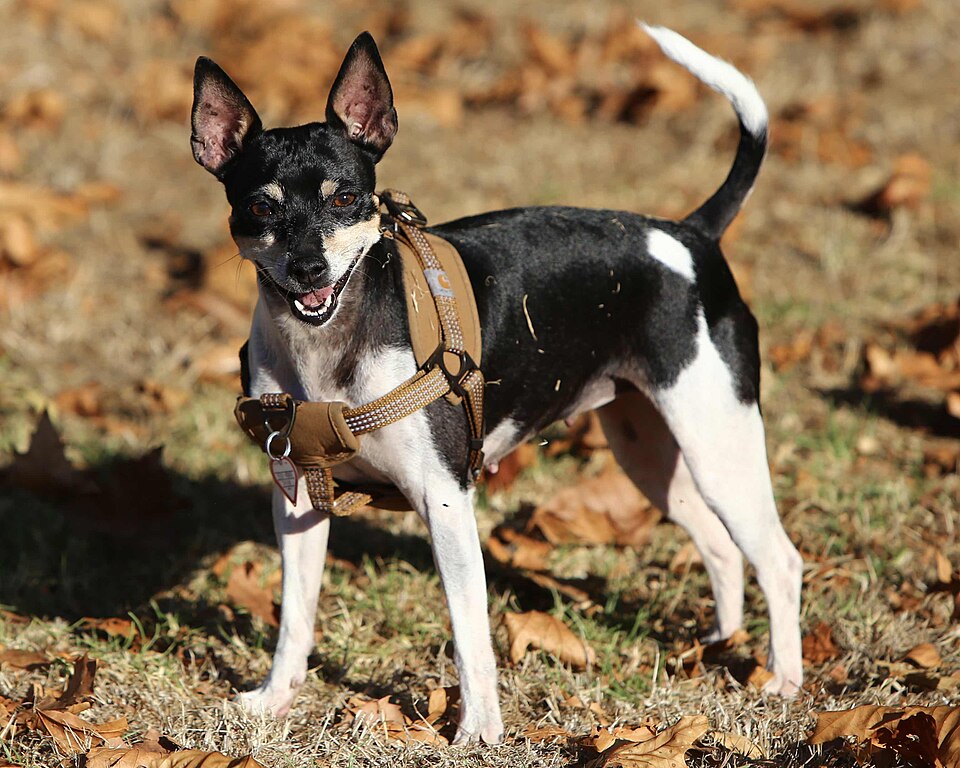
Understanding Your Rat Terrier's Coat: What Every Owner Should Know
The Rat Terrier's coat looks deceptively simple -- short, smooth, and easy. And compared to wire-coated or long-coated terriers, it genuinely is less complex to maintain. But "less complex" does not mean "zero effort." Understanding what your Rat Terrier's coat actually does, how it sheds, and what it needs helps you keep the dog comfortable and your home relatively hair-free.
The Basics: What You Are Working With
Rat Terriers have a smooth, short, dense coat that lies flat against the body. Individual hairs are short -- typically half an inch to an inch in length -- and feel smooth and slightly firm to the touch. The coat should appear glossy and tight, not fluffy or standing away from the body.
Single Coat vs. Double Coat
Here is where Rat Terrier coats get interesting: not all Rat Terriers have the same coat structure. Some have a true single coat -- just one layer of short guard hairs with minimal undercoat. Others, particularly those in cooler climates or with certain genetic lines, develop a noticeable double coat with a soft, denser undercoat beneath the guard hairs.
The double-coated Rat Terriers shed more. Significantly more. If your Rat Terrier seems to shed more than you expected from a short-haired dog, they likely have a double coat. You can feel the difference -- run your fingers backward through the coat. If you feel a softer, denser layer beneath the smooth outer hairs, your dog has a double coat.
The Shedding Reality
Let us be direct about shedding because it is the number one surprise for new Rat Terrier owners: these dogs shed more than their short coat suggests.
Why Short-Haired Dogs Shed So Much
Many people assume short coat = less shedding. The opposite is often true. Short-haired breeds tend to have faster hair growth cycles. Each individual hair grows to its short programmed length, dies, falls out, and is replaced by a new hair -- quickly and continuously. The result is a steady stream of short, sharp hairs that embed themselves in fabric, furniture, and carpet.
Long-haired breeds often shed less frequently because each hair stays in the growth phase longer before dying and being replaced. The shedding is more noticeable when it happens (big clumps) but overall can be less in total volume.
Rat Terrier Shedding Patterns
- Year-round moderate shedding -- there is never a zero-shedding period
- Heavy shedding in spring -- the winter coat releases as temperatures warm
- Heavy shedding in fall -- the summer coat turns over as the winter coat grows in
- Stress shedding -- Rat Terriers may shed more during stressful events (vet visits, moves, changes)
Colors and Patterns
Rat Terriers come in an enormous variety of color combinations. The breed standard accepts virtually any color except solid merle or albino. Common patterns include:
- White with patches of black, tan, chocolate, blue, lemon, red, fawn, or any combination
- Tricolor -- white with two other colors (black/tan/white is classic)
- Bicolor -- white with one other color
- Solid colors with or without white markings
Coat and Skin Health Indicators
The short coat makes the Rat Terrier's skin relatively easy to observe -- if you actually look. Here is what to watch for:
Healthy Coat Signs
- Glossy sheen (not dull or dry-looking)
- Smooth, flat-lying hair
- Even coverage with no thin patches
- Supple, pinkish skin beneath
Warning Signs
- Dull, dry appearance -- may indicate nutritional deficiency or dehydration
- Flaking or dandruff -- could be dry skin, allergies, or parasites
- Excessive shedding beyond normal -- thyroid issues, allergies, or stress
- Red, irritated patches -- contact dermatitis, hot spots, or allergic reaction
- Hair loss in patterns -- hormonal imbalance, ringworm, or mange
- Black spots on the skin -- normal if flat and present since puppyhood; concerning if raised or new
A Coat Fact Most Rat Terrier Owners Miss
Here is something that changes how you think about your Rat Terrier's coat: the short, dense hair actually provides UV protection for the skin. Rat Terriers with thin coats or significant white areas are susceptible to sunburn on exposed skin -- particularly the belly, nose, and ear tips.
Dogs with predominantly white coats and pink skin underneath have the highest risk. The American Animal Hospital Association recommends sun protection for short-coated breeds with significant white and pink skin areas, particularly in sunny climates. If your Rat Terrier loves belly-up sunbathing, monitor for redness. Dog-safe sunscreen on pink-skinned areas is not overcautious -- it is skin cancer prevention.
Home Care Essentials
- 2-3 times per week: Brush with a rubber curry mitt or hound glove. This removes loose coat, distributes skin oils, and stimulates circulation.
- Weekly: Check skin for any changes, especially during allergy season.
- Every 2-4 weeks: Bath with a gentle or deshedding shampoo depending on shedding intensity.
- Monthly: Check nail length. Clean ears.
- Seasonally: Increase brushing frequency during spring and fall shedding peaks.
Tools for Rat Terrier Coat Care
- Rubber curry mitt or hound glove -- the best daily tool for smooth coats
- Slicker brush (soft) -- for stubborn loose coat during shedding peaks
- Deshedding shampoo -- for bath time shedding control
- Microfiber cloth -- for quick after-walk wipe-downs on white areas
- Shedding blade or Furminator -- use gently for heavy shedding periods only
Nutrition and Coat Health
Rat Terrier coat quality responds noticeably to nutrition. Dogs on high-quality, protein-rich diets with appropriate omega-3 and omega-6 fatty acids typically show:
- Glossier coat
- Less excessive shedding
- Healthier, less reactive skin
- Faster healing of minor skin irritations
PawOps helps grooming salons deliver thorough care for smooth-coated breeds using skin condition scoring and shedding assessment -- so your Rat Terrier gets a health-focused groom, not just a quick rinse.