Why Your Redbone Coonhound Needs Professional Grooming (That Gorgeous Red Coat Has Hidden Needs)
Why Your Redbone Coonhound Needs Professional Grooming (That Gorgeous Red Coat Has Hidden Needs)
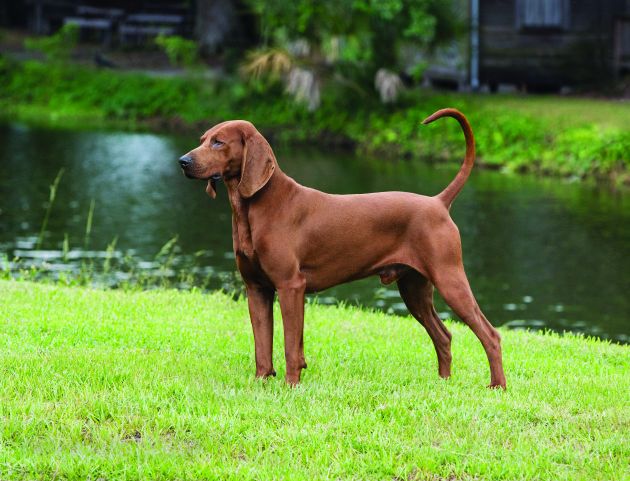
The Redbone Coonhound has one of the most striking coats in the hound group -- that deep, rich mahogany red covering a muscular frame. It looks like it should be zero-maintenance. Smooth, short, self-cleaning. Owners often assume they lucked out with a wash-and-wear dog.
Then the smell starts. The shedding intensifies. The ears develop problems. And suddenly that "low-maintenance" coat is demanding attention you were not prepared to give.
Here is why your Redbone needs a professional groomer in the rotation, not just a garden hose.
The Redbone Coat Is Not As Simple As It Looks
Redbones have a short, smooth coat with a dense undercoat. That undercoat is denser than many owners realize -- you have to push through the outer guard hairs to feel it, but it is substantial. The coat was engineered for a dog that worked in water, brush, and varied terrain across the southern United States. It needed to repel moisture, resist scratches, and provide insulation without being heavy.
That engineering created a coat that:
- Produces significant oil for water resistance
- Sheds consistently year-round with seasonal surges
- Traps heat and odor-causing bacteria in the undercoat
- Requires regular removal of dead undercoat to function correctly
The Hound Odor Problem
Let us address this directly. Redbone Coonhounds smell. Not in a "my dog rolled in something" way -- in a constant, low-level musk that permeates your home, your car, and your clothing.
The odor comes from overactive sebaceous glands combined with a dense coat that traps the oil near the skin. A study published in the Journal of Veterinary Dermatology noted that scent hound breeds show 30-50% higher sebaceous gland density than non-scent breeds. This makes biological sense -- these dogs were bred to produce scent for tracking purposes -- but it makes household living more challenging.
Professional groomers tackle hound odor with:
- Enzymatic or deodorizing shampoos that break down oil at the molecular level rather than just masking smell
- High-velocity drying that blows oil and loose skin cells out of the undercoat where they accumulate
- Skin-specific treatments that reduce bacterial growth without stripping natural oils completely
Ear Health Is Non-Negotiable
Redbone Coonhounds have long, velvety ears that fold down and cover the ear canal entirely. They are beautiful. They are also a perfect incubator for infection.
The combination of warmth, moisture, and reduced airflow creates ideal conditions for yeast and bacterial growth. The Veterinary Partner database reports that hound breeds with pendulous ears experience ear infections at nearly double the rate of prick-eared breeds.
A professional groomer provides:
- Thorough cleaning of the ear canal opening and inner ear flap
- Removal of accumulated wax and debris
- Assessment of ear color, smell, and discharge that indicates early infection
- Proper drying of the ear area after bathing (trapped moisture in ears post-bath is a common infection trigger)
De-Shedding: The Biggest Service
Redbone Coonhounds shed. The smooth coat makes people think otherwise, but those short red hairs end up everywhere. They are particularly visible on light-colored furniture and clothing, and their stiff texture makes them cling tenaciously to fabric.
A professional de-shedding service removes dramatically more dead coat than home brushing:
- Pre-bath de-shedding products loosen dead undercoat hairs
- The bath itself lifts and separates dead coat from living coat
- High-velocity drying blasts out dead hairs from the dense undercoat
- Post-dry brushing with appropriate tools captures remaining loose hair
Skin Fold and Wrinkle Care
Redbones have looser skin than tight-coated breeds, particularly around the neck, face, and jowls. While they are not deeply wrinkled like a Bloodhound, those skin folds still trap moisture, bacteria, and debris.
Professional grooming includes:
- Inspection of all skin folds for redness or irritation
- Thorough cleaning and drying of fold areas
- Identification of hot spots or developing infections hidden under loose skin
What a Full Redbone Groom Includes
A professional grooming appointment for a Redbone Coonhound covers:
- De-shedding bath with hound-appropriate shampoo
- High-velocity blow-out removing loose undercoat
- Thorough ear cleaning and inspection
- Skin fold check across the body
- Nail trimming or grinding
- Anal gland expression (optional but common for hounds)
- Teeth inspection and optional brushing
- Full-body inspection for lumps, ticks, skin changes, or injuries
- Paw pad conditioning for active dogs
- Sanitary trim keeping the rear area clean
How Often Your Redbone Needs Professional Grooming
Most Redbone Coonhounds thrive on a 4 to 6 week grooming schedule:
| Lifestyle | Frequency | Key Focus | |-----------|-----------|----------| | Active hunting or outdoor dog | Every 3-4 weeks | Parasite checks, de-shedding, ear care | | Active companion (hiking, swimming) | Every 4-5 weeks | Odor management, de-shedding, ear care | | Moderate activity household pet | Every 5-6 weeks | Odor management, shedding control | | Lower activity or senior | Every 6-8 weeks | Skin health, ear care, nail maintenance |
Between visits, daily ear checks, weekly brushing with a hound mitt, and beard/jowl wiping after meals keep things manageable.
The DIY Trap
Many Redbone owners try to handle everything at home and end up frustrated. Here is what you miss without professional equipment and training:
- Standard home dryers do not remove undercoat. You need forced-air velocity that is impractical for home use.
- Store-bought shampoos rarely address hound oil effectively. Professional products are formulated differently.
- Untrained hands miss early skin problems that a groomer's practiced eye catches during the bath.
- Home ear cleaning is often too tentative to be effective or too aggressive to be safe.
PawOps helps grooming salons provide accurate service recommendations and pricing for hound breeds based on actual coat condition and de-shedding needs -- ensuring your Redbone gets complete care every visit. Use our free pricing calculator →