Understanding Your Rottle's Coat: What Every Owner Should Know
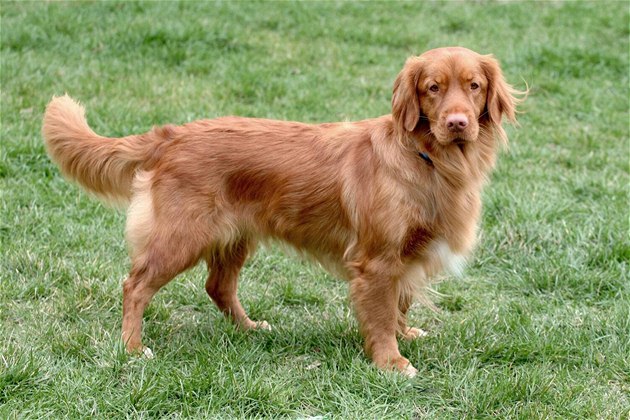
Your Rottle's coat is a genetic collaboration between two very different breeds. The Rottweiler brings a short, dense double coat designed for working in cold weather. The Poodle contributes a continuously growing, curly single coat that barely sheds. When these two gene pools merge, the results are beautifully unpredictable.
The Three Rottle Coat Types
After examining hundreds of Rottles across grooming salons nationwide, three distinct coat patterns emerge:
Type 1: Curly (Poodle-Dominant)
About 25-30% of Rottles inherit the tight curls of their Poodle parent. This coat:
- Grows continuously and needs regular trimming
- Sheds minimally (hair gets trapped in curls instead of falling)
- Mats aggressively if not brushed every 1-2 days
- Requires professional grooming every 4-6 weeks
- Often appears on Rottles from F1b crosses (Rottle x Poodle)
Type 2: Wavy (Hybrid)
The most common type, appearing in roughly 45-50% of Rottles. This coat:
- Has a loose wave pattern rather than tight curls
- Sheds lightly to moderately
- Mats in friction areas (behind ears, armpits, collar zone)
- Requires professional grooming every 6-8 weeks
- May have a light undercoat in some areas
Type 3: Short/Dense (Rottweiler-Dominant)
Approximately 20-25% of Rottles take after the Rottweiler side. This coat:
- Is short and lies flat against the body
- Has a distinct undercoat that sheds seasonally
- Rarely mats but sheds noticeably
- Requires professional grooming every 8-10 weeks
- Needs deshedding treatments during spring and fall blowouts
How to Determine Your Rottle's Coat Type
Most Rottle puppies don't reveal their final coat until 6-10 months of age. The puppy coat transitions into the adult coat during this period. Here's how to track the development:
At 8-12 weeks: All Rottle puppies have soft, relatively short fur. Not a reliable indicator.
At 4-6 months: Waves or curls begin appearing if present. The texture starts changing around the ears and neck first.
At 8-12 months: Adult coat is mostly established. You can confidently identify your Rottle's type.
A professional groomer can often predict the adult coat type earlier by examining the puppy's ear furnishings and muzzle hair texture. According to canine coat genetics research from UC Davis, Poodle mix coat type is primarily determined by three gene variants: the curl gene (KRT71), the furnishings gene (RSPO2), and the length gene (FGF5).
Daily and Weekly Care by Coat Type
Curly Coat Maintenance
- Daily: Line brush with slicker brush, working section by section
- Weekly: Full comb-through with steel comb to check for hidden mats
- Monthly: Professional groom with appropriate trim length
- Tools: Slicker brush, steel comb, detangling spray
Wavy Coat Maintenance
- Every other day: Brush with pin brush or slicker brush
- Weekly: Check friction areas for early mat formation
- Every 6-8 weeks: Professional groom
- Tools: Pin brush, slicker brush, steel comb, deshedding rake for undercoat areas
Short Coat Maintenance
- Twice weekly: Brush with rubber curry brush or bristle brush
- Seasonally: Increase brushing during shedding season (daily)
- Every 8-10 weeks: Professional groom with deshedding focus
- Tools: Rubber curry brush, bristle brush, deshedding tool, undercoat rake
Common Coat Problems in Rottles
Matting: The number one issue for curly and wavy Rottles. Mats form first behind the ears, in the armpits, where the collar sits, and around the rear. They pull on skin, causing pain and potentially hot spots.
Undercoat impaction: For Rottles with any undercoat, dead hair that isn't removed becomes impacted against the skin. This prevents air circulation and can cause overheating and skin irritation.
Uneven growth: Some Rottles grow different coat types on different body areas -- curly on the back, straight on the legs. This is normal and just means those areas need different handling.
Dryness and dullness: Often a sign of overbathing or using human shampoo. Rottles need quality dog shampoo formulated for their specific coat type, no more than every 3-4 weeks.
Seasonal Coat Changes
Even Rottles with Poodle-dominant coats may experience some seasonal variation:
Spring: Any undercoat present will shed more heavily. Increase brushing frequency.
Summer: Coat may thin slightly. Never shave a Rottle down -- their coat provides sun protection and temperature regulation.
Fall: Coat may thicken as winter approaches. New growth can tangle with existing fur.
Winter: Coat at its densest. Focus on preventing matting from winter coats and harnesses.
Working With Your Groomer
Bring photos of your Rottle's coat between grooms to your groomer appointments. This helps them see how fast the coat grows and where problems develop. A groomer who understands your specific Rottle's coat will customize their approach -- and that's worth finding.
Your Rottle's coat is unique to them. Understanding its type, its needs, and its quirks is the foundation of keeping your dog comfortable, healthy, and looking their best year-round.
---
Ready to streamline your grooming workflow? PawOps Board Manager helps salons track every Rottle from check-in to pickup with real-time visibility. Start your free 30-day trial →
Related Reading: