Understanding Your Saluki's Coat: What Every Owner Should Know
Understanding Your Saluki's Coat: What Every Owner Should Know
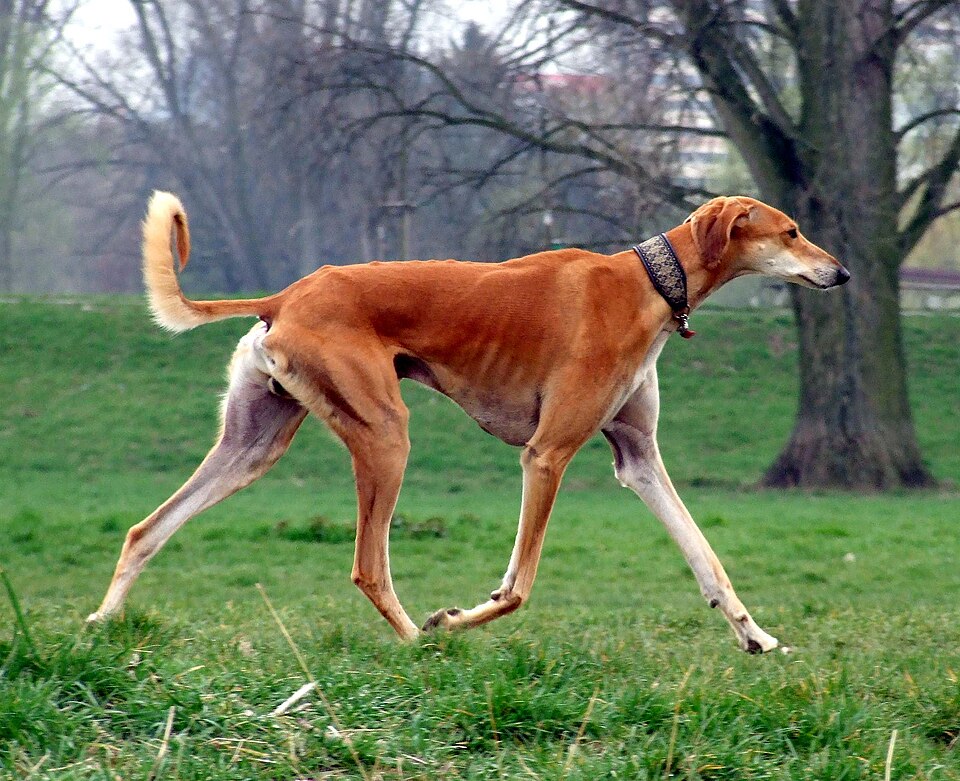
The Saluki coat is elegance in motion. Those flowing featherings streaming behind a running Saluki are one of the most beautiful sights in the dog world. But the saluki coat is also an interesting study in contrasts — smooth and silky in some areas, long and flowing in others, with a skin sensitivity that demands respect.
Here's everything you need to know about caring for it.
Feathered vs. Smooth: The Two Varieties
Salukis come in two recognized coat types, both equally valid within the breed standard:
Feathered: The body coat is smooth, short, and silky. Longer, silky hair (featherings) grows on the ears, backs of the legs, between the toes, and on the tail. The featherings can be 3-6 inches long and have a flowing, almost angelic quality when the dog moves.
Smooth: The entire coat is short, close-lying, and silky with no featherings. Smooth Salukis have the same elegant body structure but with a sleeker, more aerodynamic appearance.
Both varieties have the same silky texture on their body coat. The difference is purely in the presence or absence of featherings. Interestingly, feathered and smooth Salukis can appear in the same litter — it's determined by a single gene.
The Silky Texture
Saluki hair is genuinely silky — not just "soft" but actually silk-like in texture and behavior. This texture has specific characteristics:
- Low oil content: Saluki coats don't have the oily feel of many breeds. This means less "doggy smell" but also less natural protection against dryness.
- Fine diameter: Individual hairs are thinner than most breeds, which contributes to the flowing appearance but also means they break more easily.
- Smooth cuticle: The hair shaft is smooth, which gives it that reflective sheen but also means tangles tighten quickly because there's less friction to slow the tangling process.
- Temperature responsive: The coat lies flatter in warm weather and may slightly lift in cold. Salukis developed in desert climates where nights are cold and days are hot — the coat adapted accordingly.
Color Range
Salukis come in virtually every color and pattern:
- White, cream, fawn, golden, red, grizzle and tan, black and tan, tricolor, and parti-color
- The breed standard is remarkably open about color, stating that all colors and combinations are acceptable
The Skin Underneath
You can't talk about the Saluki coat without talking about the skin. Salukis have notably thin skin — a sighthound trait shared with Greyhounds, Whippets, and Afghan Hounds.
A 2019 study published in Veterinary Dermatology measured skin thickness across 30 dog breeds and found that sighthounds had the thinnest dermis of all breed groups, averaging 30-40% thinner than brachycephalic breeds.
What this means practically:
- Grooming tools must be gentle: Pin brushes, not slicker brushes. Wide-tooth combs, not fine-tooth ones.
- Products must be mild: Look for shampoos labeled for sensitive skin. Avoid anything with strong fragrances or harsh detergents.
- Handling must be careful: Pulling through tangles can tear skin. If a mat is tight, it's safer to cut it out than force it through.
- Sun sensitivity: Thin-skinned, light-colored Salukis can sunburn, especially on the belly and areas with sparse hair. Some owners use pet-safe sunscreen during peak sun exposure.
Feathering Care: The Main Event
For feathered Saluki owners, the featherings are both the glory and the challenge:
Ear featherings: The longest and most dramatic featherings. They frame the face beautifully but collect everything — food, water, wind tangles. Daily smoothing with your hands or a quick pass with a wide-tooth comb prevents matting. These featherings hang from ears that fold close to the head, creating warmth and moisture that can promote ear infections.
Leg featherings: Found on the backs of the front legs and sometimes the thighs. These catch burrs, grass seeds, and outdoor debris during runs. A post-exercise check saves you from tangles later.
Tail feathering: The underside of the tail carries flowing hair that's part of the breed's visual signature. It tangles less than ear featherings but still needs regular combing.
Toe featherings: Fine hair between and around the toes. This needs regular trimming to prevent slipping on smooth surfaces and debris collection.
Shedding Patterns
Salukis are light shedders compared to double-coated breeds. The smooth body coat sheds minimally year-round — you might find occasional hairs on furniture but nothing dramatic.
Feathered Salukis shed their feathering hair somewhat more noticeably, but still far less than breeds with heavy coats. The fine, silky nature of Saluki hair means that what does shed tends to float rather than clump, which some owners find easier to manage and others find more annoying.
Seasonal changes are subtle. There's a slight increase in shedding during spring, but nothing approaching the dramatic coat blows of double-coated breeds. The Saluki evolved in warm climates and doesn't have the heavy winter undercoat that creates dramatic shedding events.
Home Care Routine
For feathered Salukis:
Daily (5 minutes):
- Run your hands through the ear featherings to catch any tangles forming
- Quick visual check of the coat
- Pin brush the featherings gently, working from tips to roots
- Wide-tooth comb through ears, legs, and tail
- Quick body brush with a soft bristle brush or grooming mitt
- Clean ears with a gentle solution
- Check toe featherings for debris
- Assess overall coat condition
Weekly (5-10 minutes):
- Soft bristle brush or grooming mitt over the entire body
- Ear check and cleaning
- That's genuinely about it for the coat
Bathing Guidelines
Salukis don't need frequent baths. The low-oil coat doesn't develop the "doggy smell" that plagues oilier breeds. Every 4-6 weeks is typically sufficient.
Bathing tips specific to Salukis:
- Use lukewarm water — Salukis have minimal body fat and lose heat quickly
- Choose a gentle, moisturizing shampoo
- Apply a light conditioner to featherings only — it prevents tangling during drying
- Towel dry gently, then use a low-heat dryer
- Dry the featherings with the grain of the hair to prevent frizzing
- Never let a Saluki air-dry in cool weather — their lean bodies chill rapidly
When Something Looks Wrong
Coat changes to watch for:
- Feathering loss or thinning: Could indicate hormonal changes, nutritional issues, or allergic reactions
- Dry, flaky skin: Check for environmental allergies, bathing frequency, or dietary issues
- Dull coat: The Saluki coat should have a natural sheen. Dullness may signal nutritional deficiency
- Excessive scratching without parasites: Consider environmental allergies — Salukis' thin skin makes them more reactive to contact allergens
- Bald patches: Veterinary attention needed — could indicate dermatological or systemic issues
---
Ready to streamline your grooming workflow? PawOps Board Manager helps salons track every Saluki from check-in to pickup with real-time visibility. Start your free 30-day trial →
Related Reading: